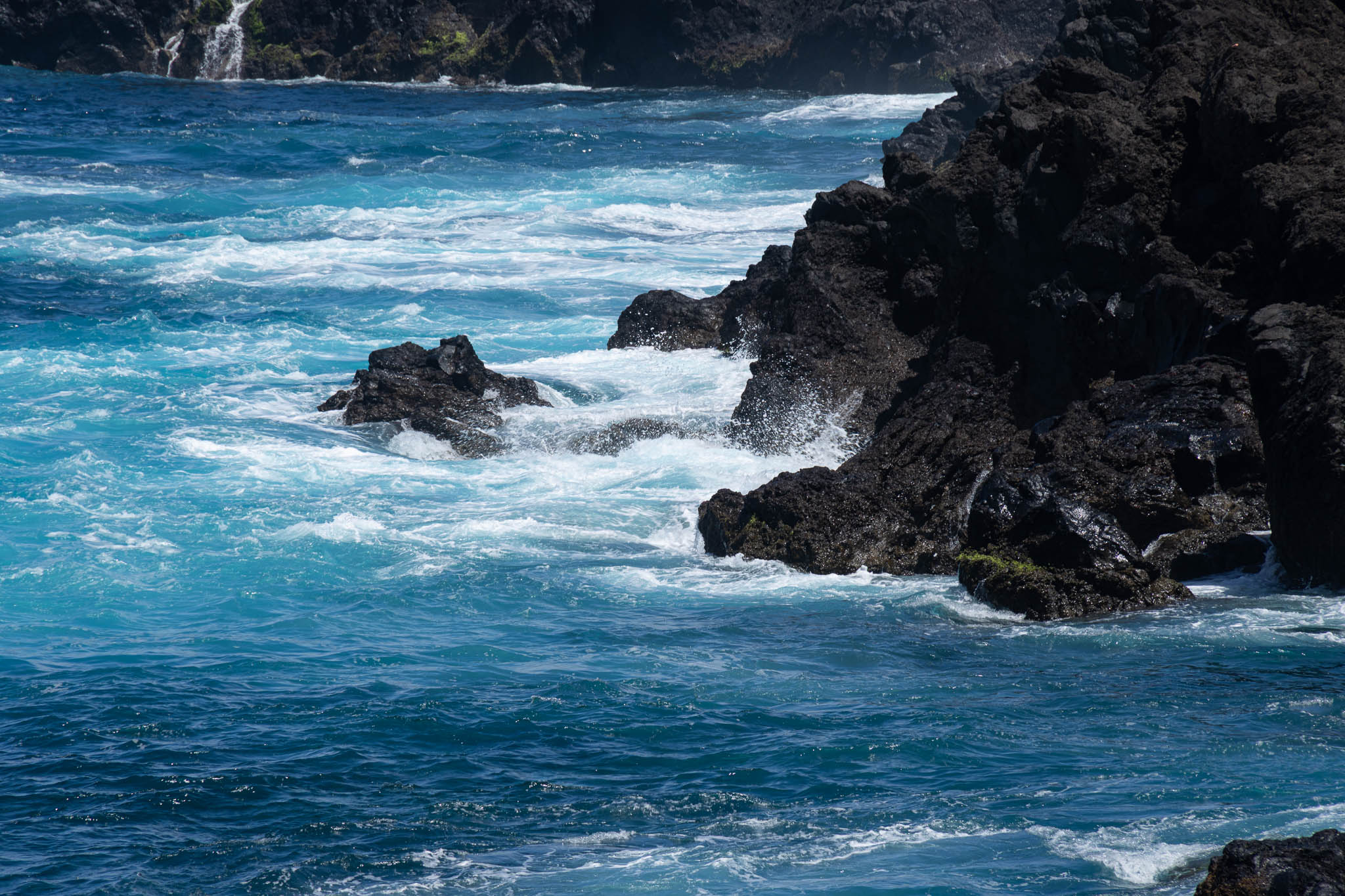
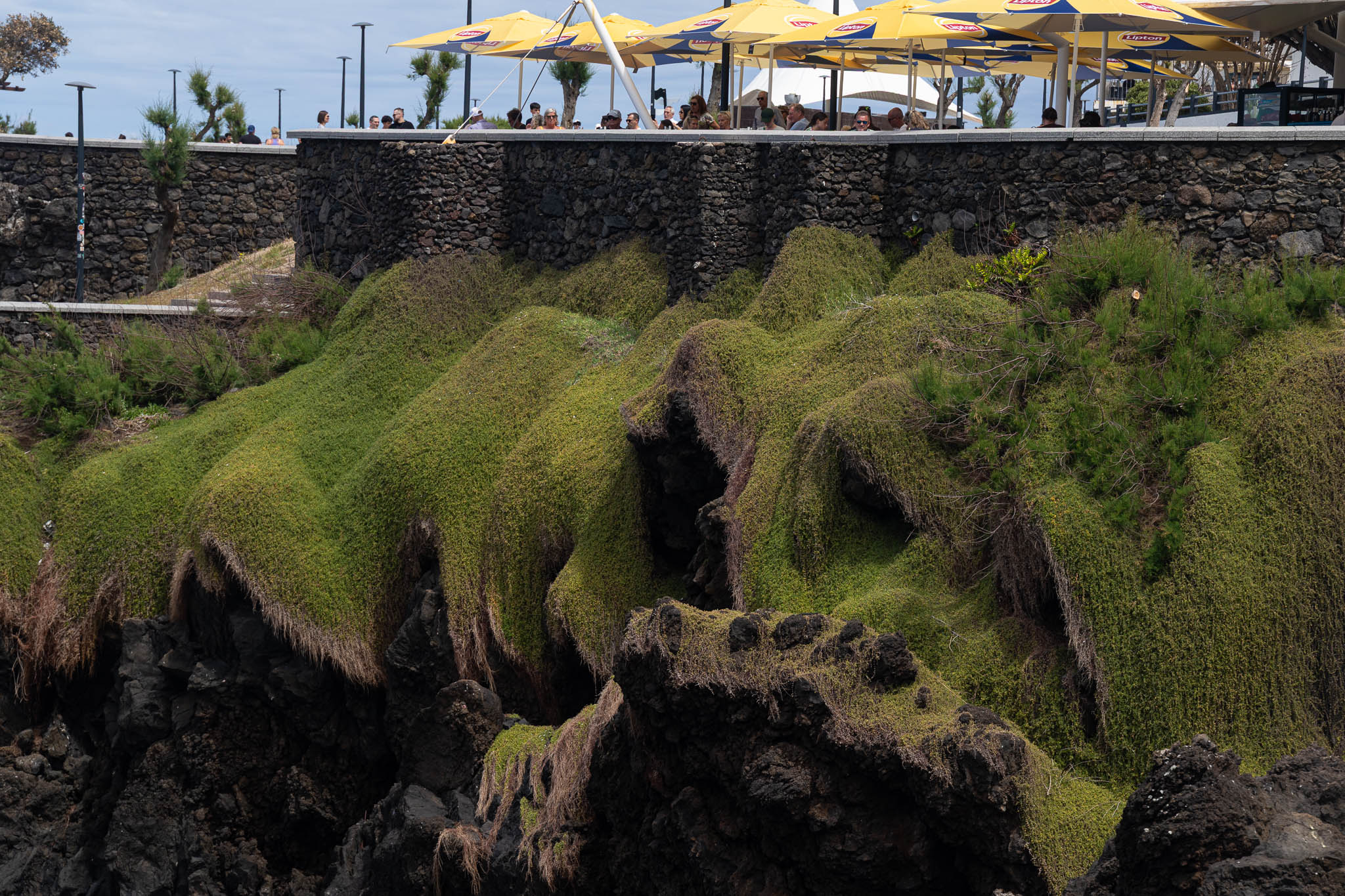
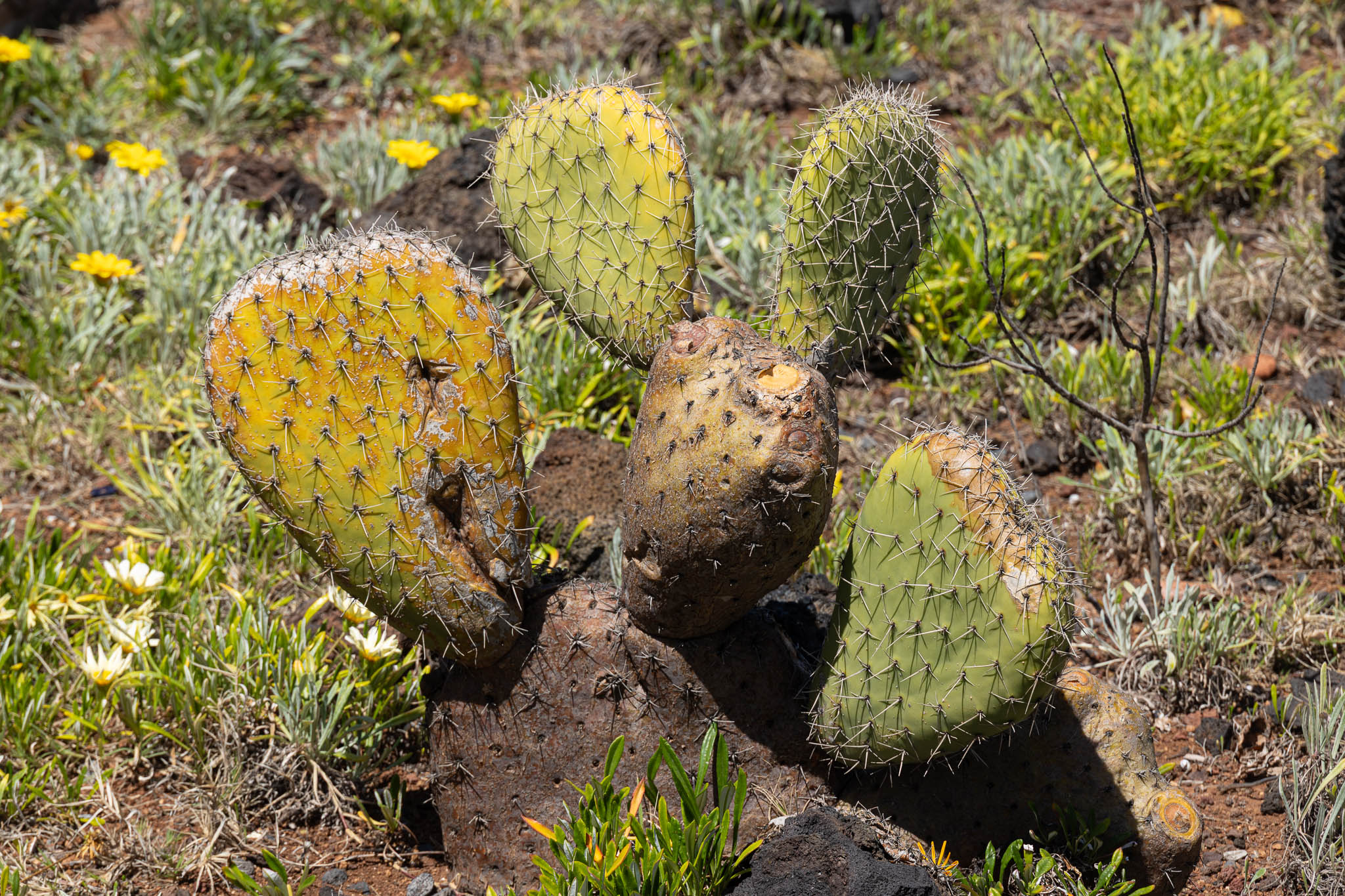
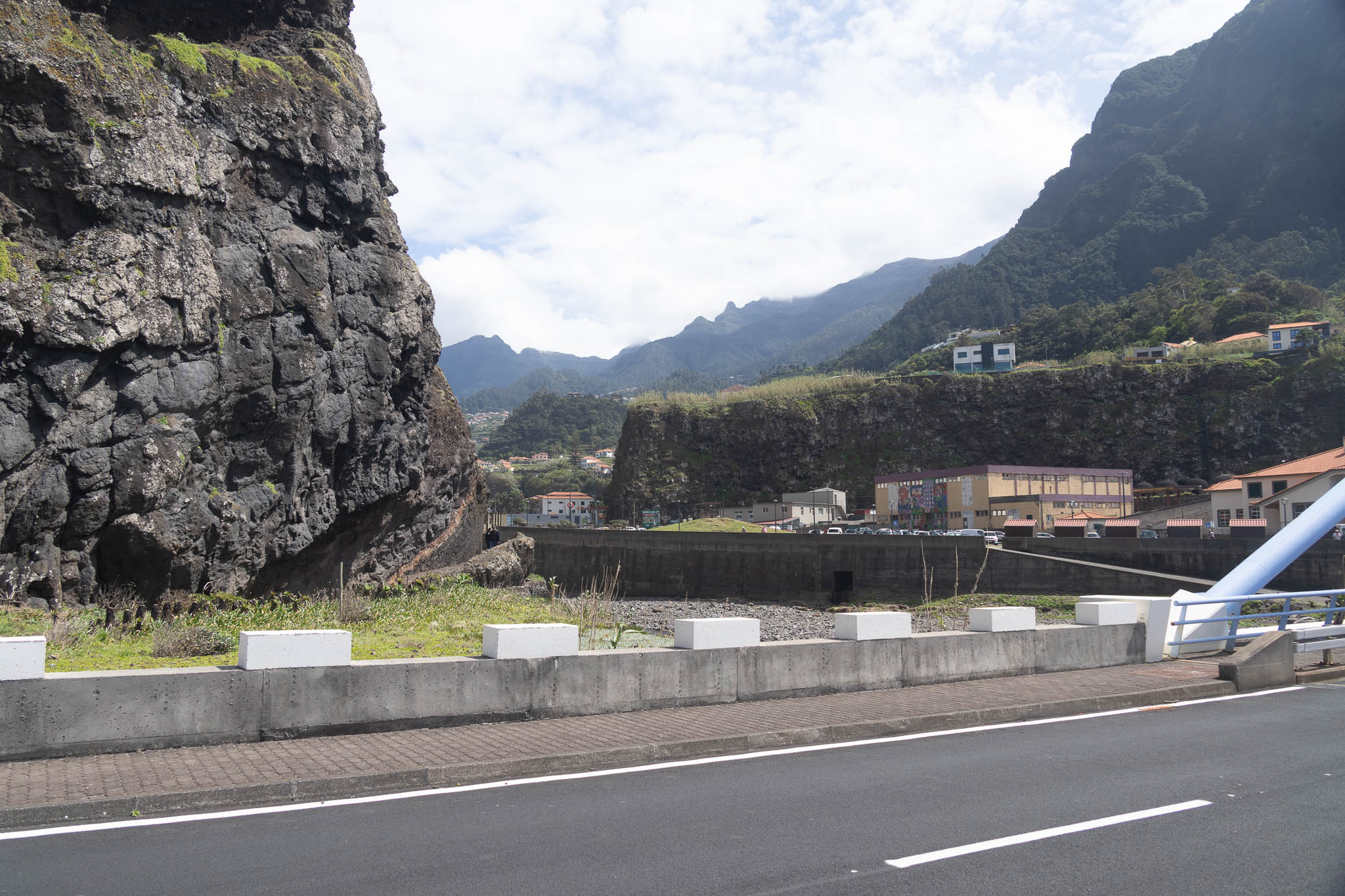
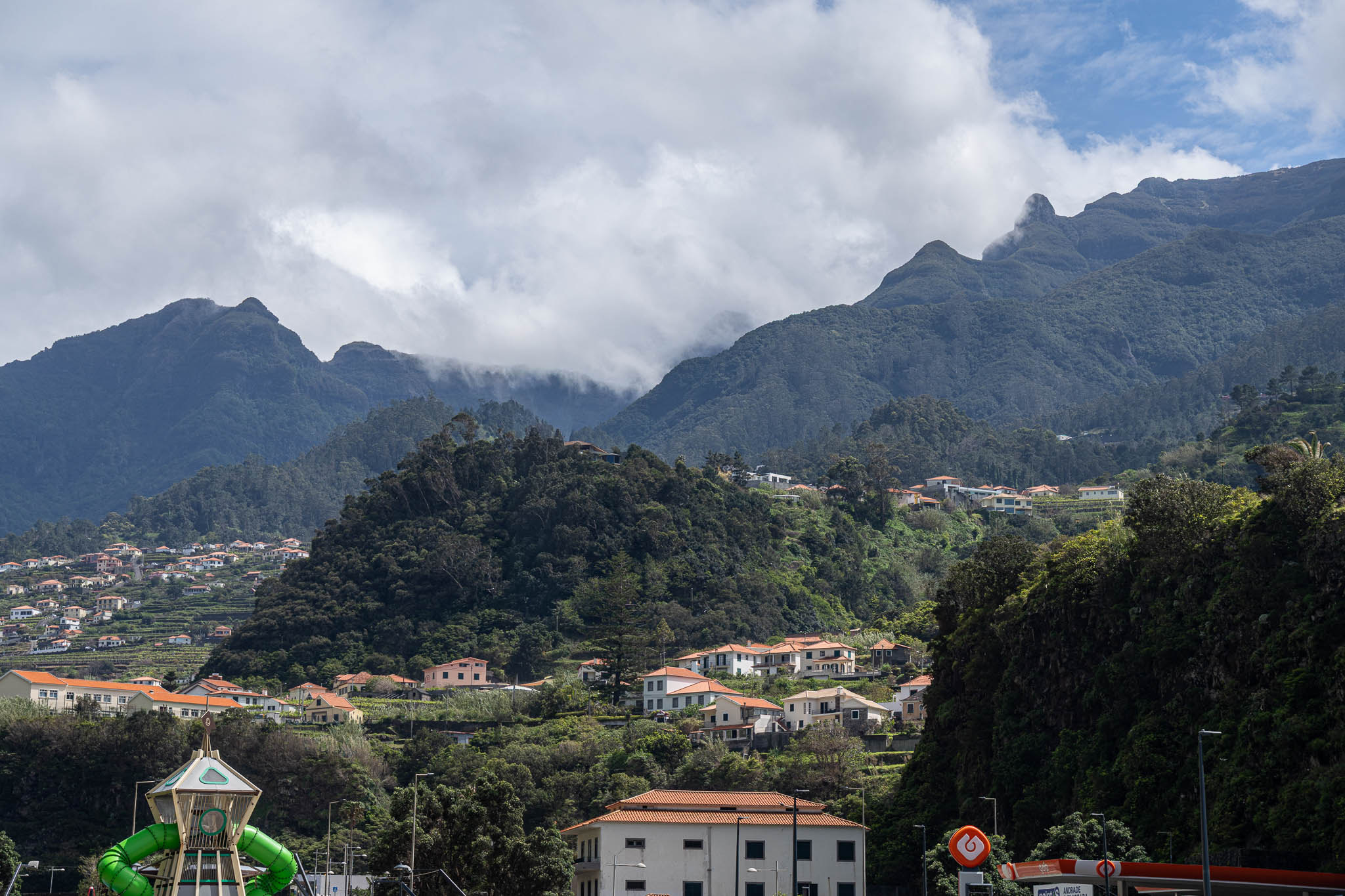
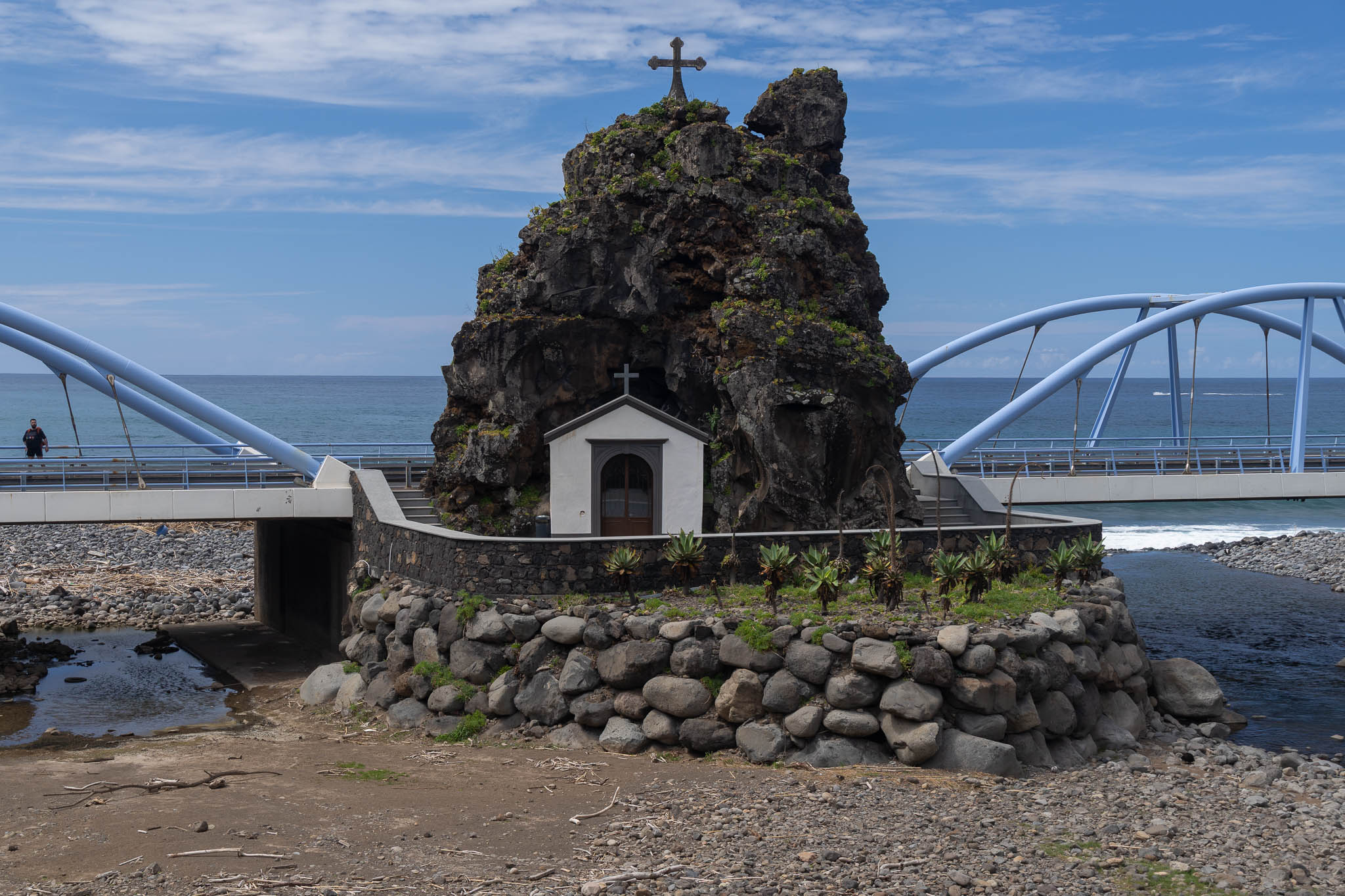
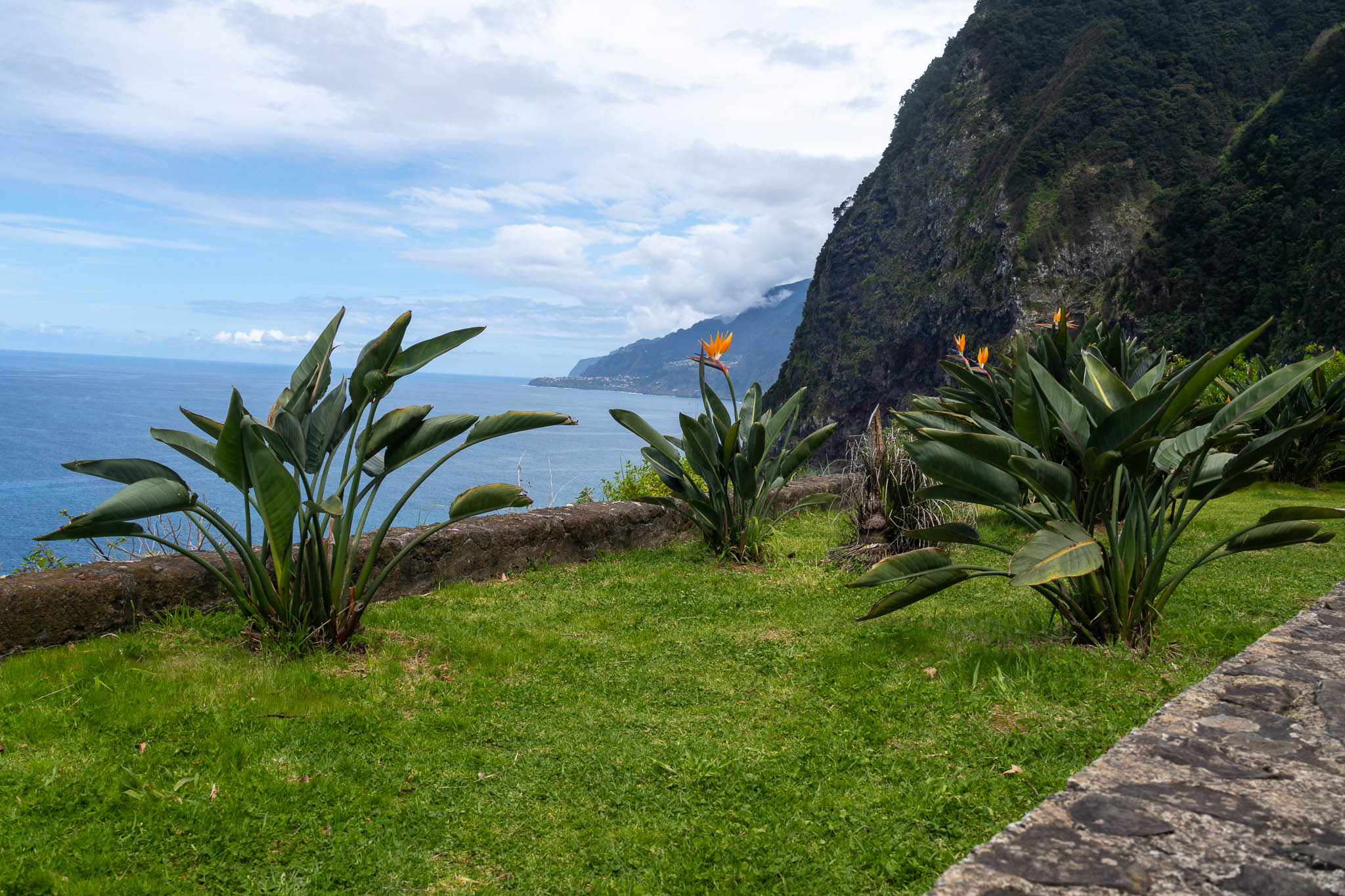
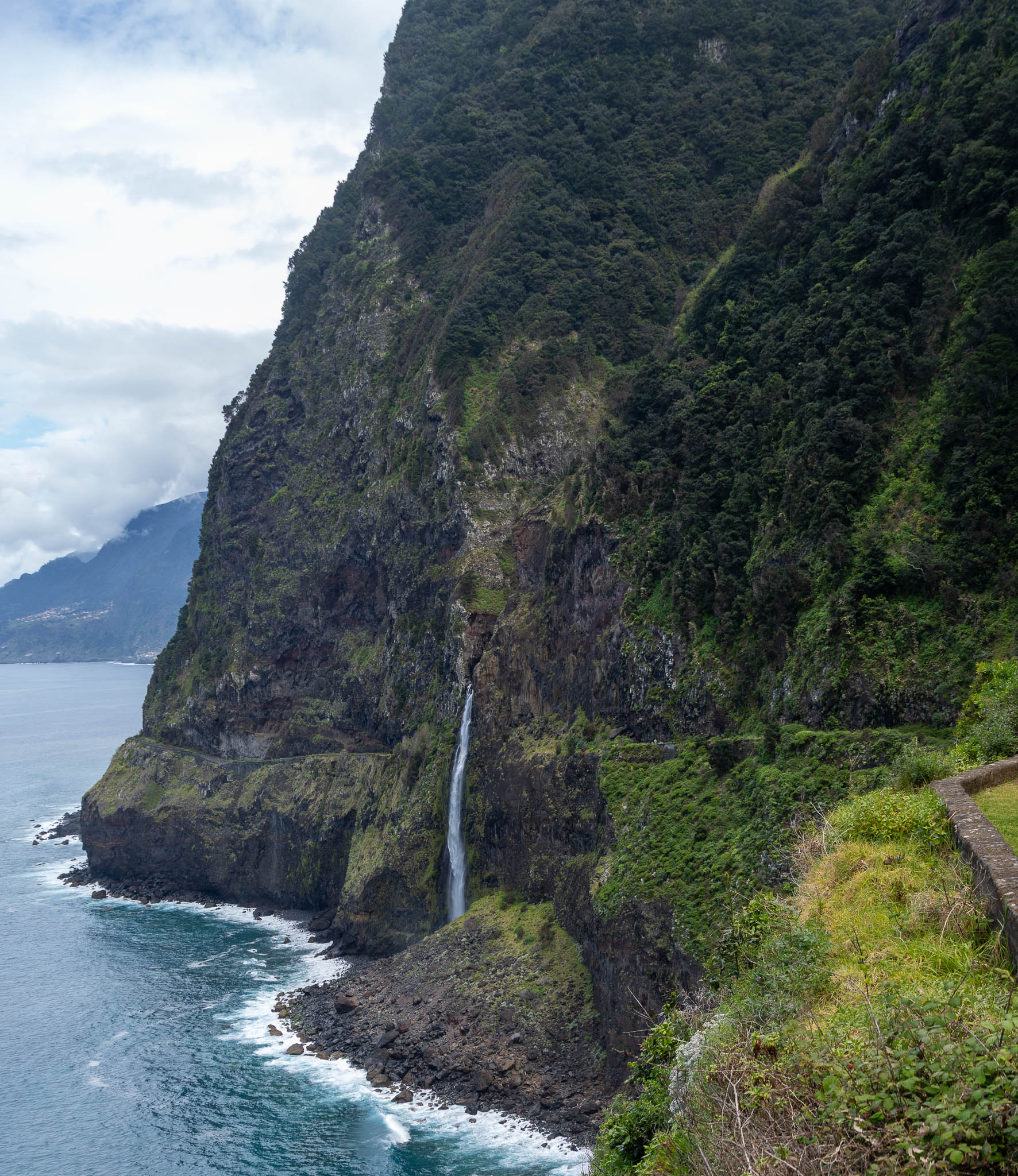
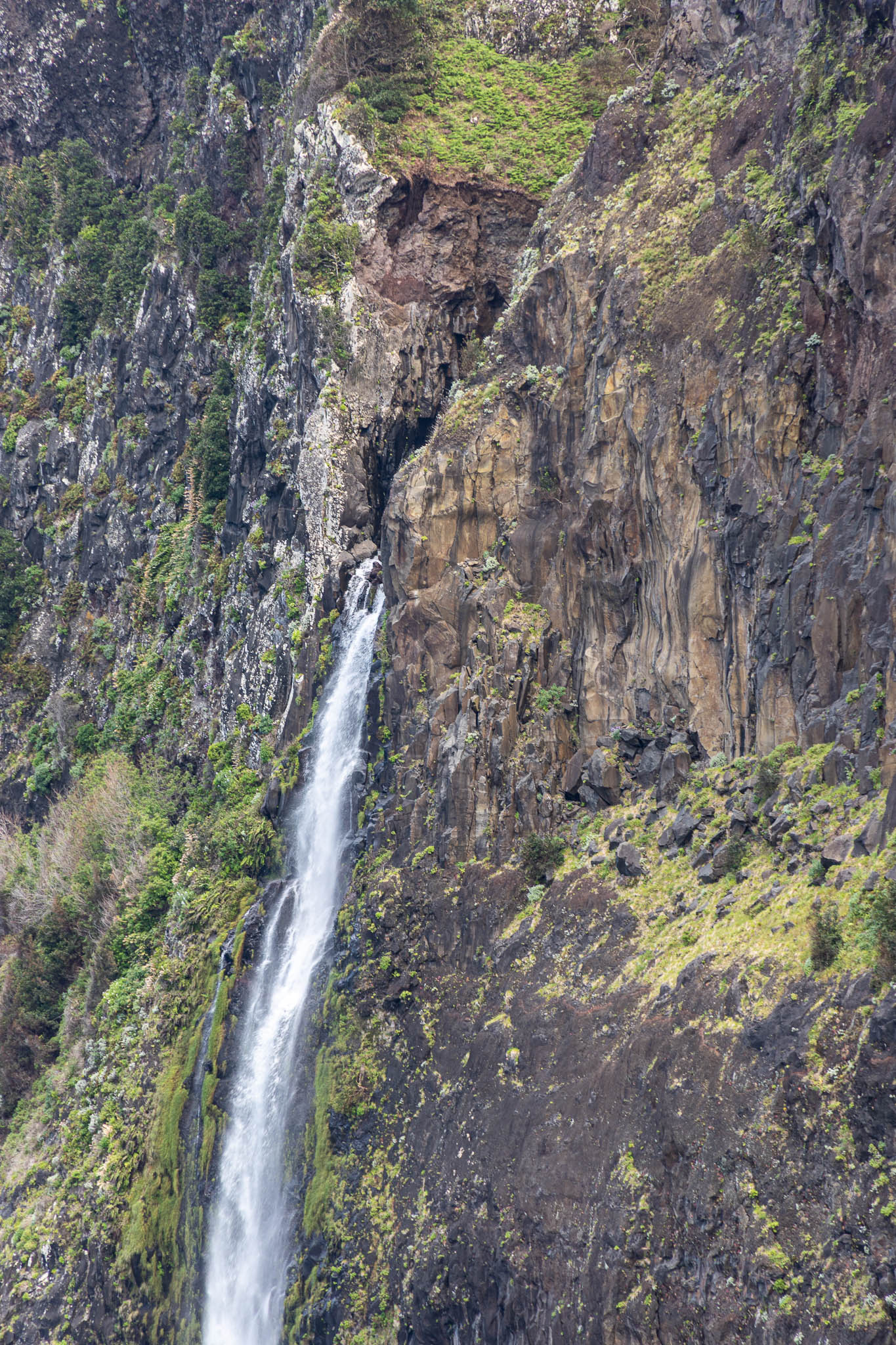
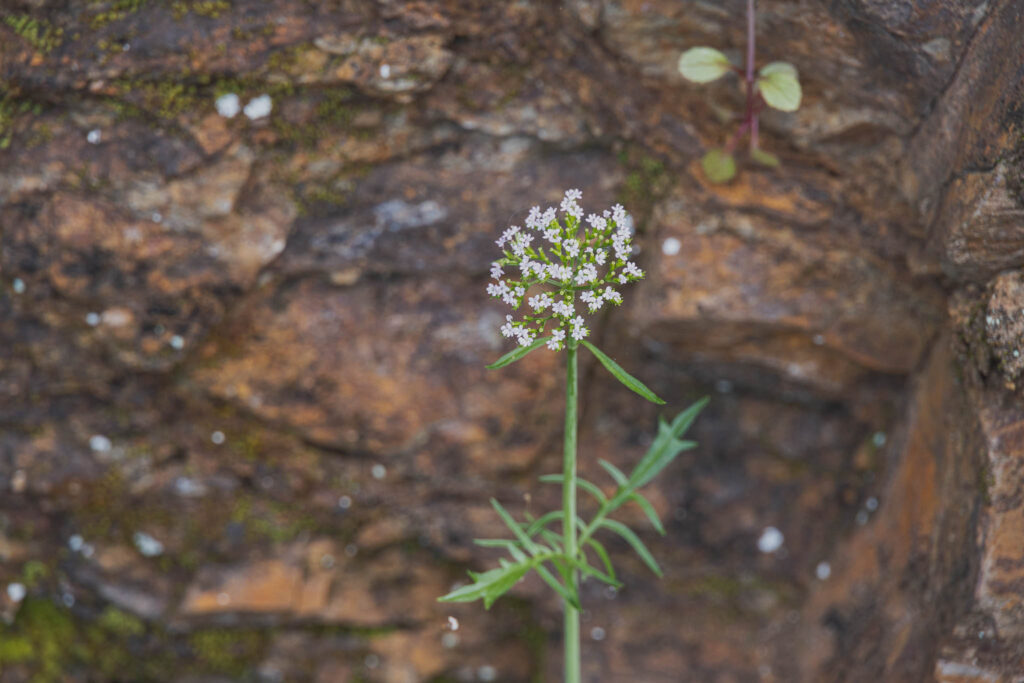
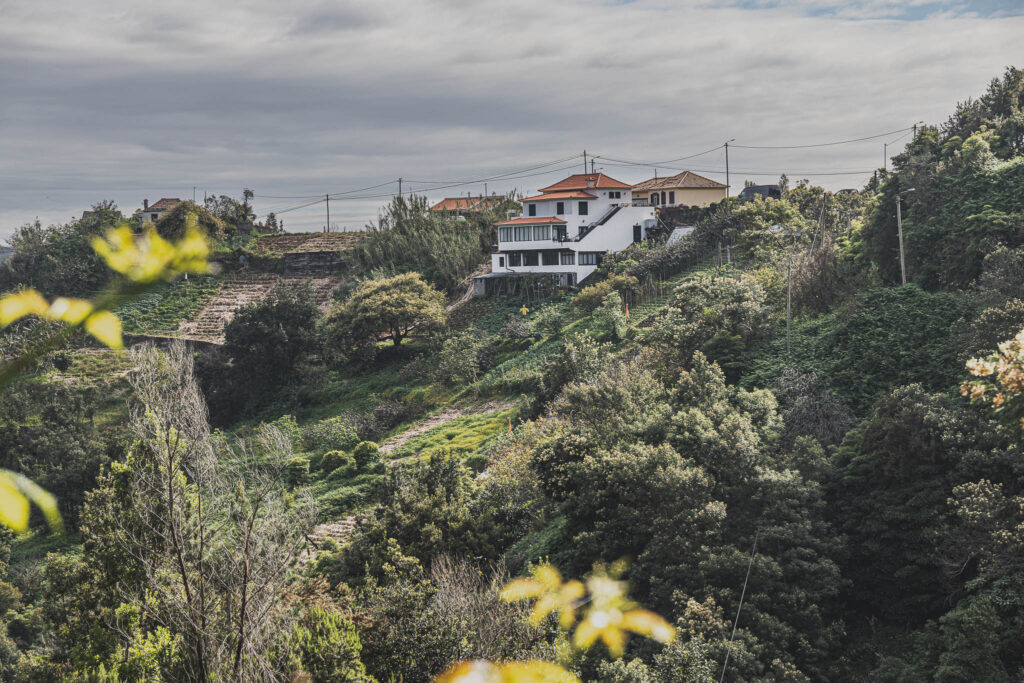
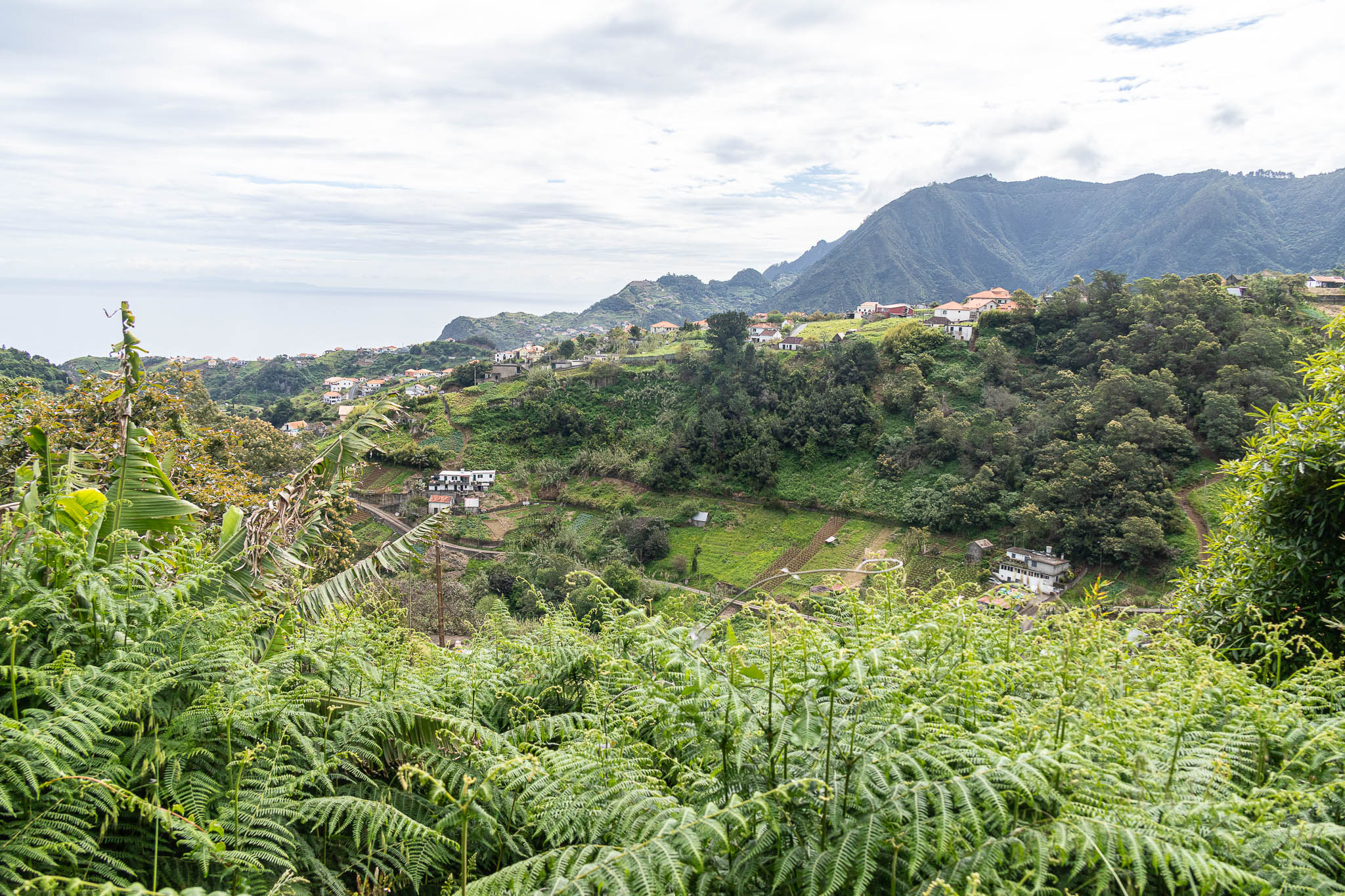
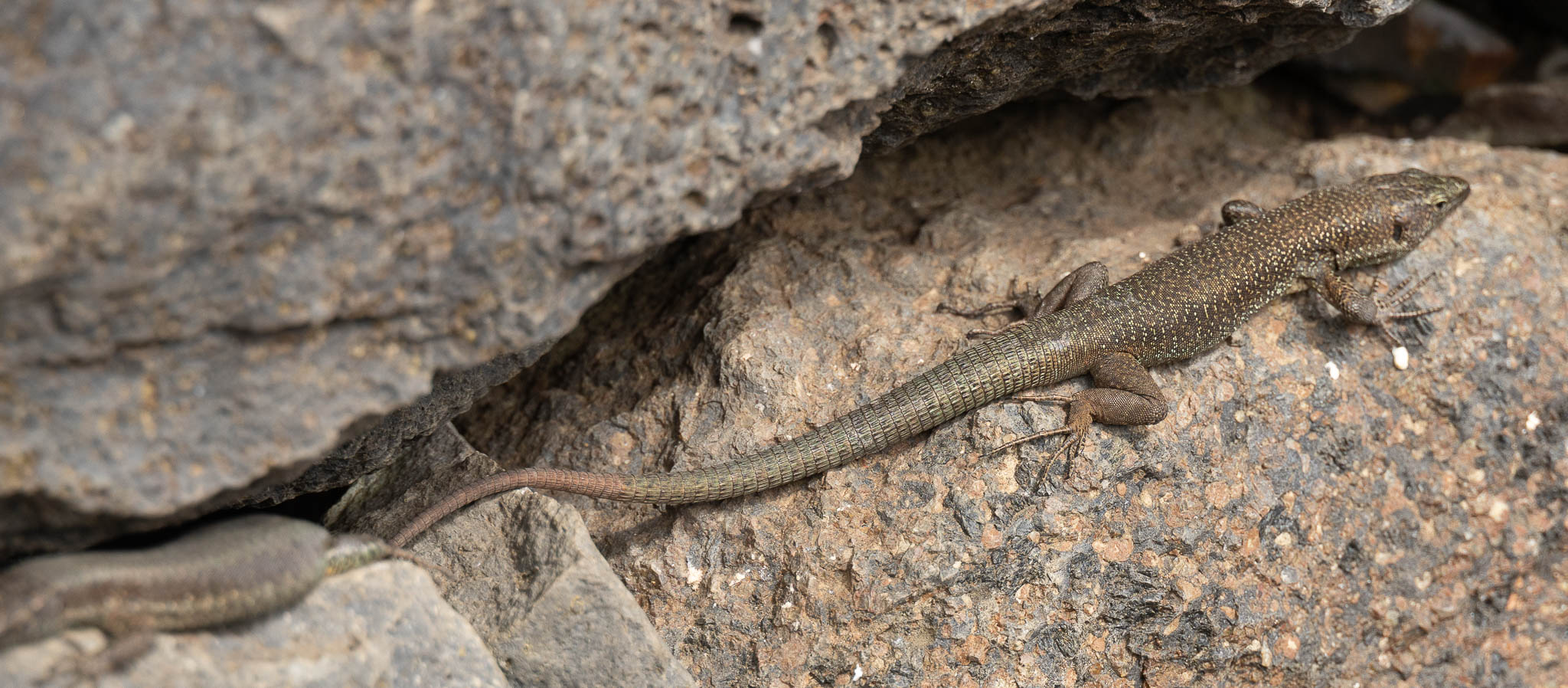
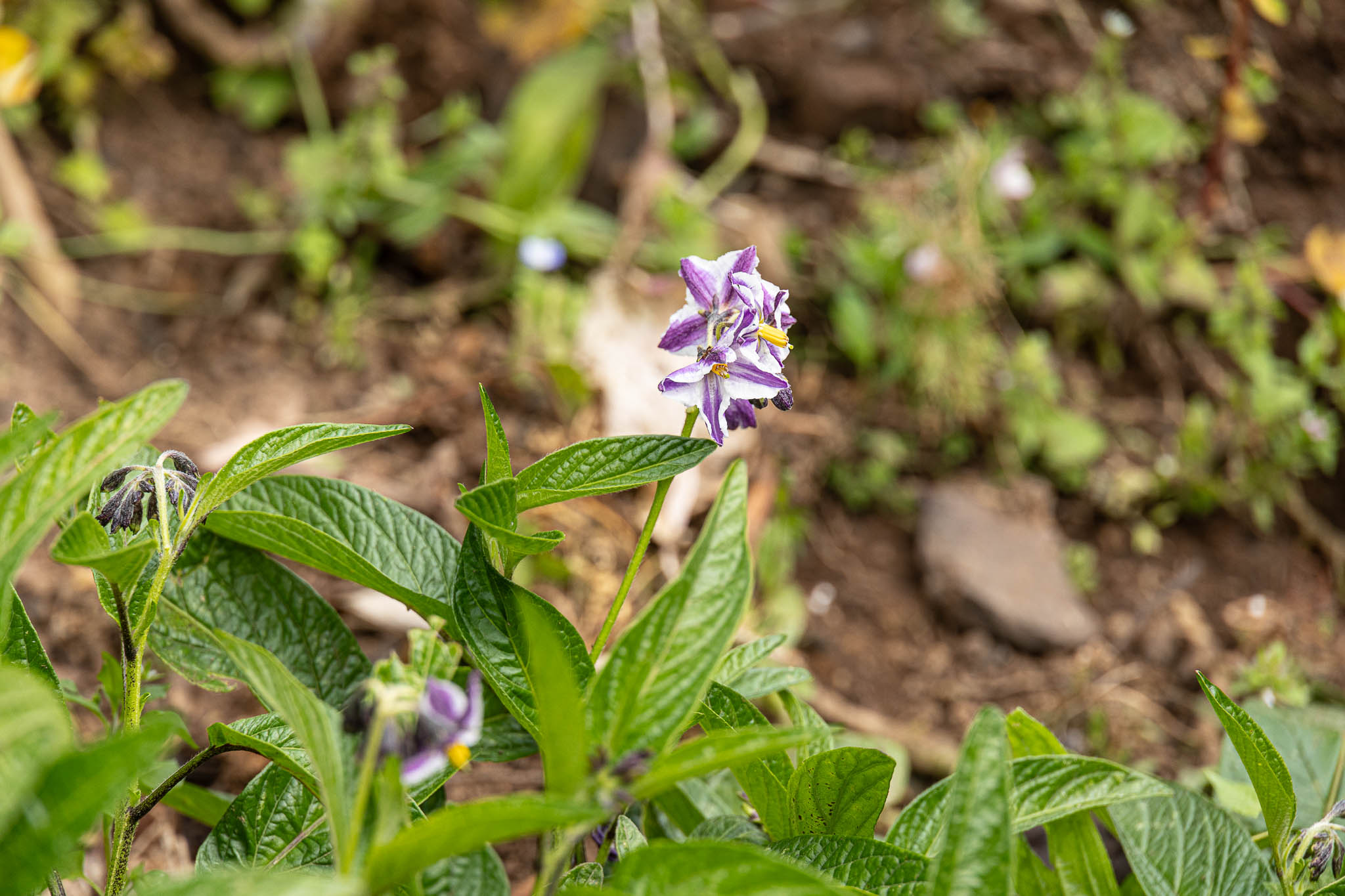
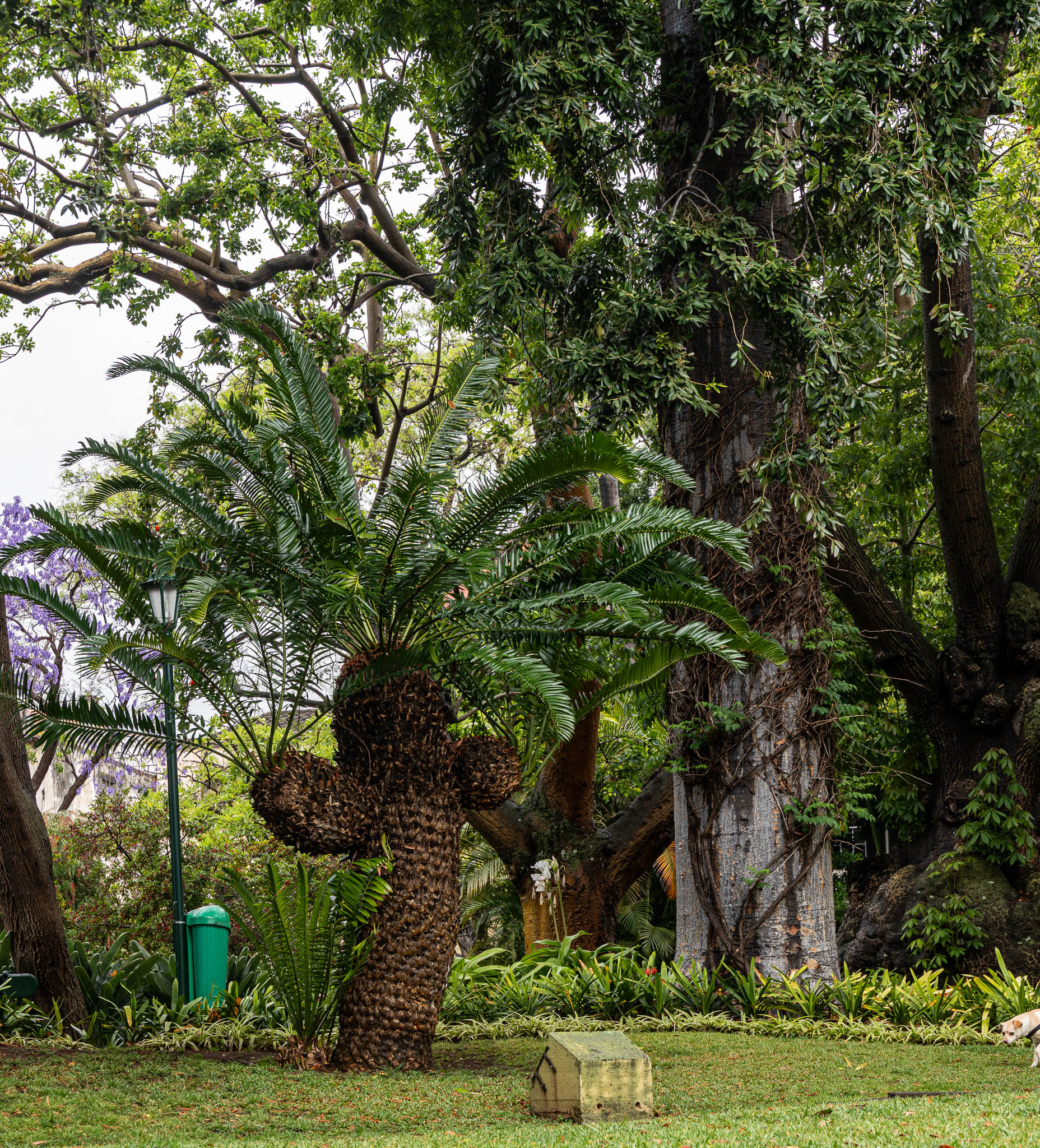
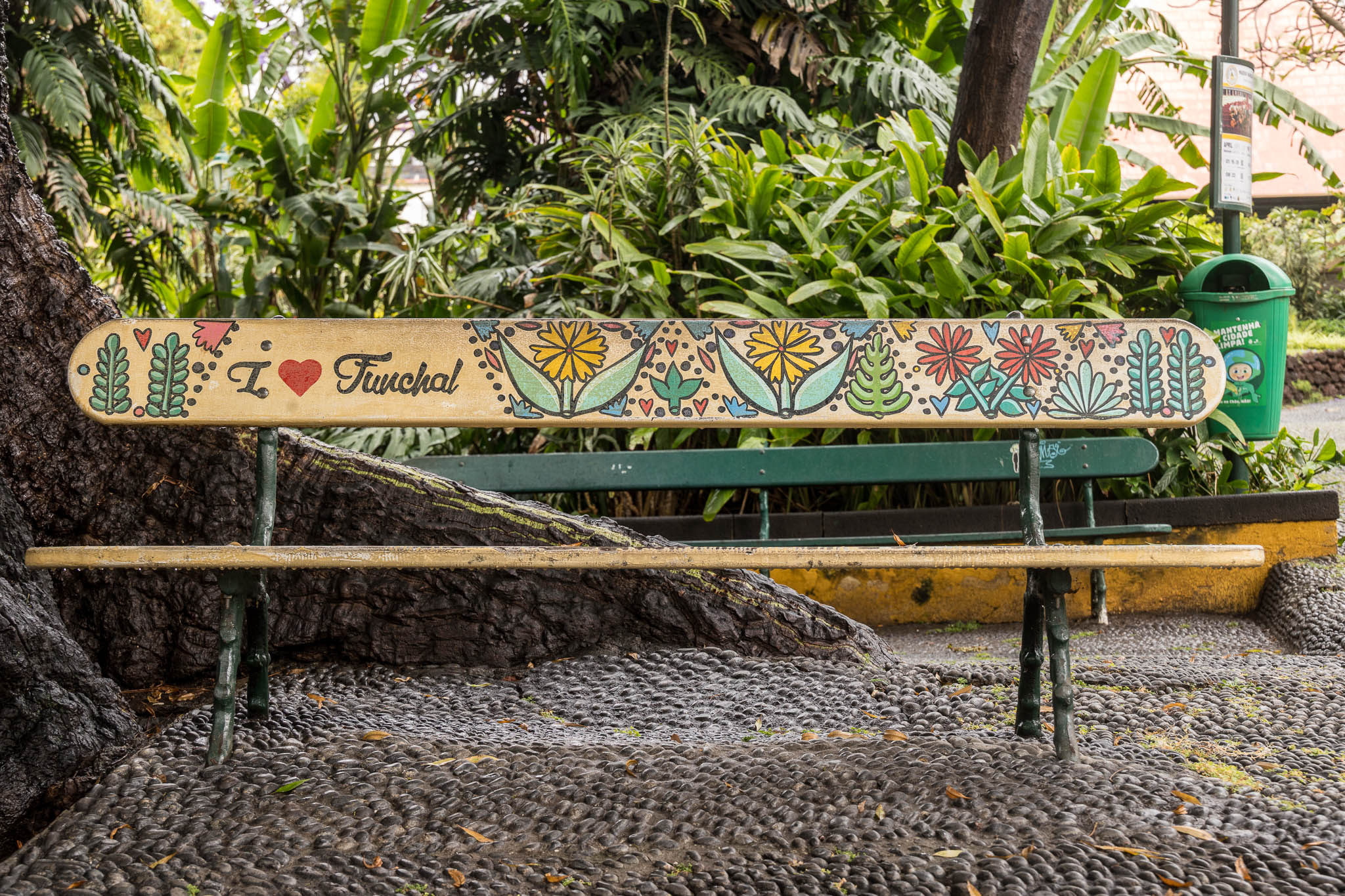
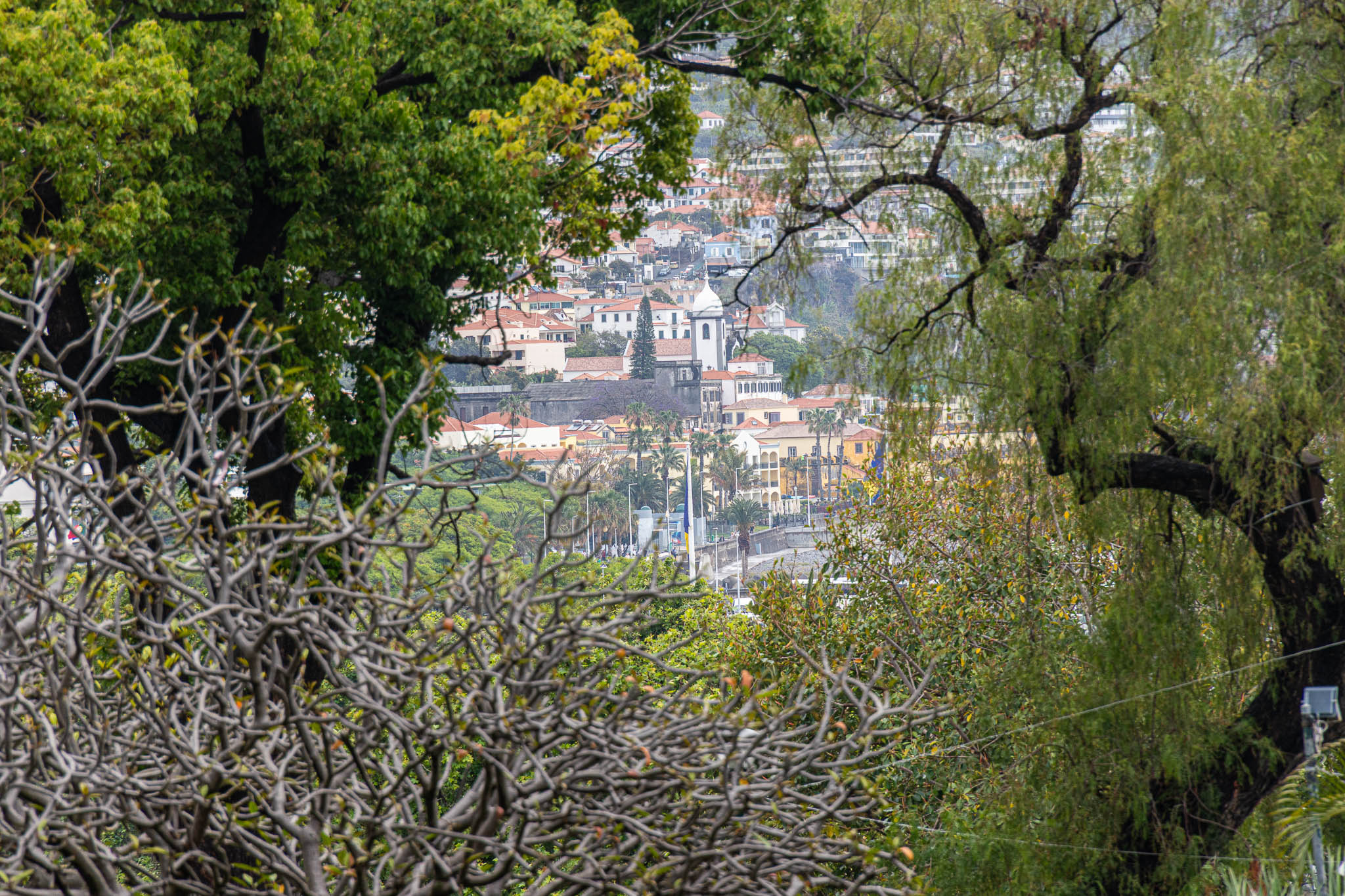
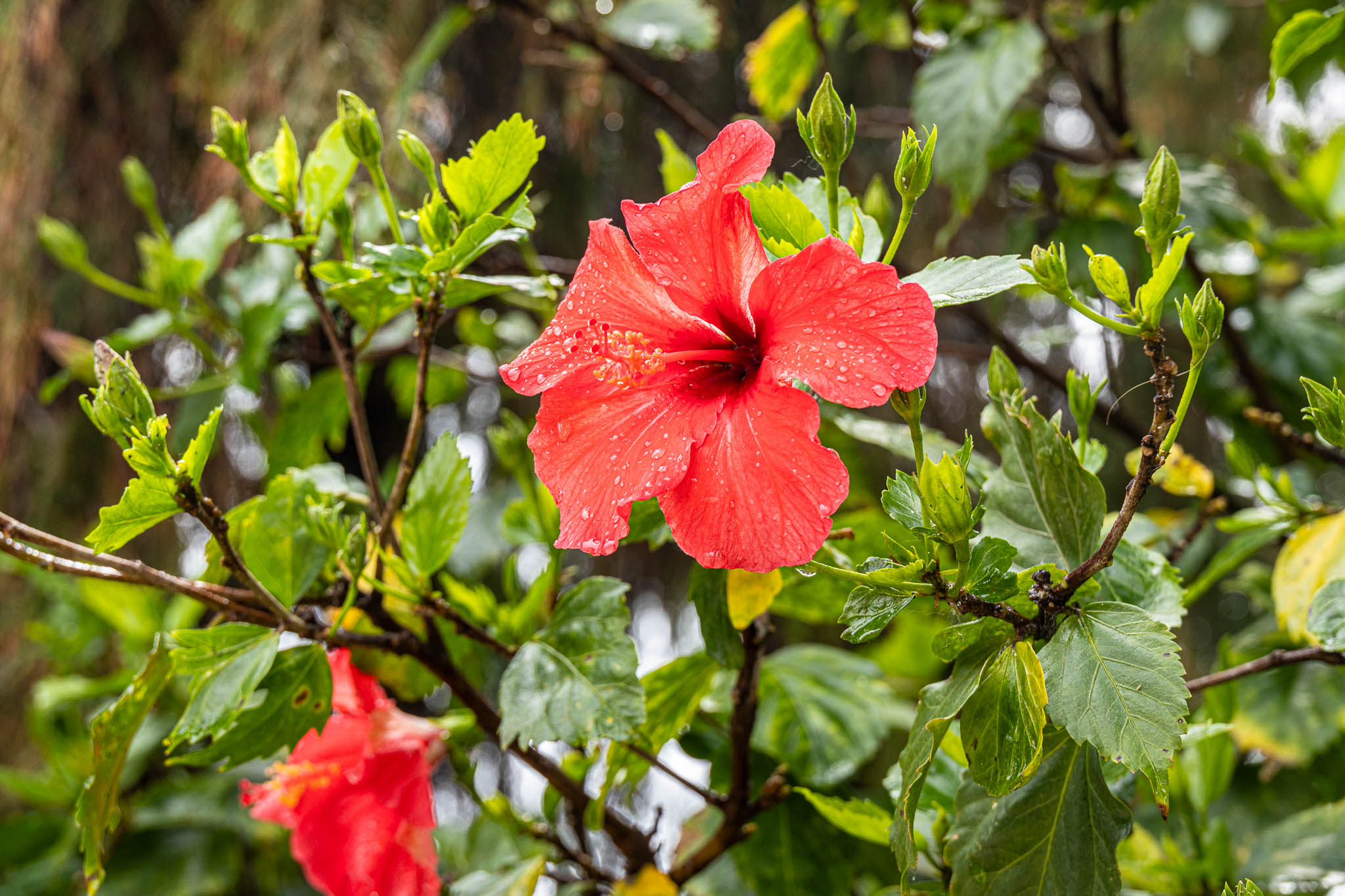
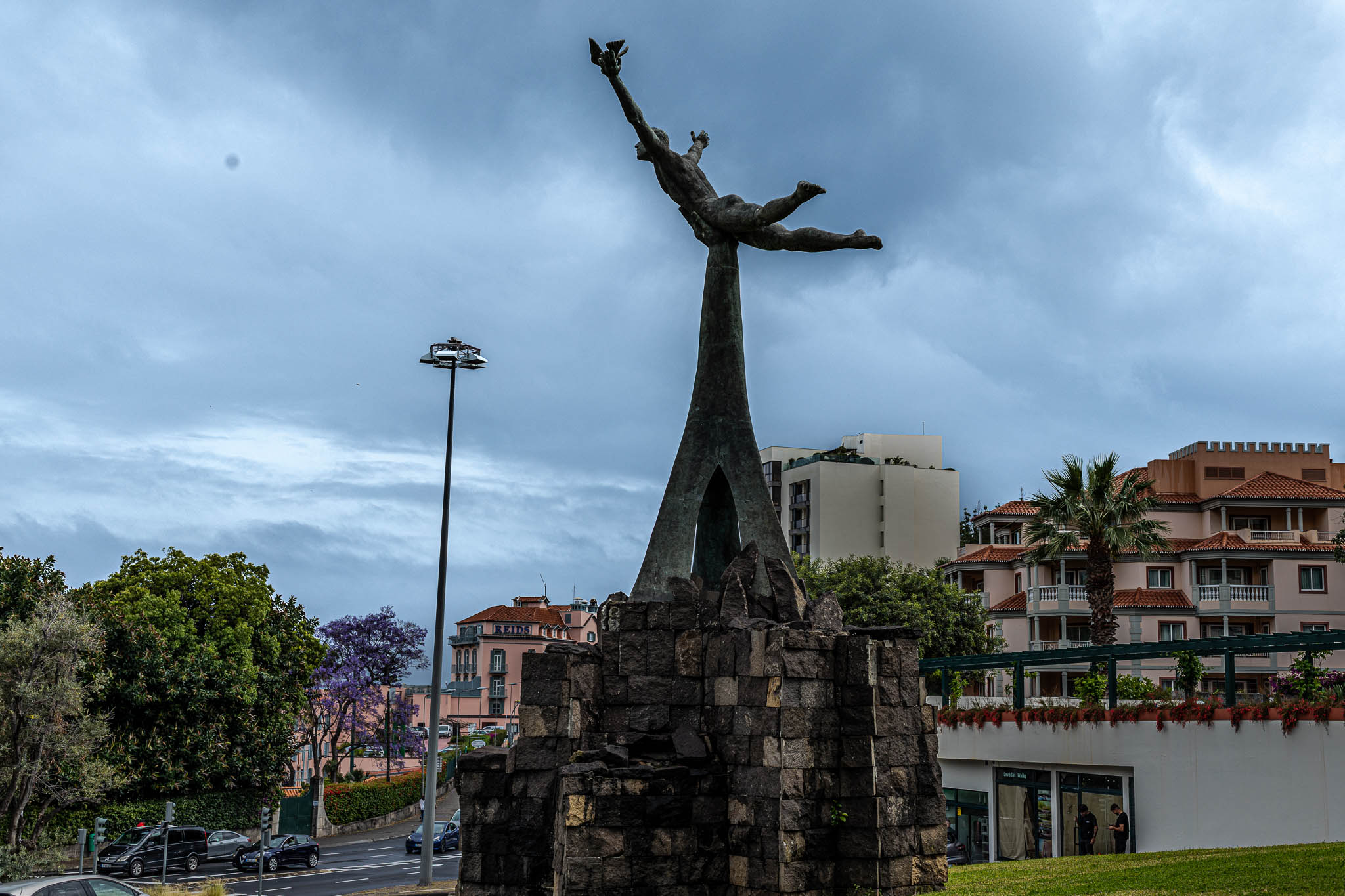
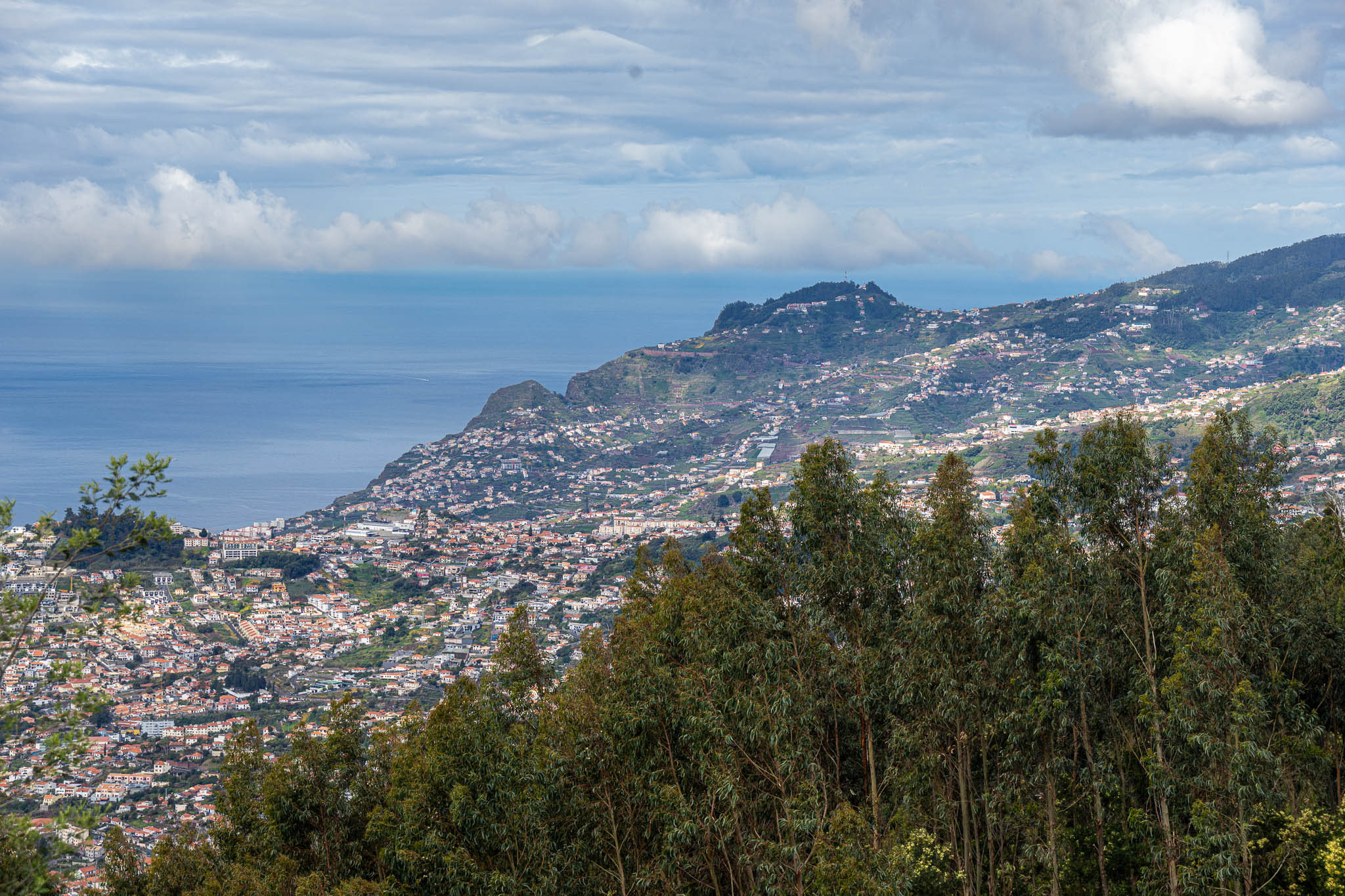
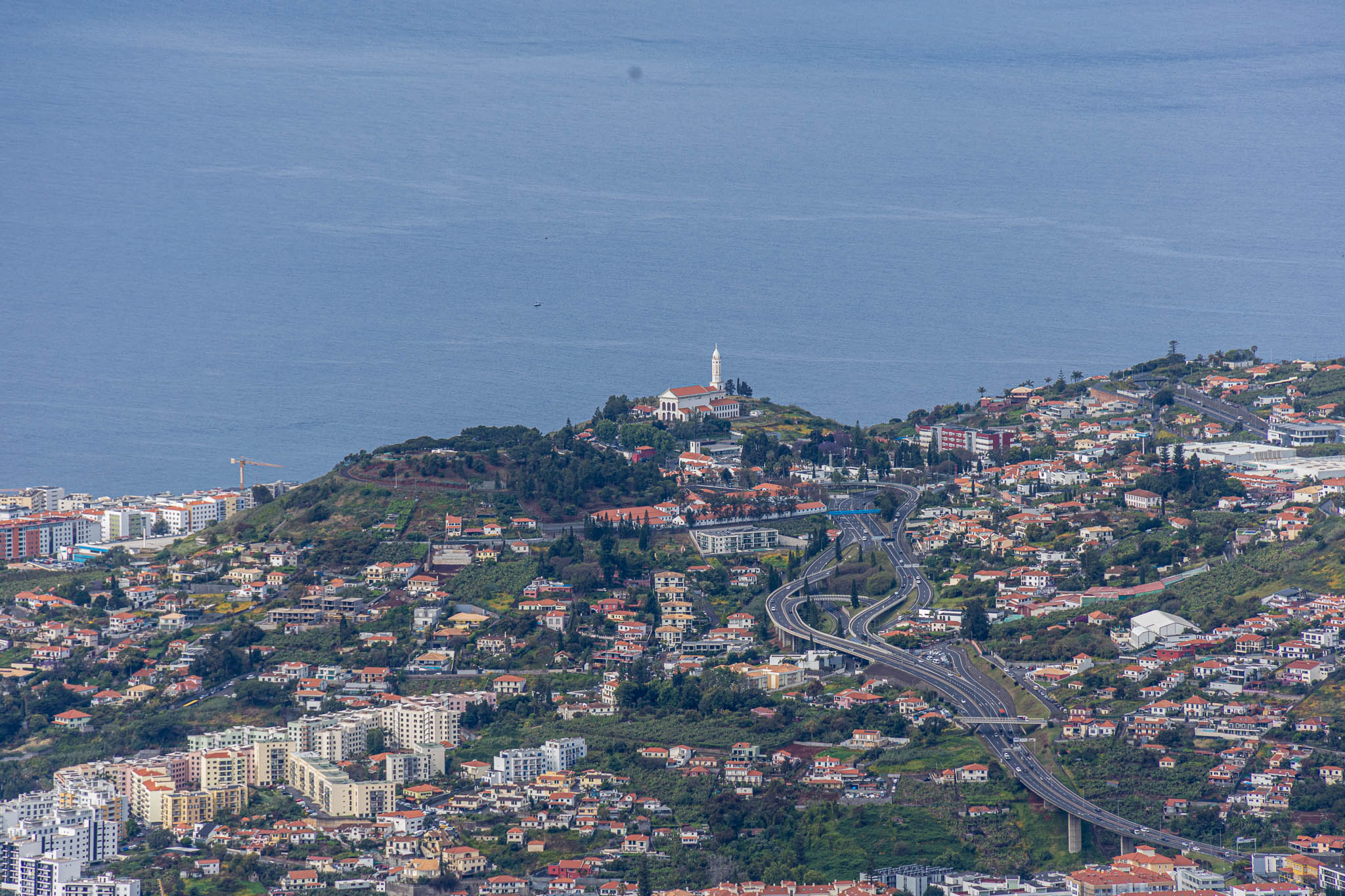
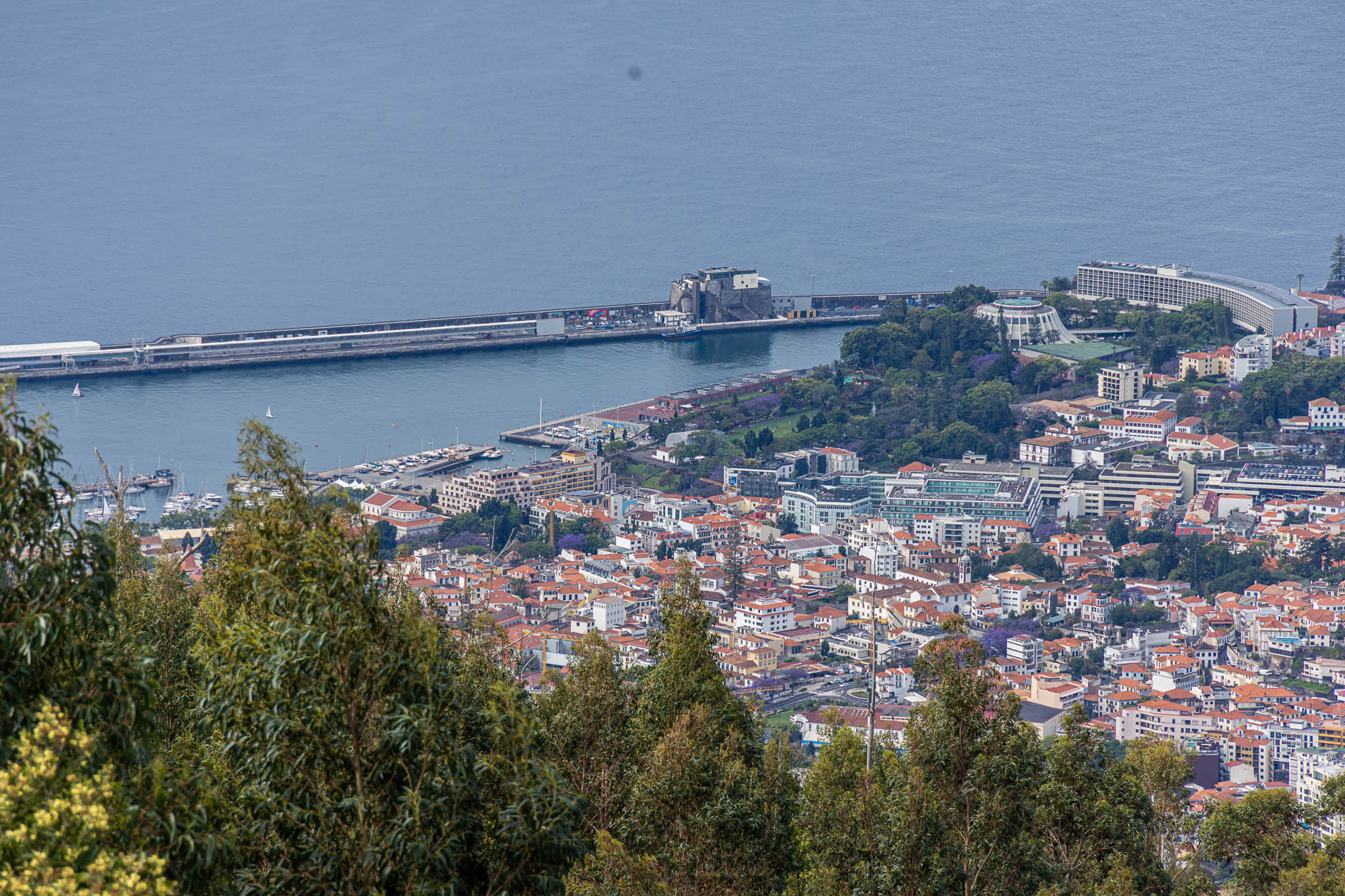
This blog is the story of 7 days away exploring the delights of a Portuguese jewel in the middle of the north Atlantic Ocean – Madeira.
This is a beautiful island nearly 600 miles to the southwest of mainland Portugal. Although popular it is less visited than the Spanish Canaries Islands – another 350 miles to the Southwest.
This is our 4th visit to the island (if you include a day visit on a cruise). It is not a typical holiday destination -but plenty to see without the busyness of other island resorts.
Not much information but I think that you can gather we like it.
The walking echoed the last trip to Edinburgh. The average number of steps per day was well more than 13,000 and in tandem with Edinburgh – most was not on the flat!!
DAY 1 - GETTING THERE
Getting there was relatively easy. An early start but we stayed in a hotel near to Gatwick the night before so were nearby. An absolute bargain – £208 gave us a week’s parking, a night in the hotel and a 3-course meal!!
Flight uneventful.
So far so good until we land! Passing through the new biometric gates at Border Control – photos plus fingerprints – it didn’t work and therefore a 1½ hour queue
DAY 1 - FUNCHAL
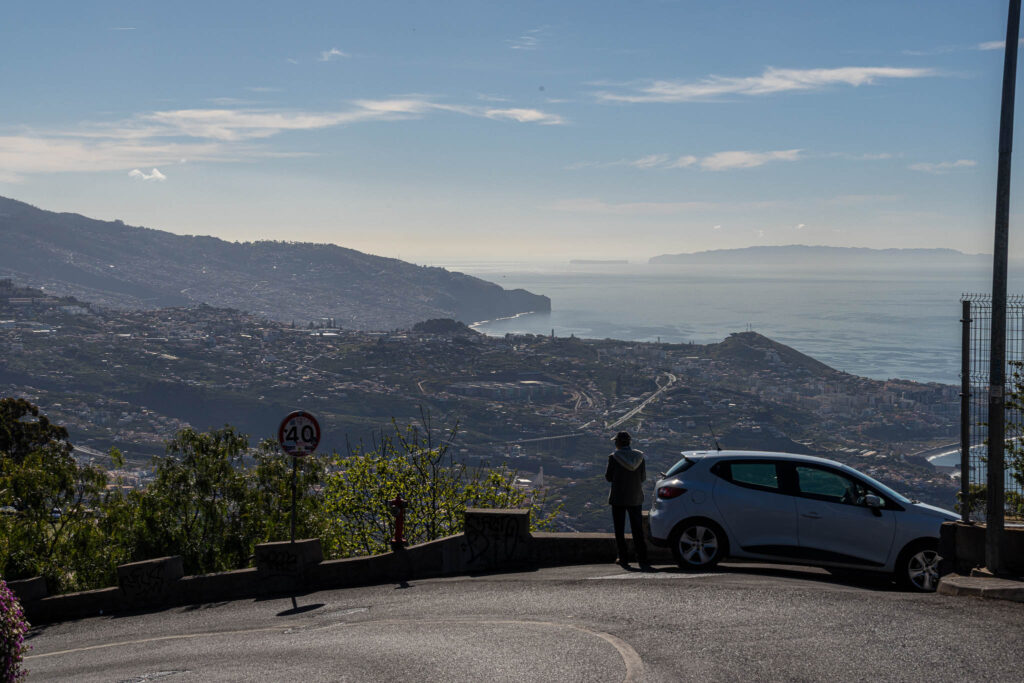
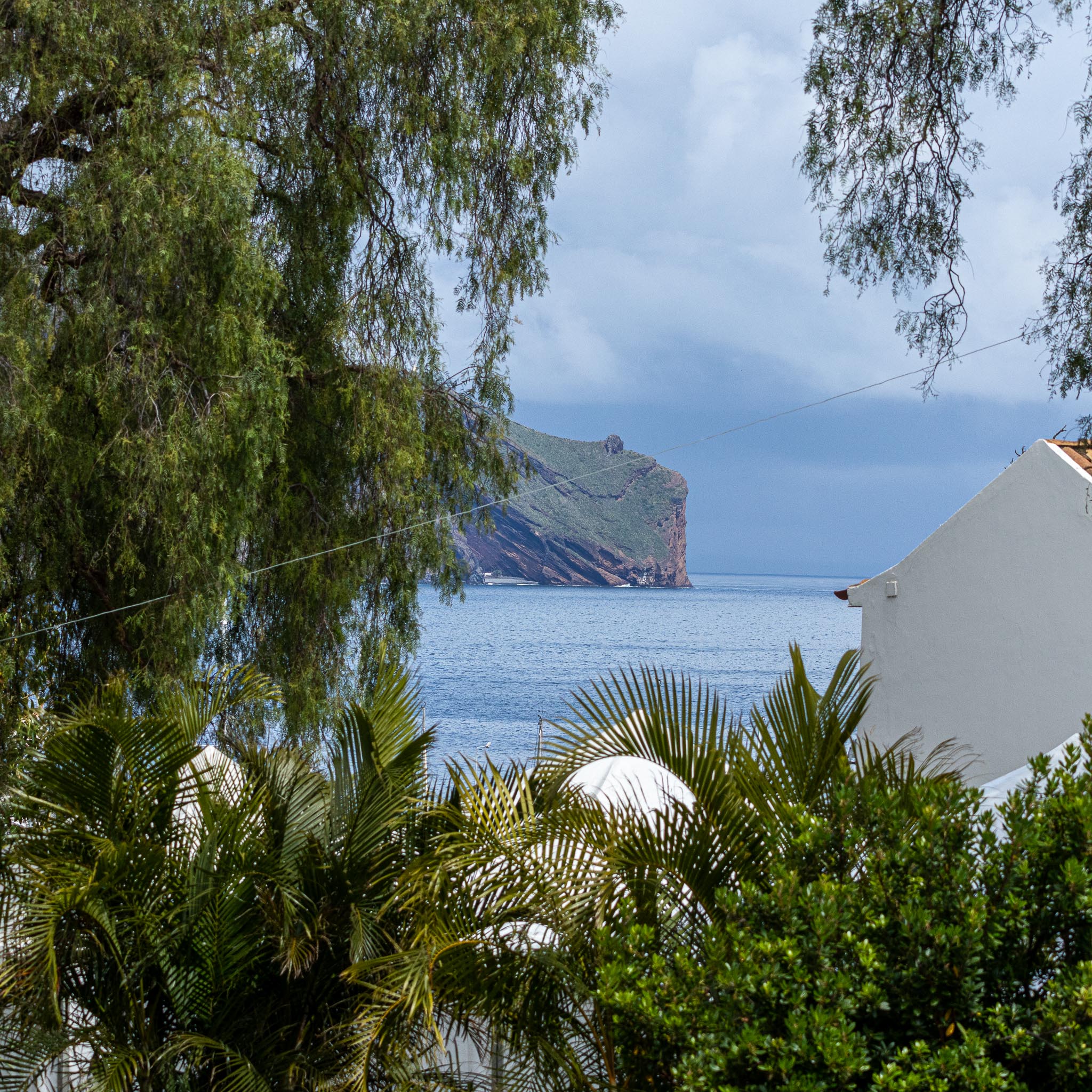
We have visited before – so we are creatures of habit. Dropped the bags in the hotel (incidentally where we have stayed twice before). The hotel is situated about a mile away from Funchal city centre. We always walk into Funchal to grab some lunch on the seafront. The walk into town is busy but lined with beautiful houses, offices, hotels and as you approach the centre there is a beautiful park to the right with views overlooking the harbour and to the coastal hills to the east.
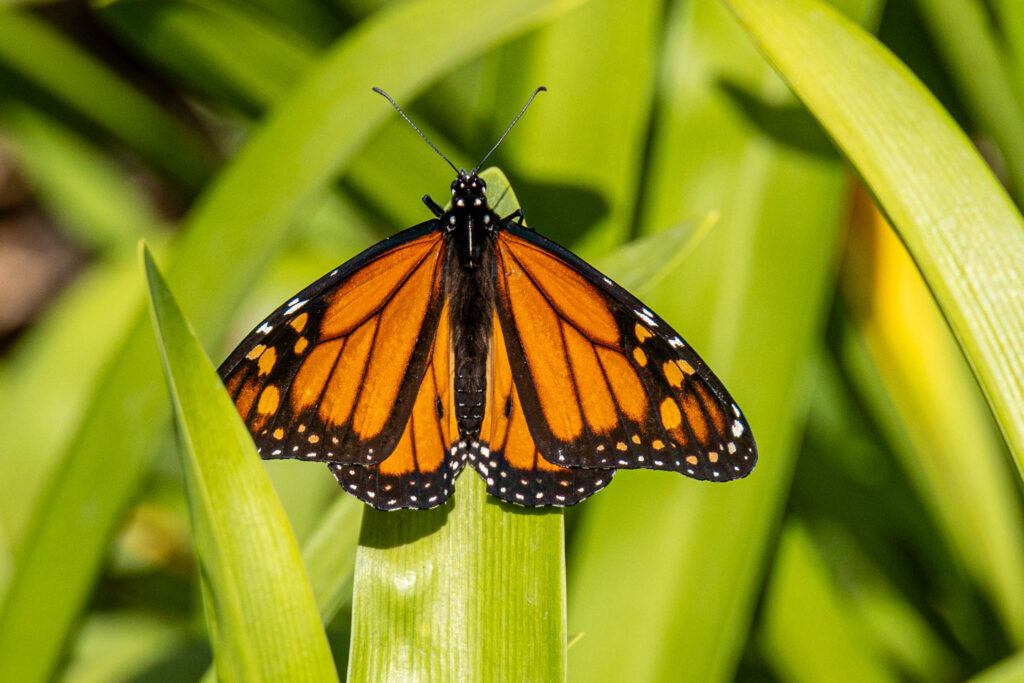
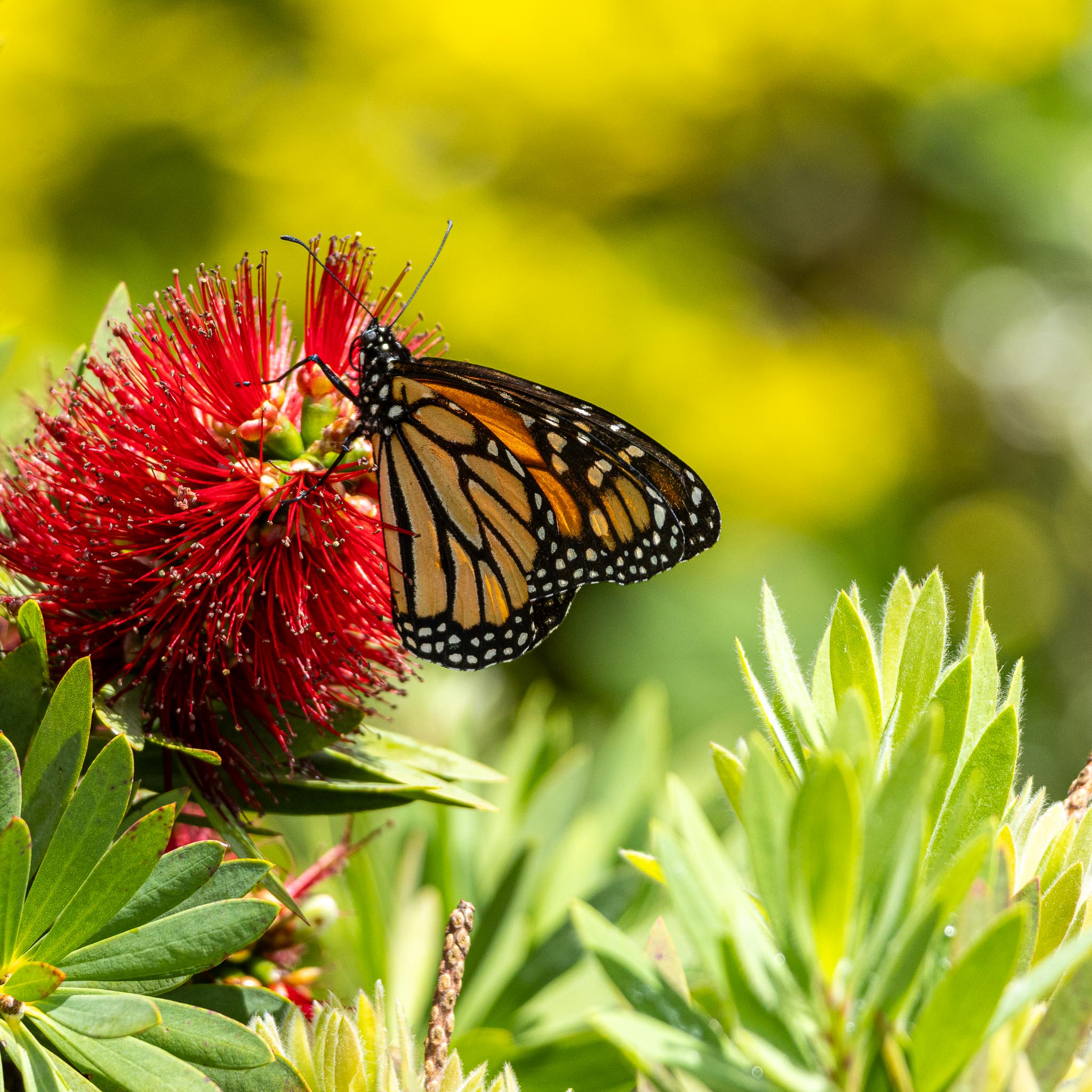
I have often said that the best photos are taken when you are not looking for a subject. This was indeed the case on Madeira seafront – see this beautiful Monarch Butterfly.
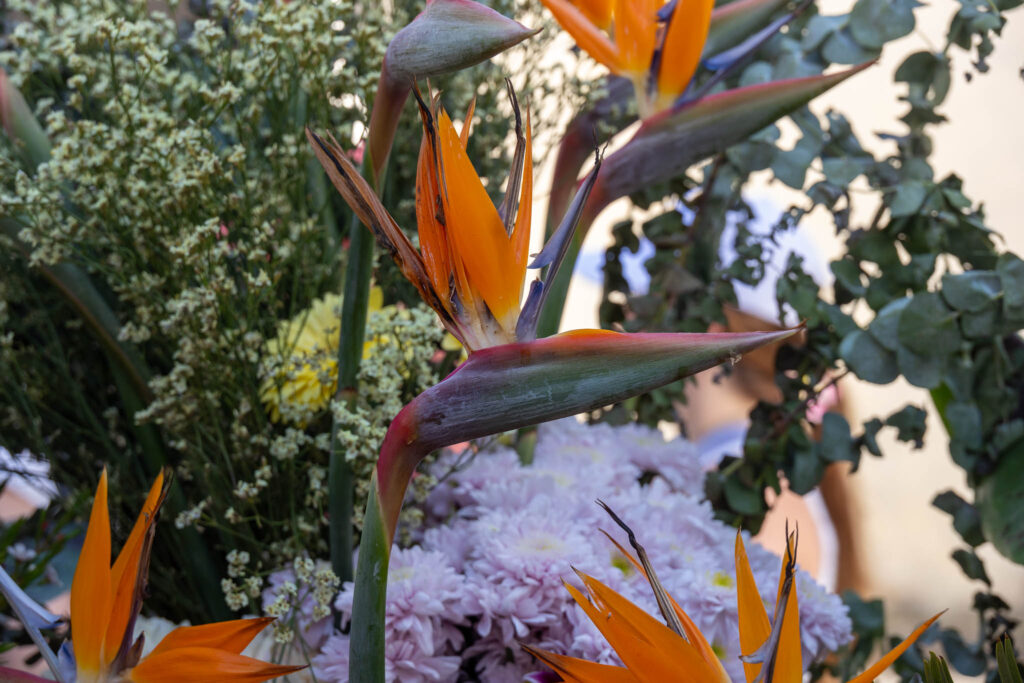
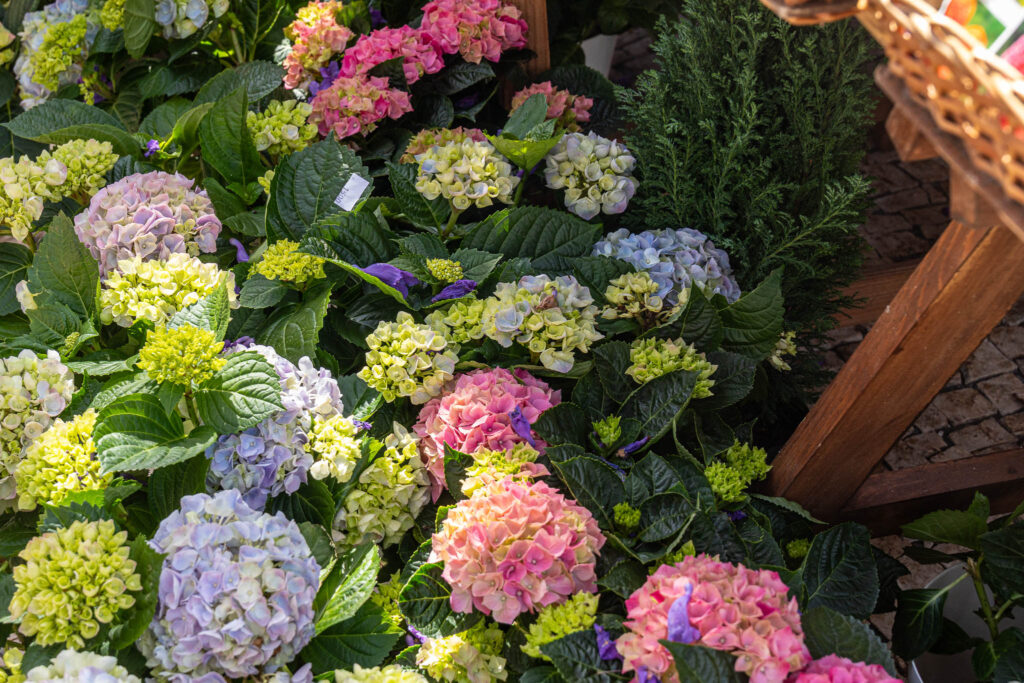
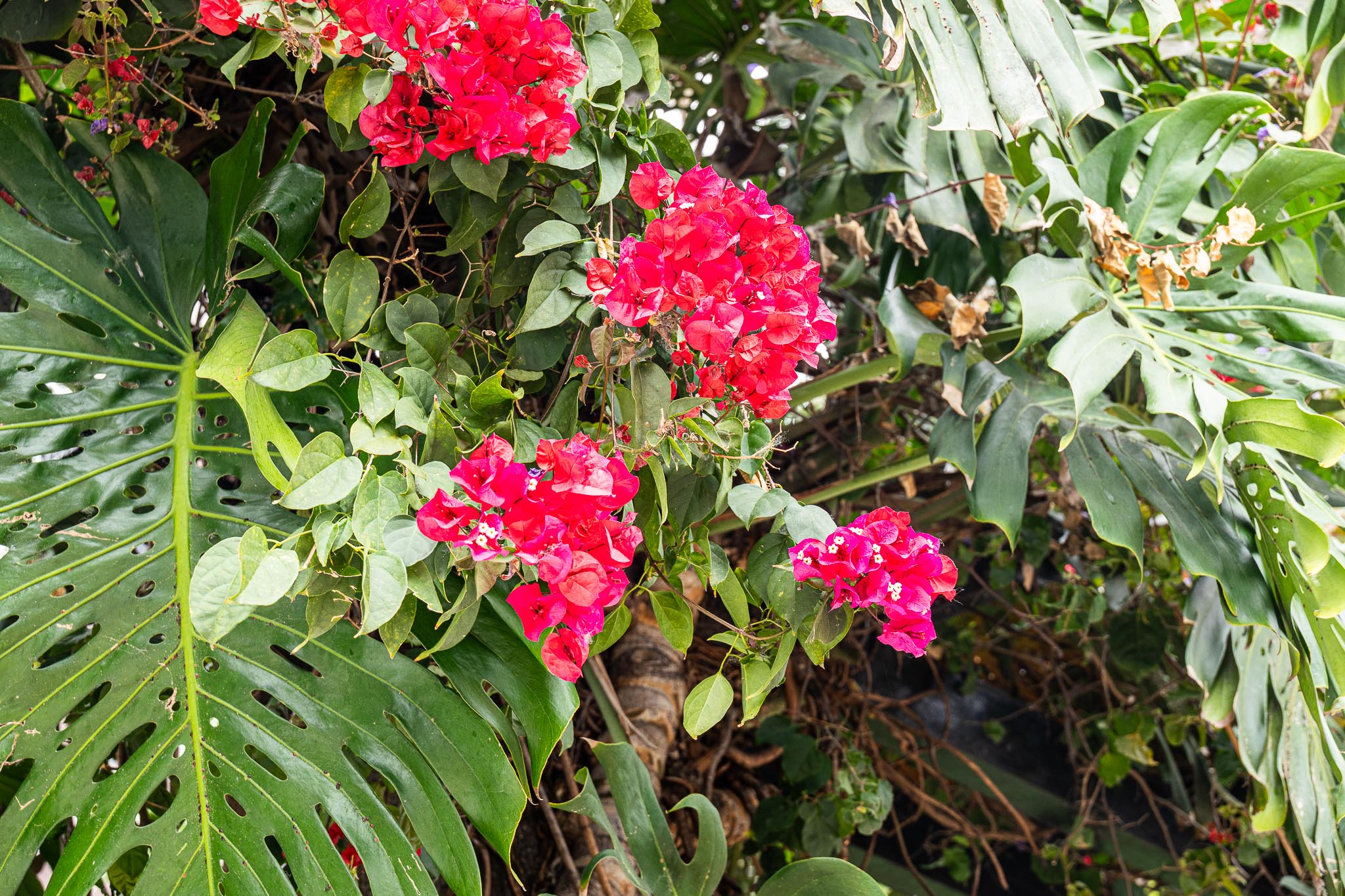
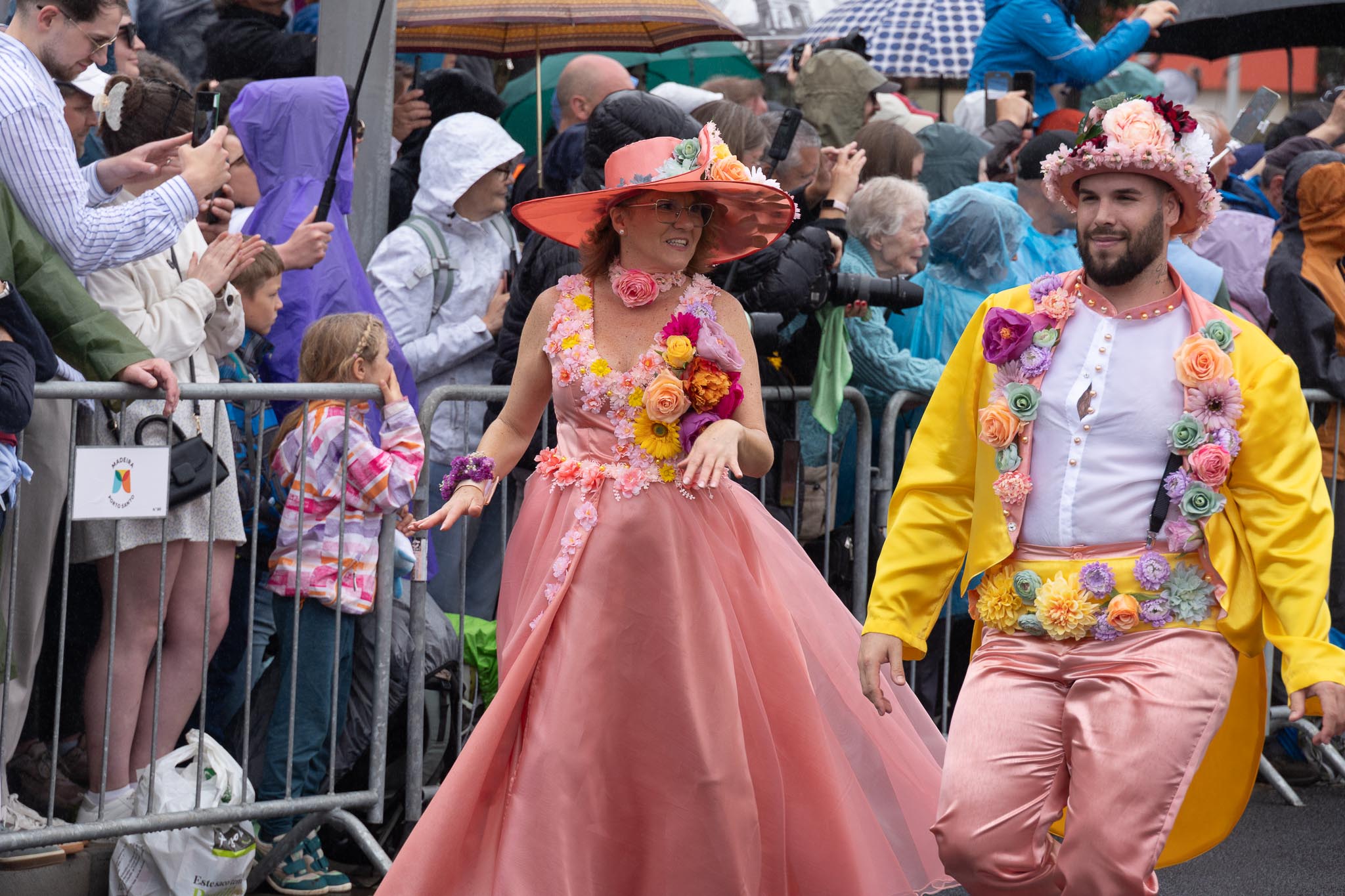
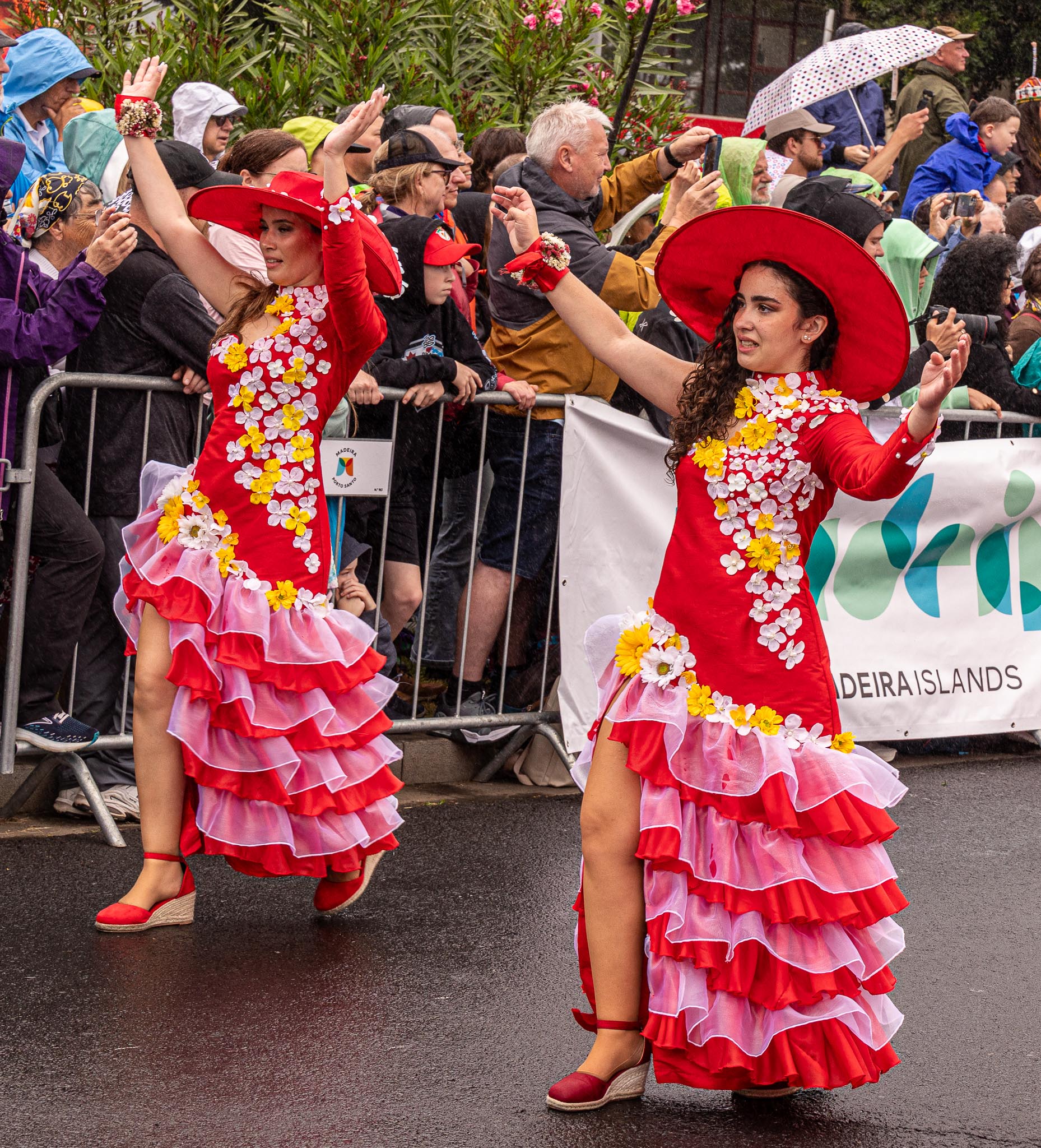
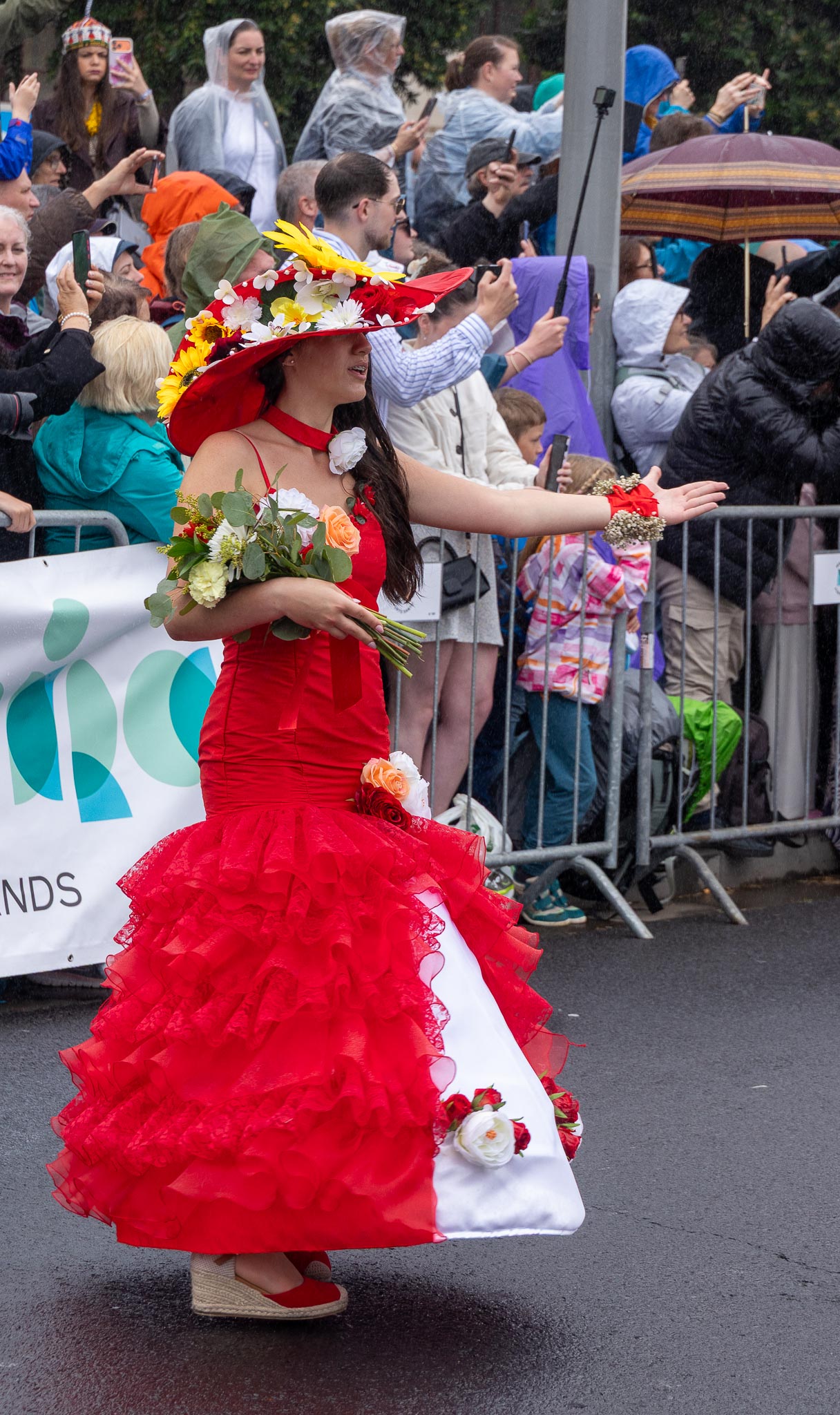
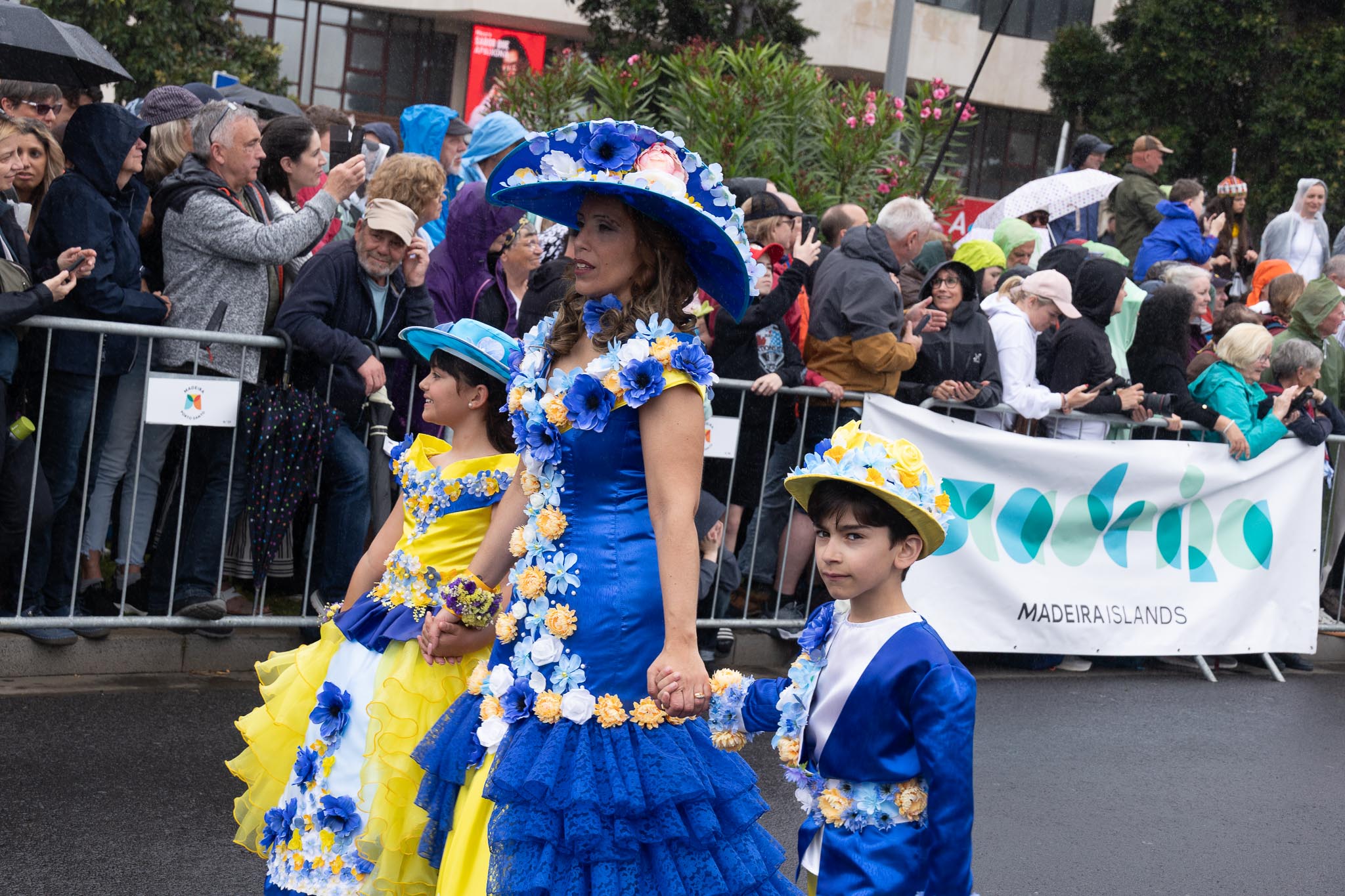
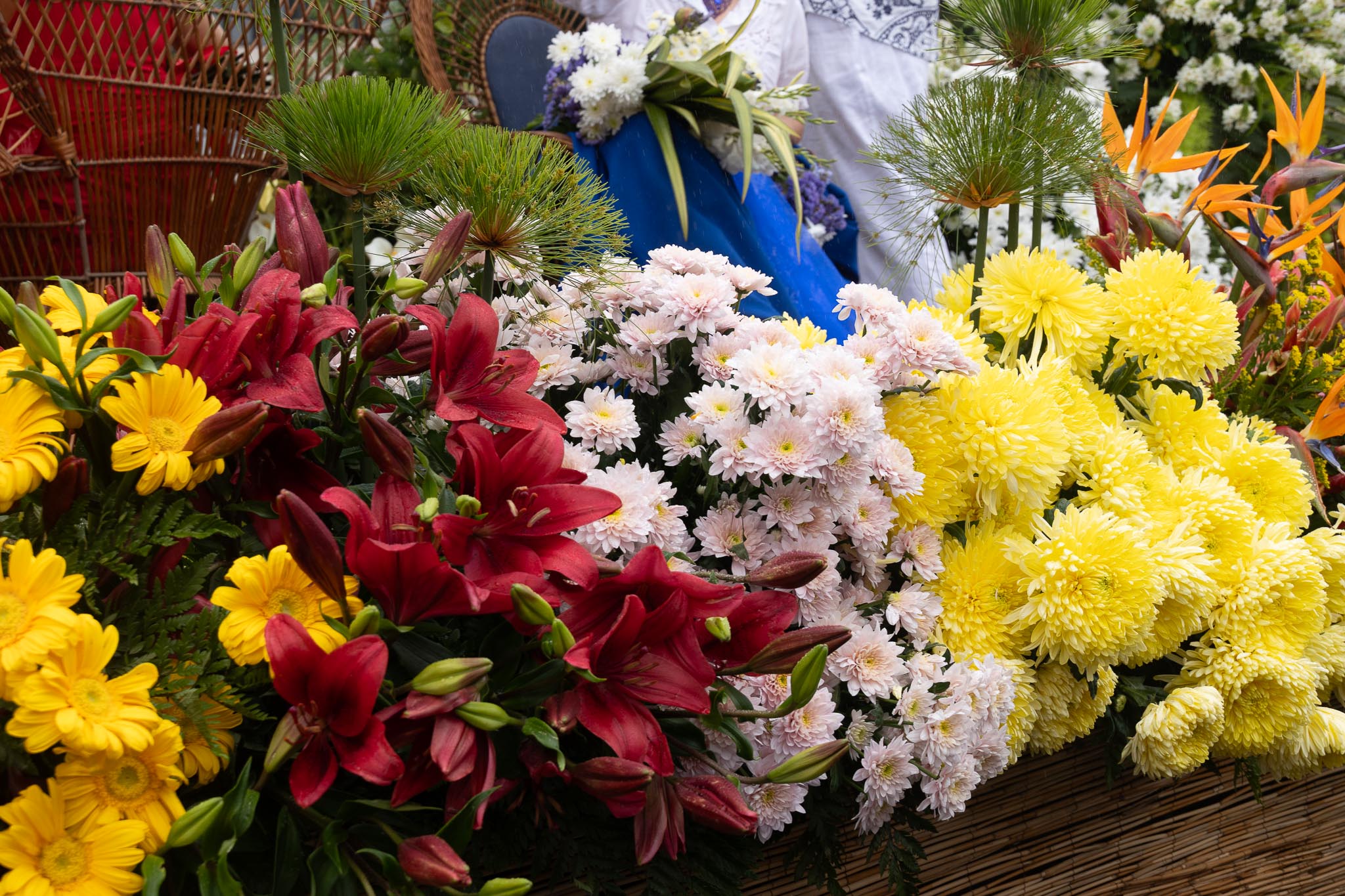
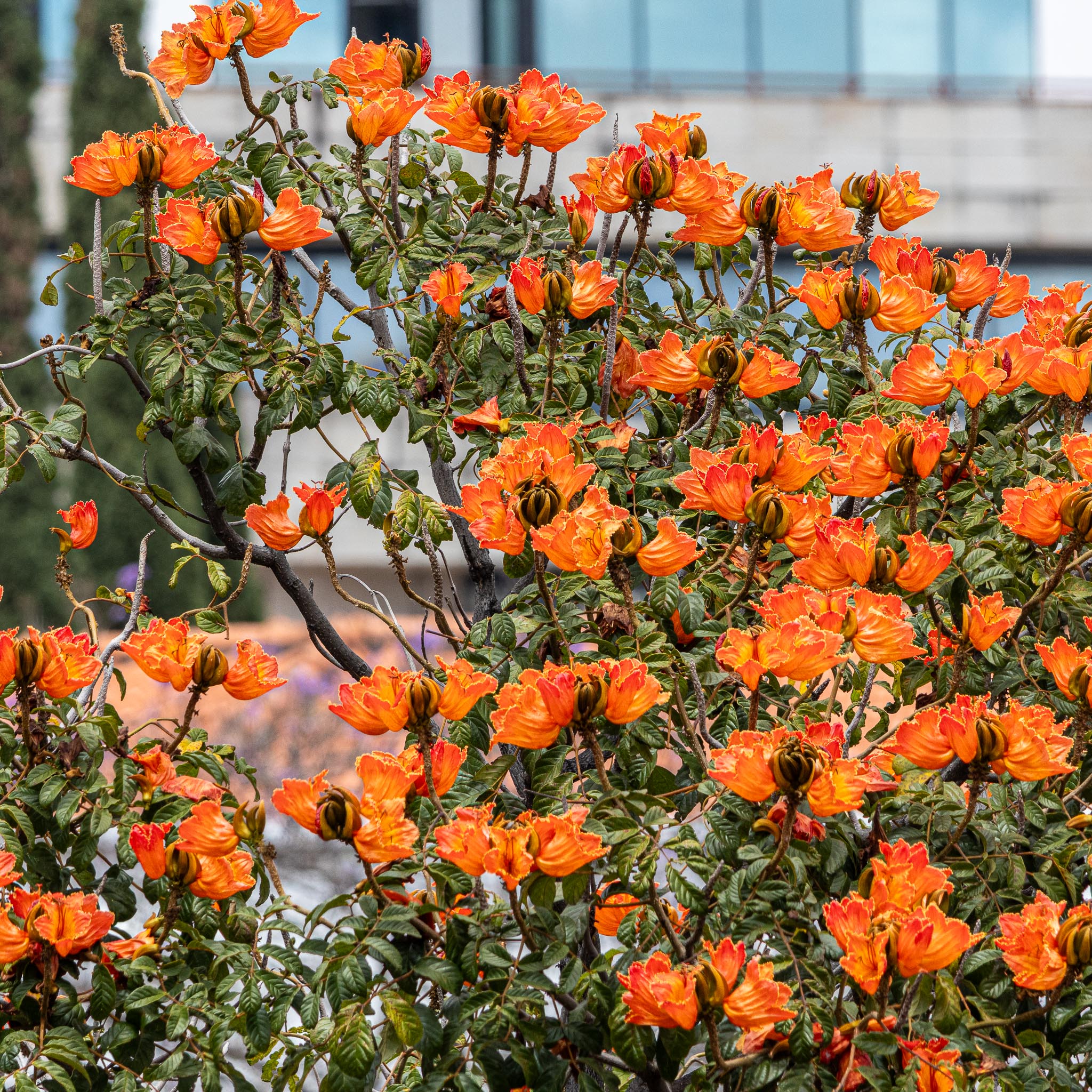
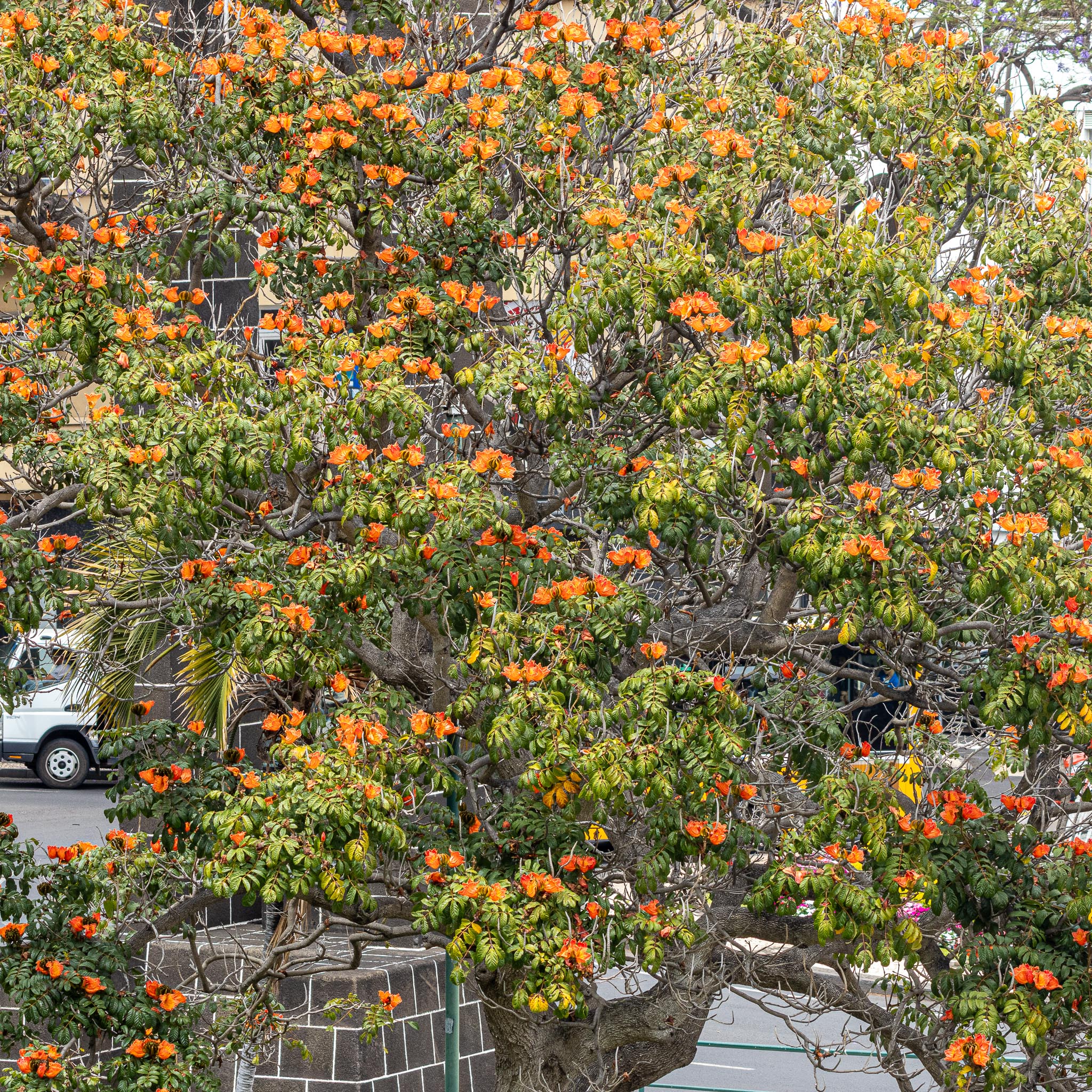
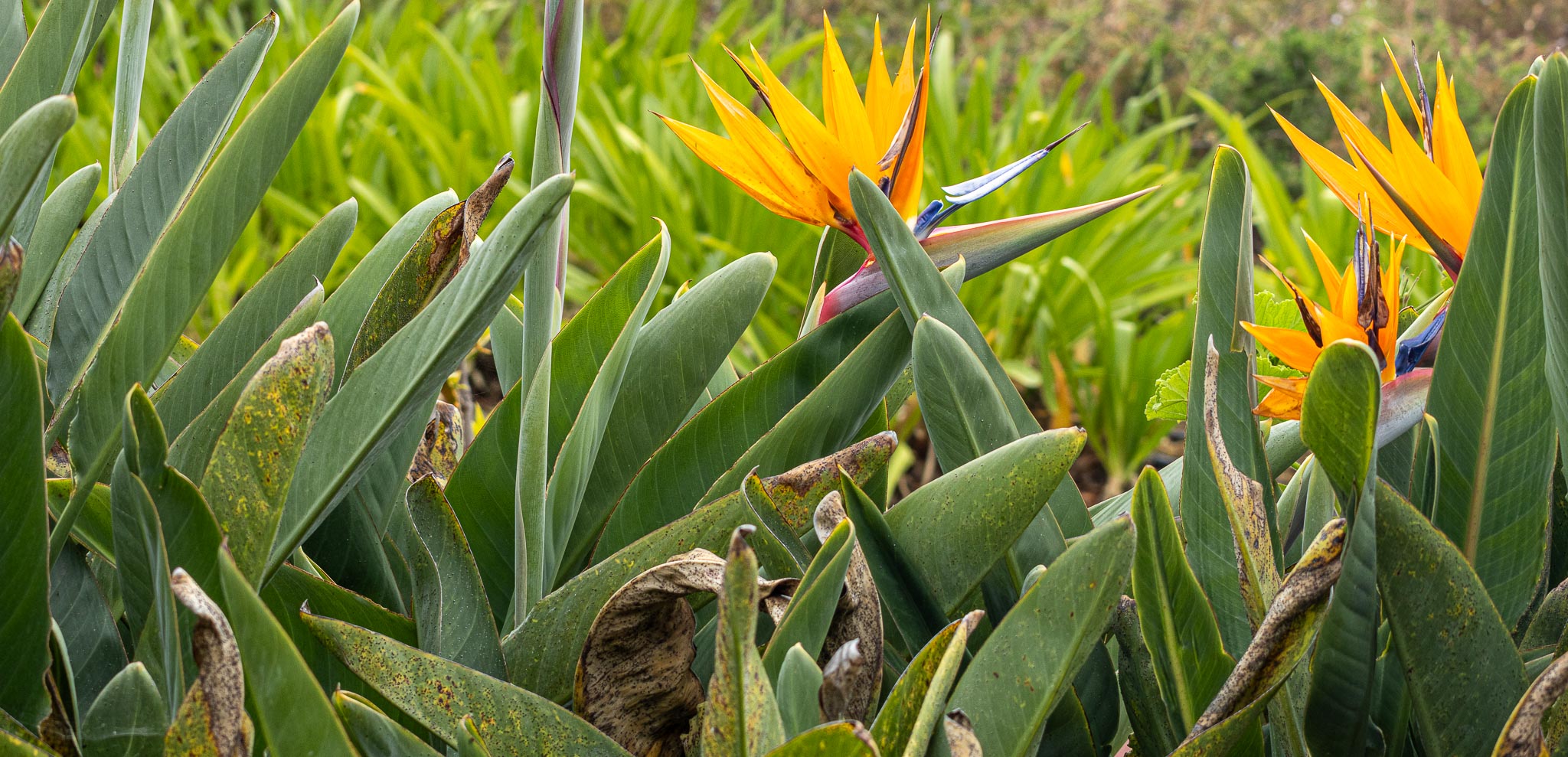
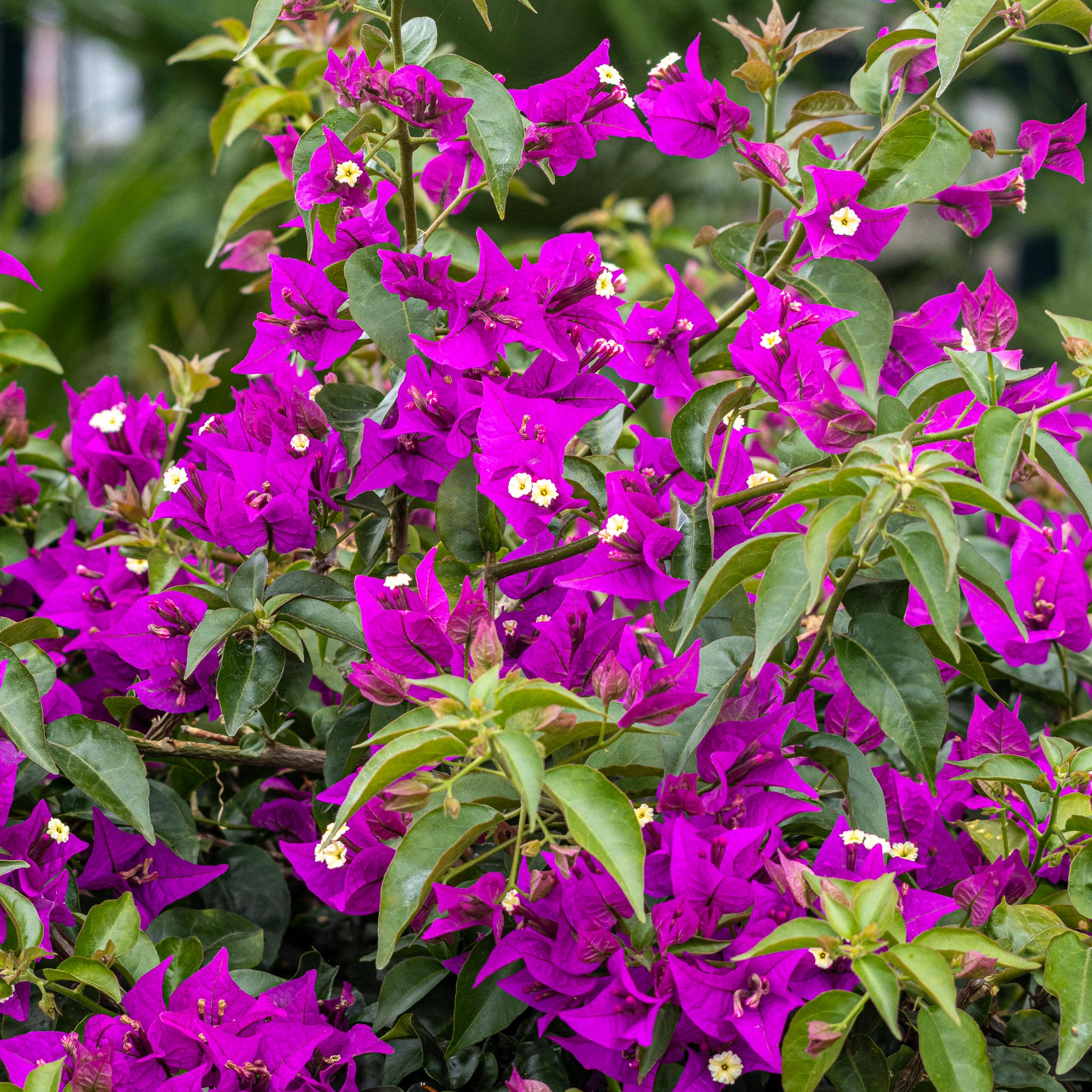
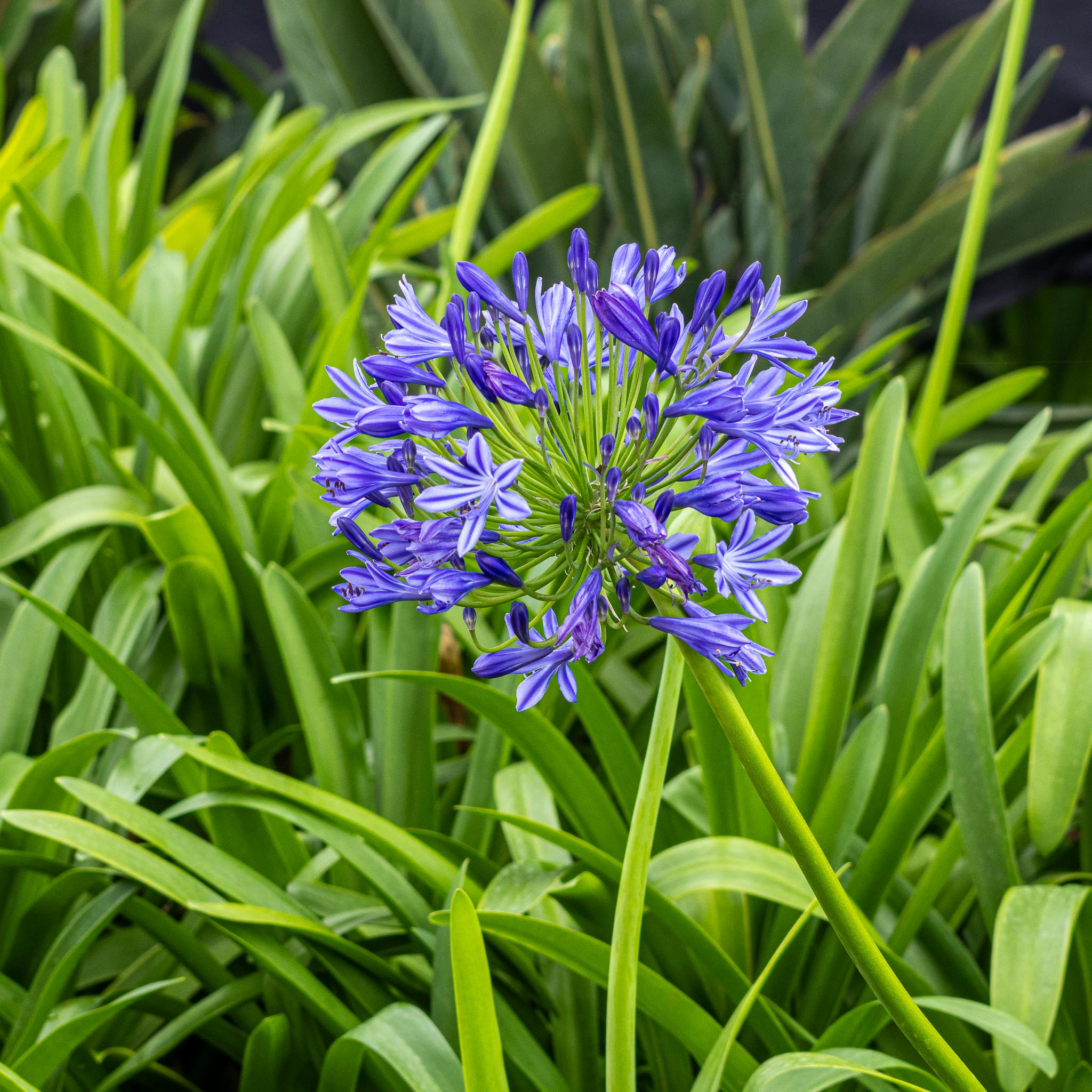
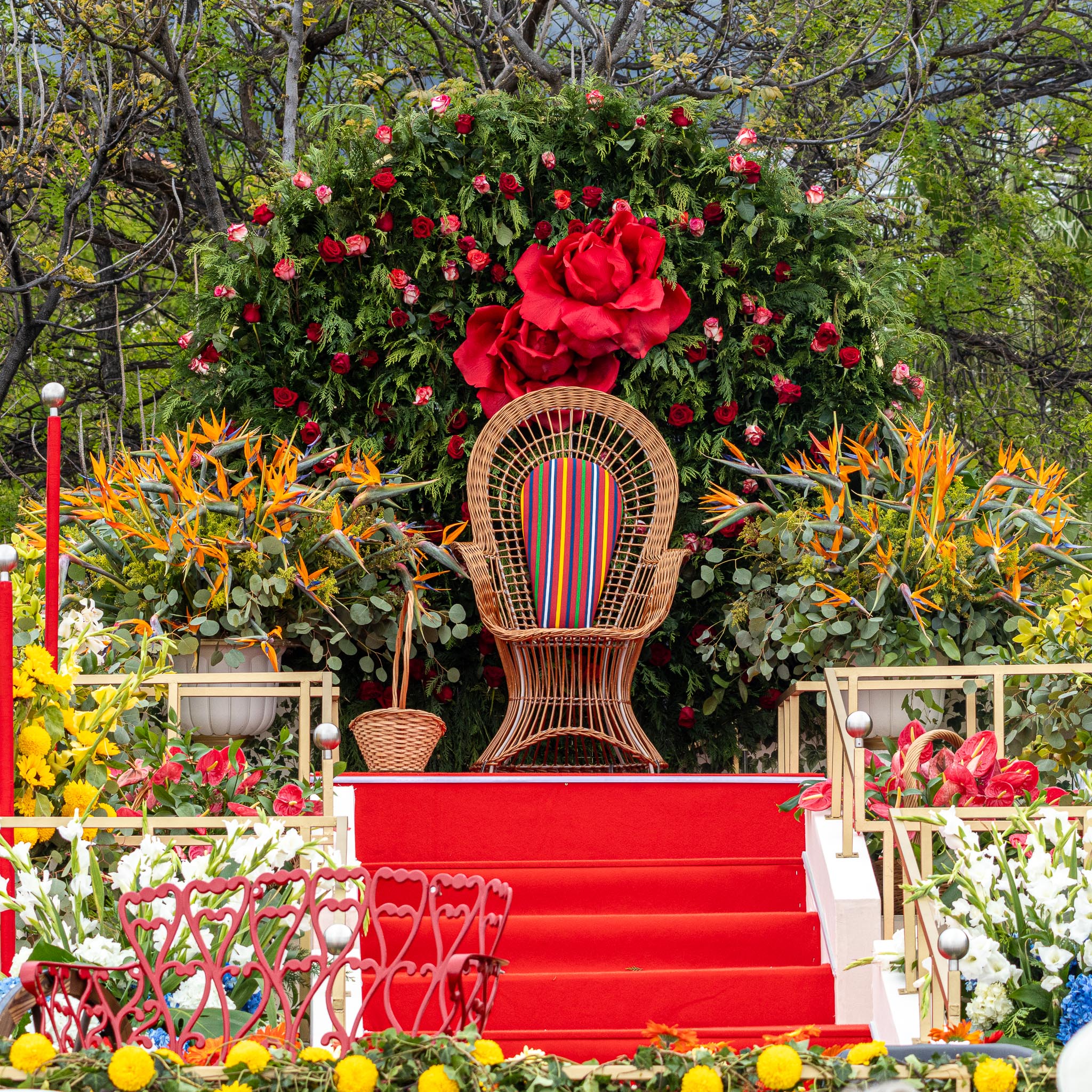
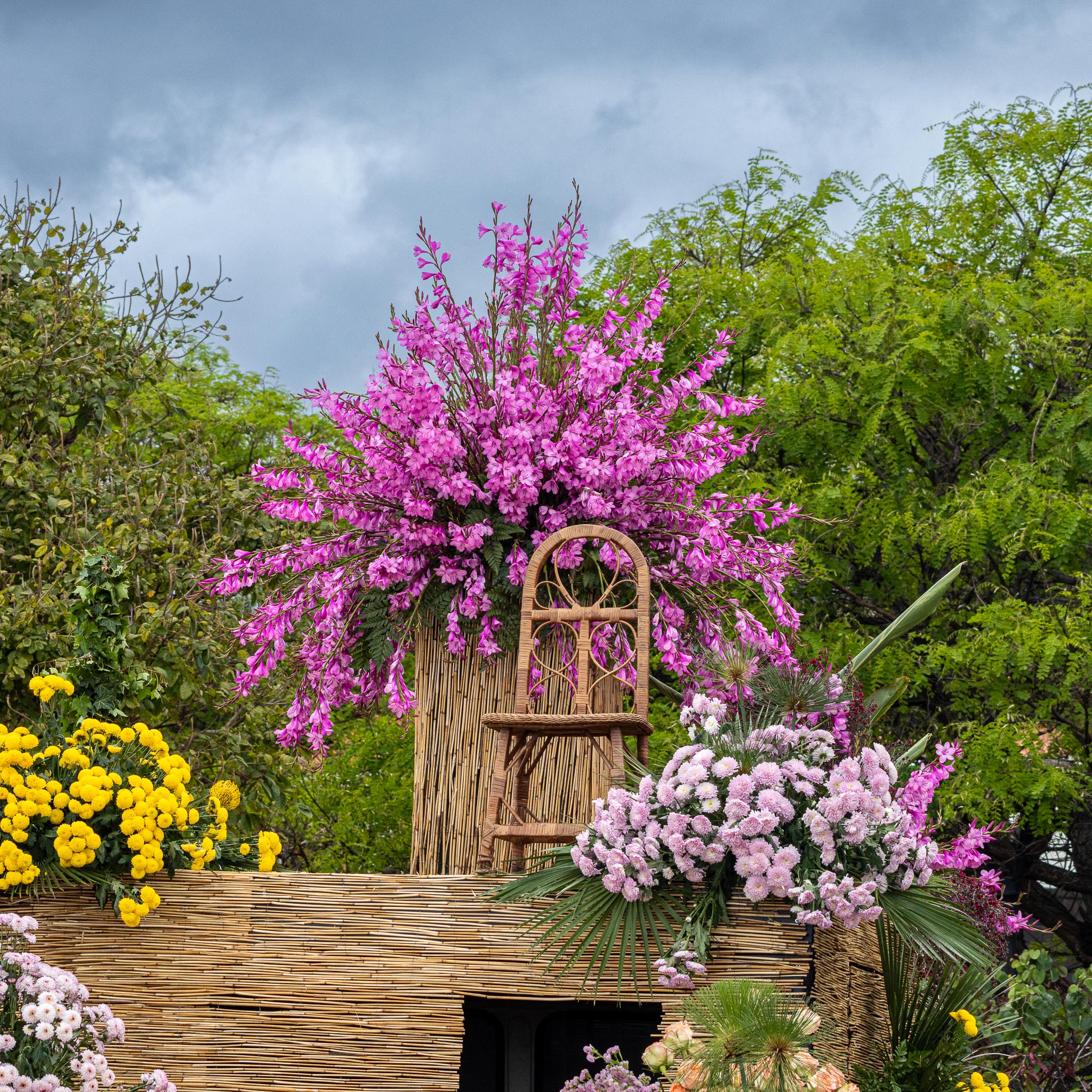
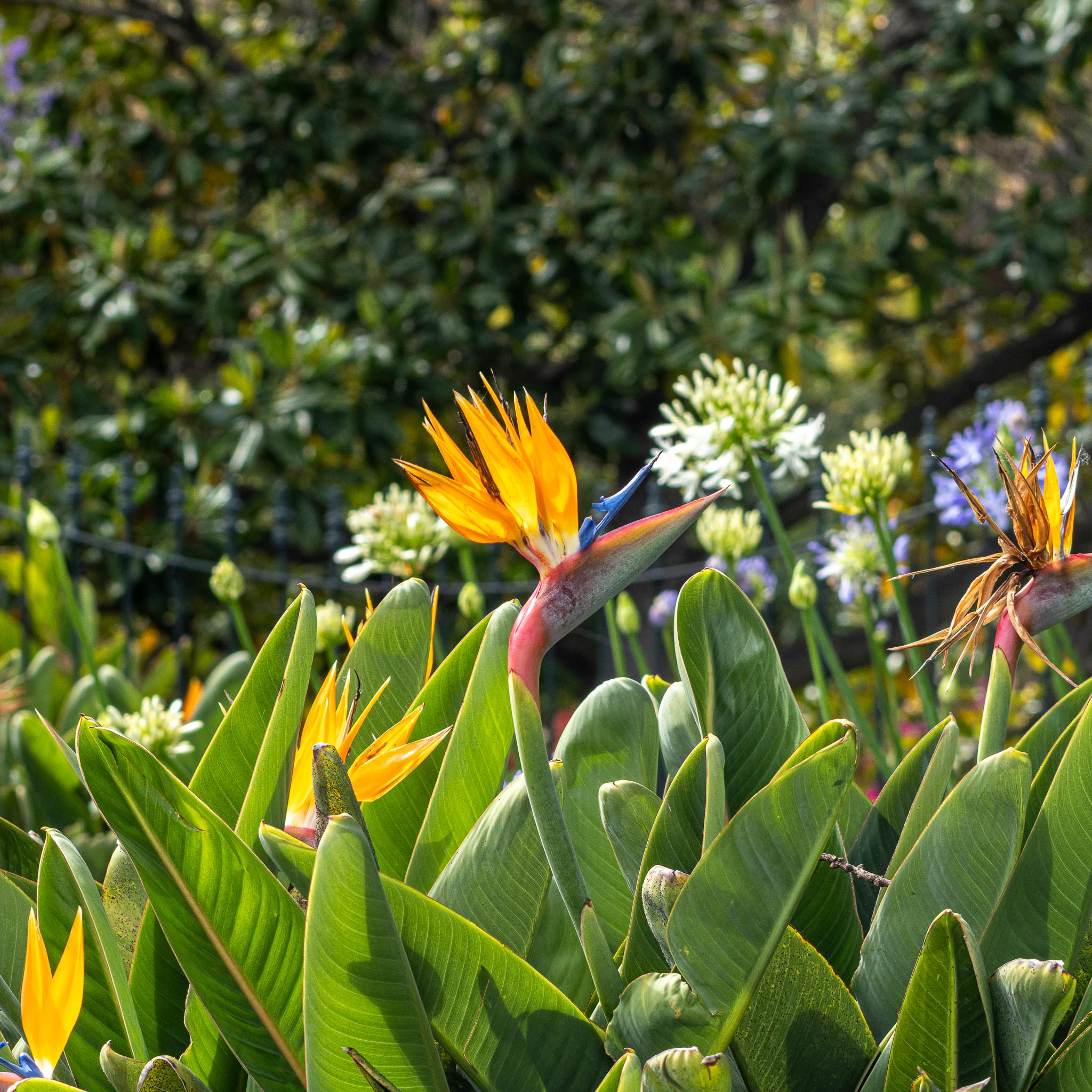
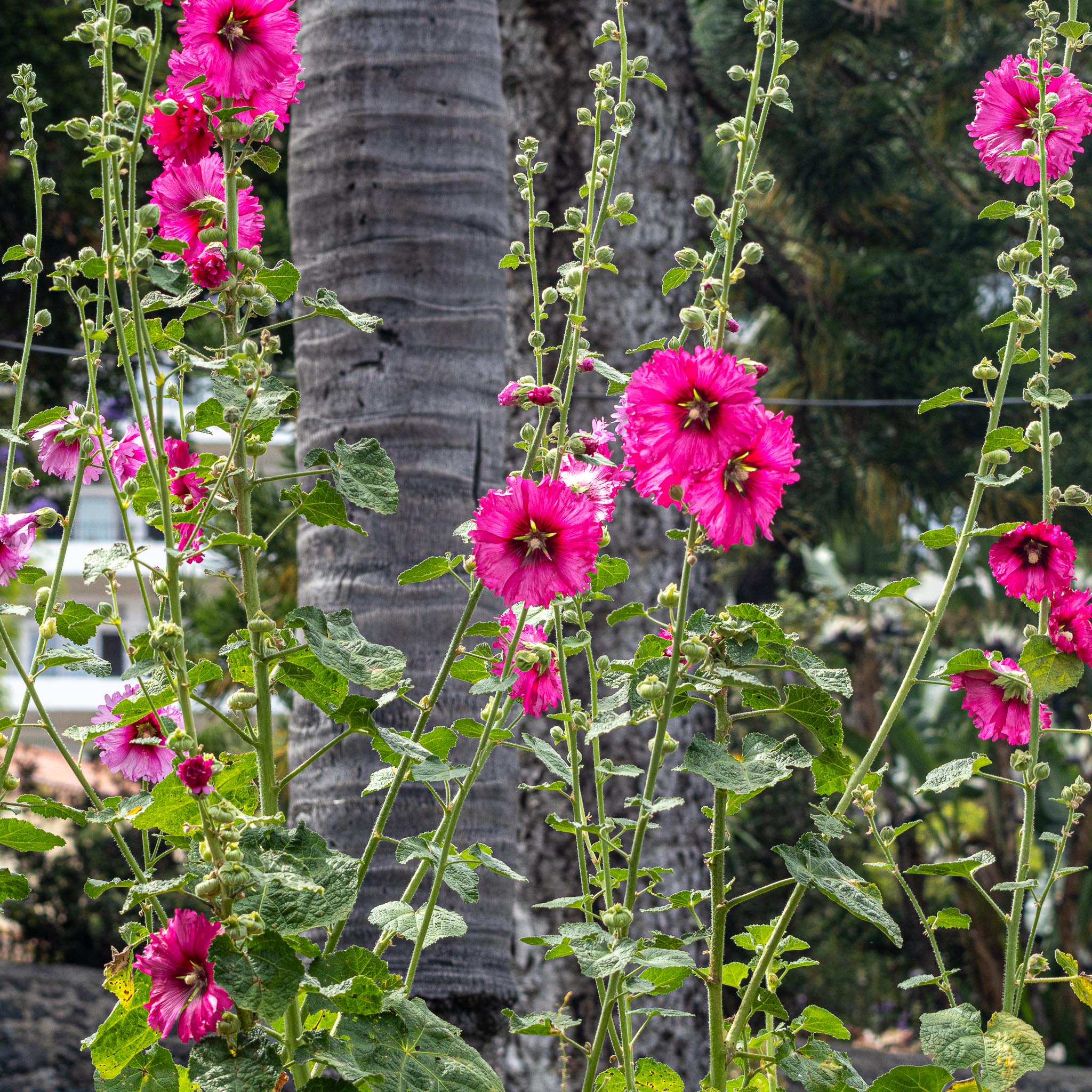
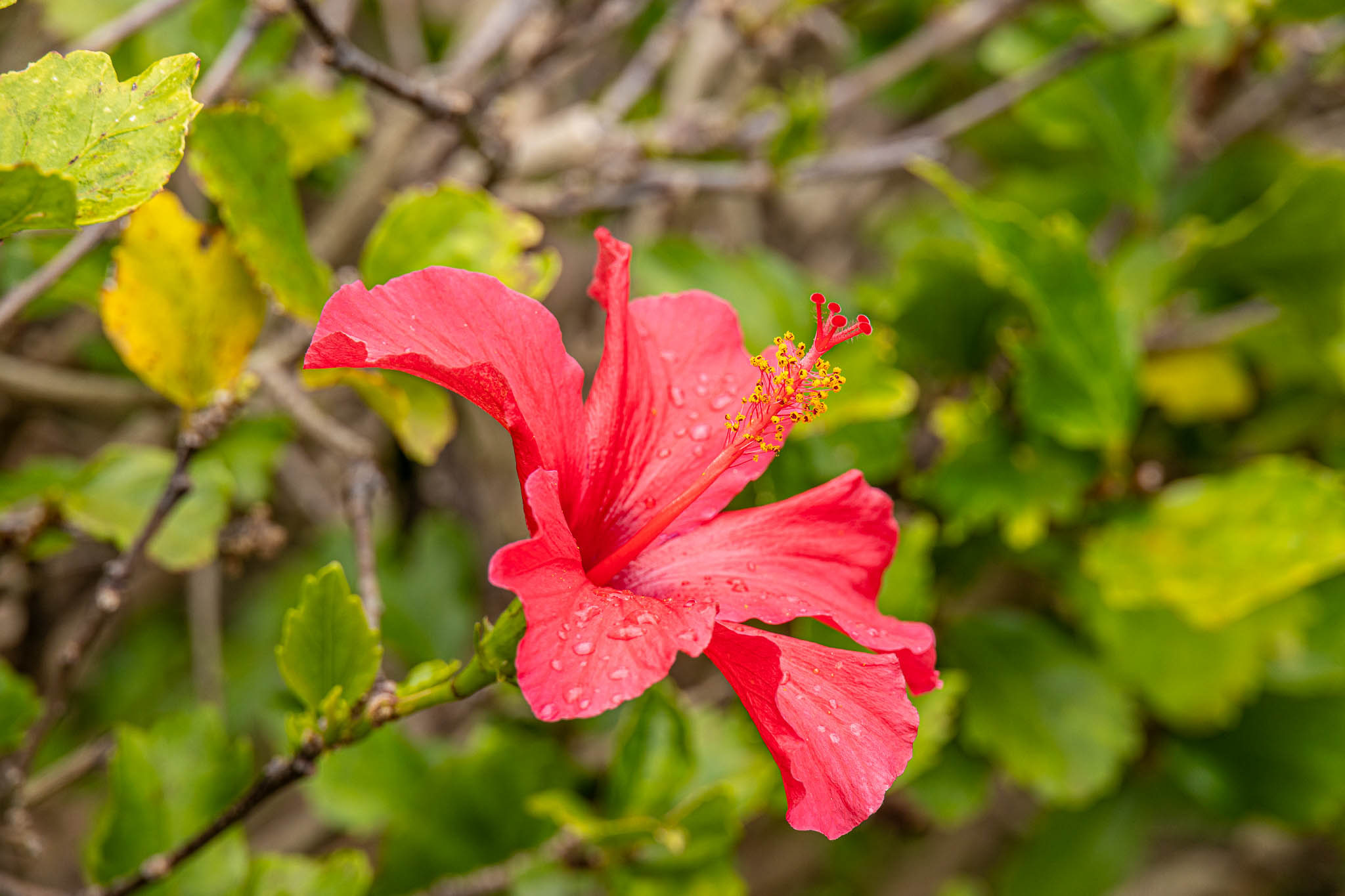
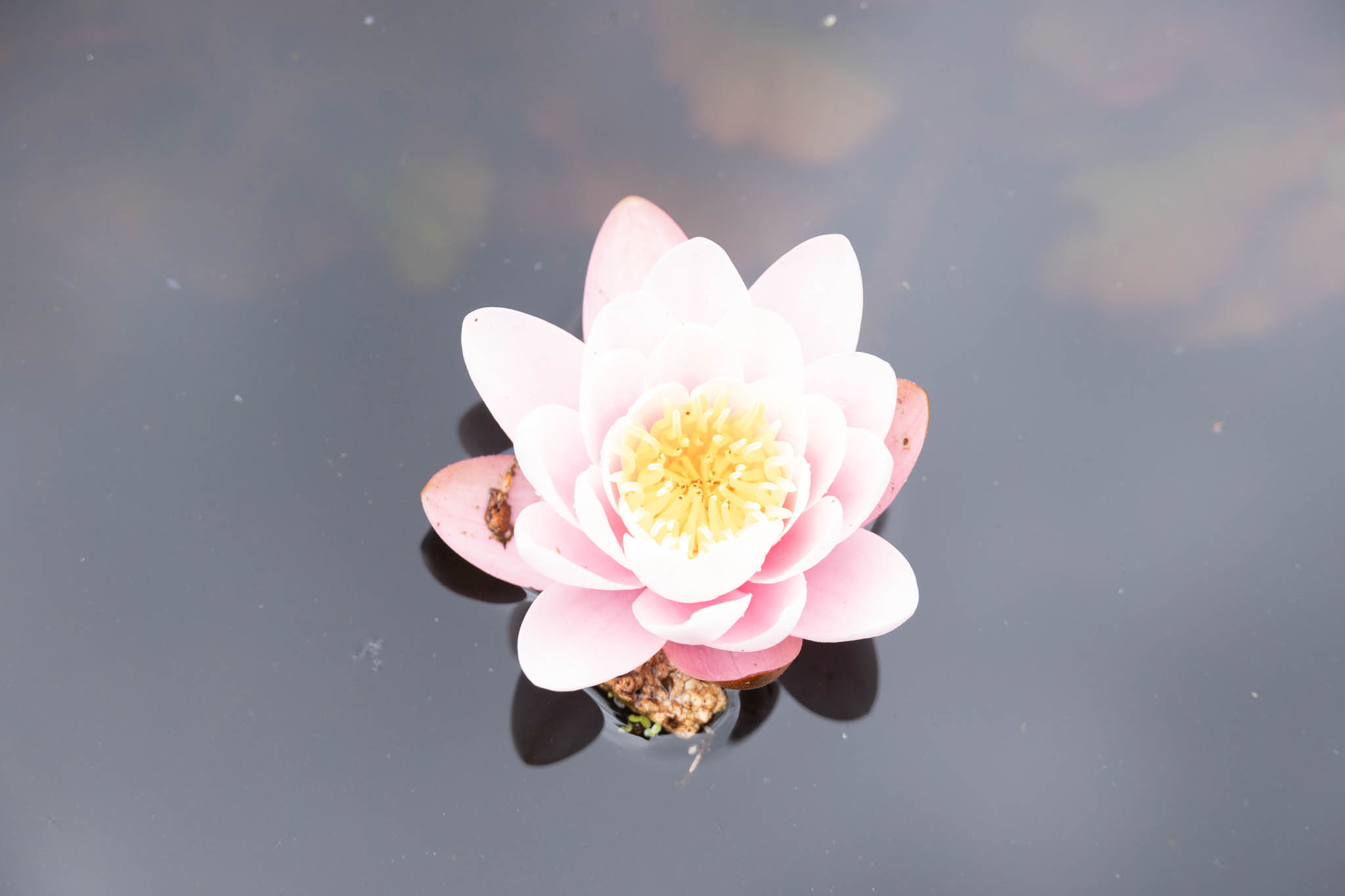
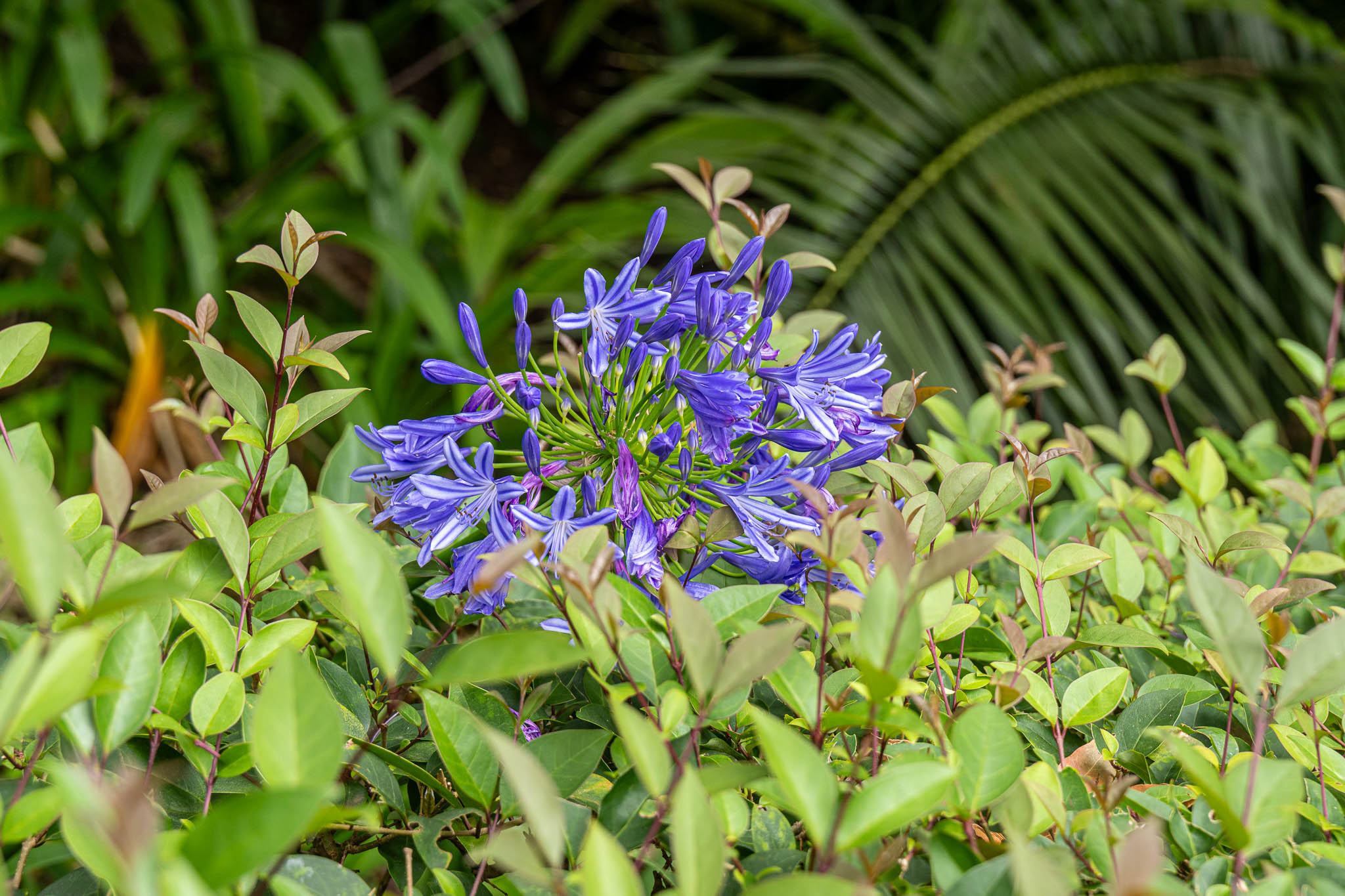
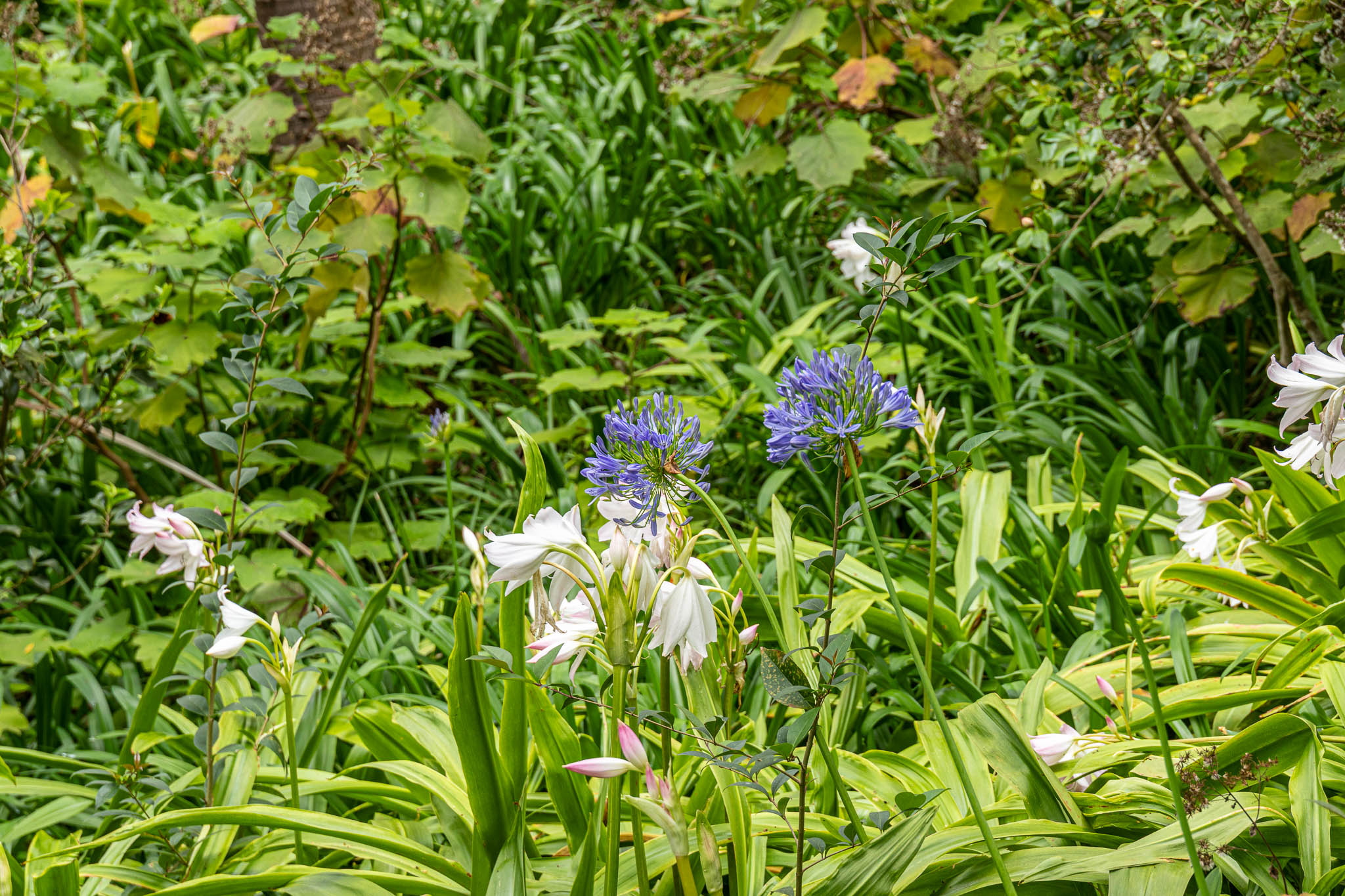
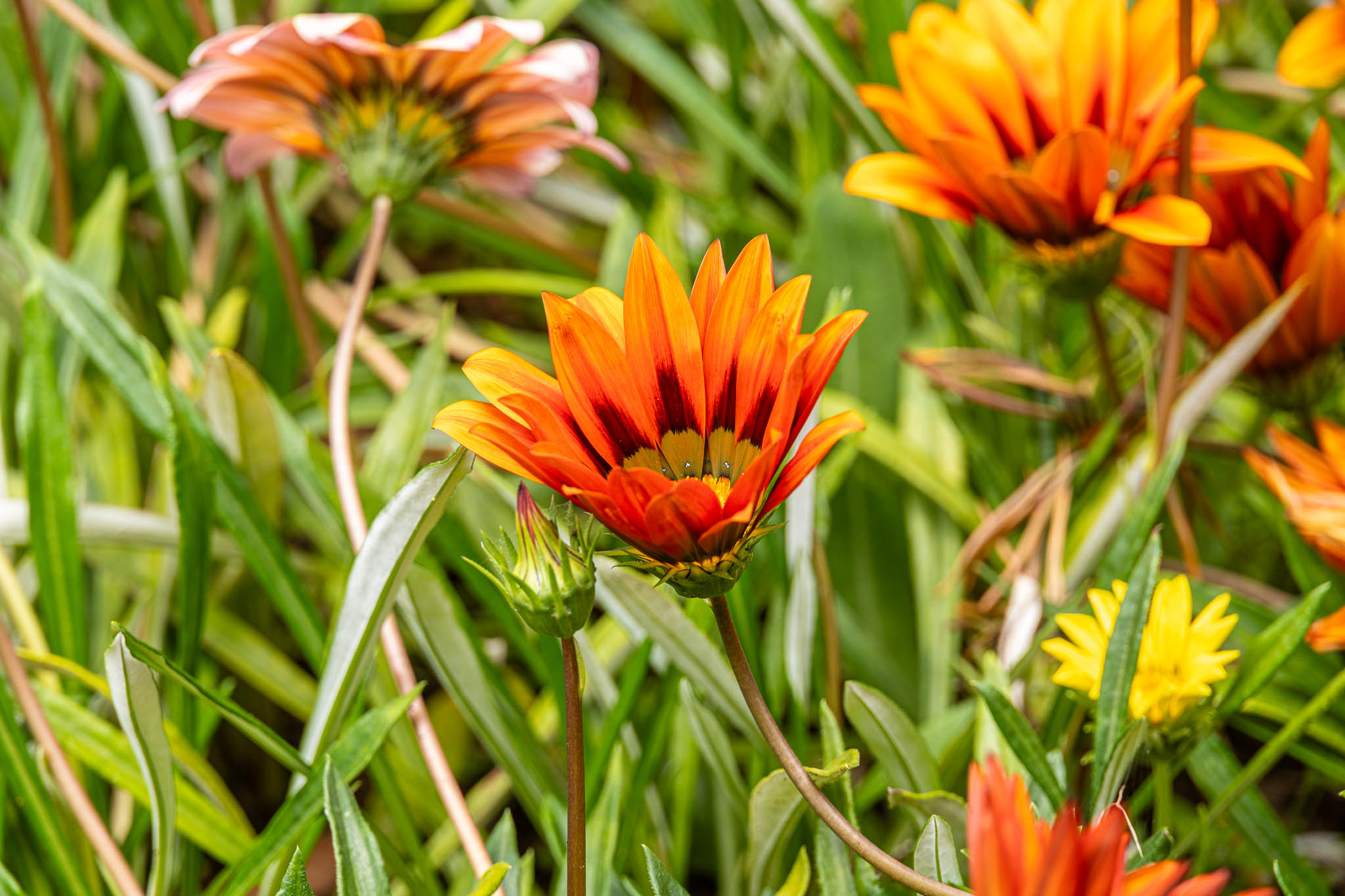
Madeira hosts an annual flower show which is a riot of colour. Because of the climate on the island, you see varieties of flower that you either don’t see in the UK, you don’t see them until later in the season or they are only seen in the UK indoors.
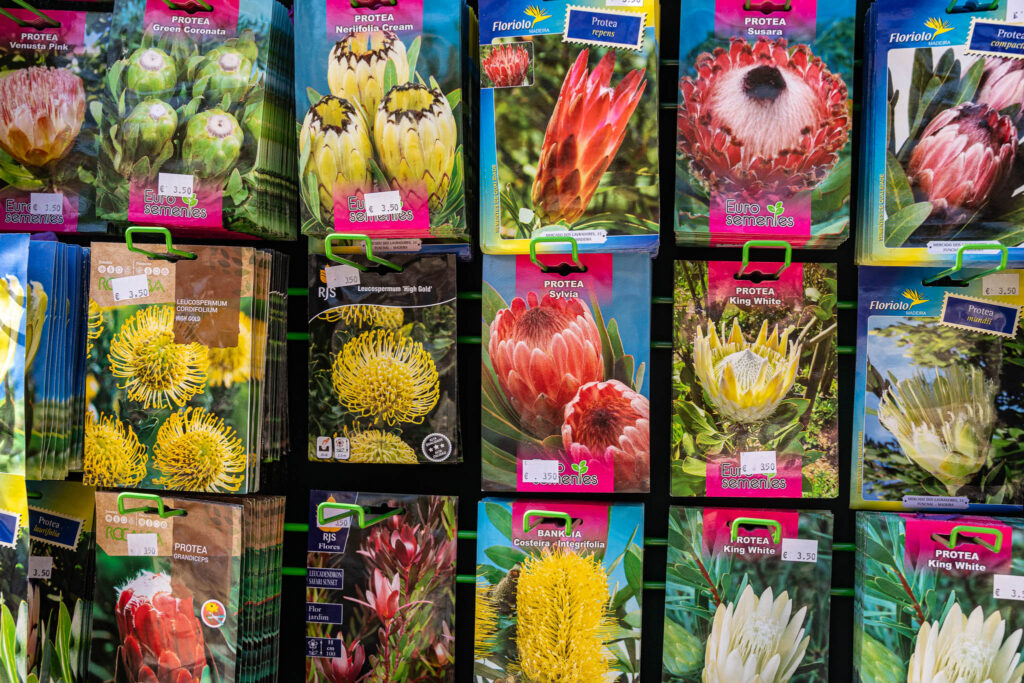
The seed packets were an interesting insight into the flora on Madeira
DAY 2 - WEST COAST TOUR
Everyone concentrates on Funchal. True that it’s population of 105,000 is a huge proportion of the island’s population of 257,000 and there is a lot going on there – there is much more to see in the rest of the island.
Today was a whistle-top tour of attractions from near to Funchal to the northwest tip of the island and back again mainly hugging the coastline which is extremely rugged.
First stop was Miradouro do Cabo Girão or the Cabo Girão viewpoint. The views from this high up point were spectacular. Looking out and around you really appreciate the coastline and hills. The viewpoint here is man made and features a glass floor. This did not appeal to me and why would I pay 5 euros to feel physical sick looking down!!
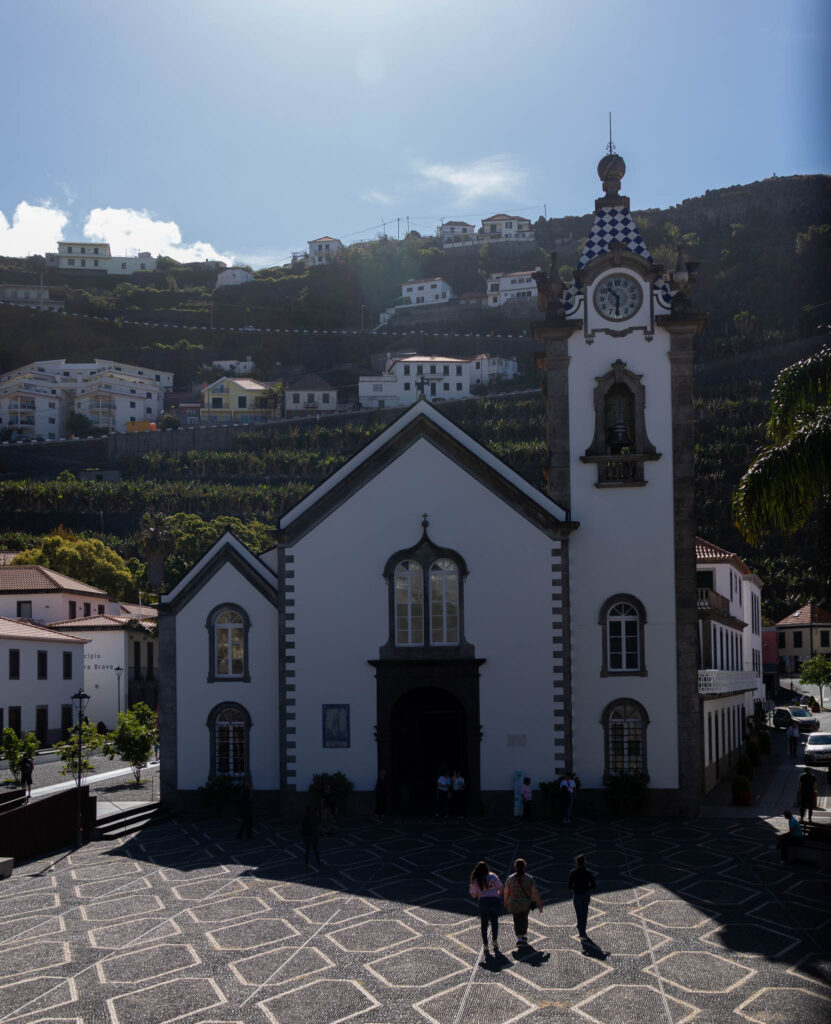
Next stop was Ribeira Brava, a pretty town on the coast. Bird life didn’t seem to be very prevalent on Madeira. My excitement was piqued by the appearance of a Grey Wagtail (which incidentally has a splash of yellow). It is a summer visitor to the UK
In common with many small birds, it was flighty and it had gone before I could get my camera ready.
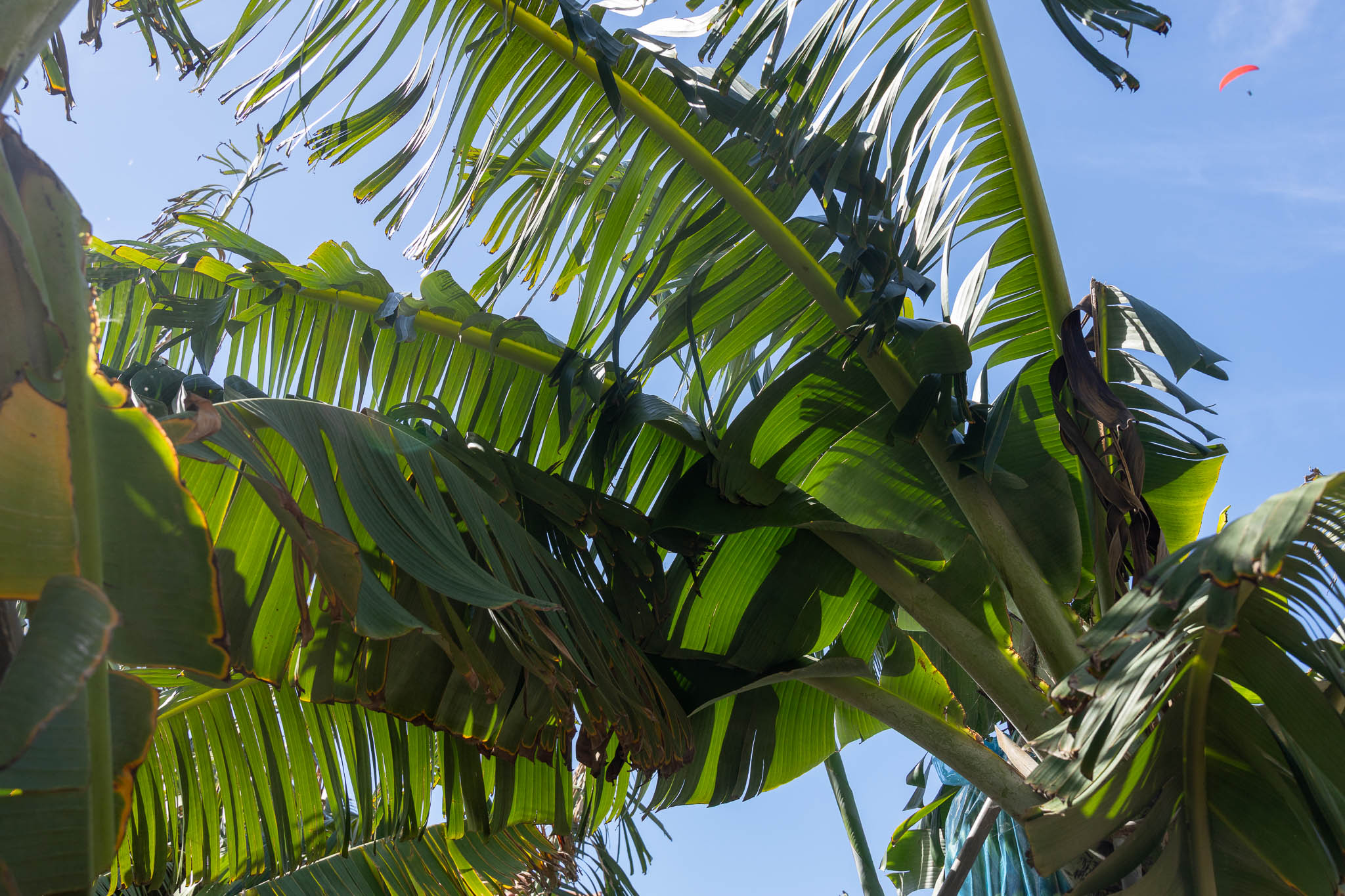
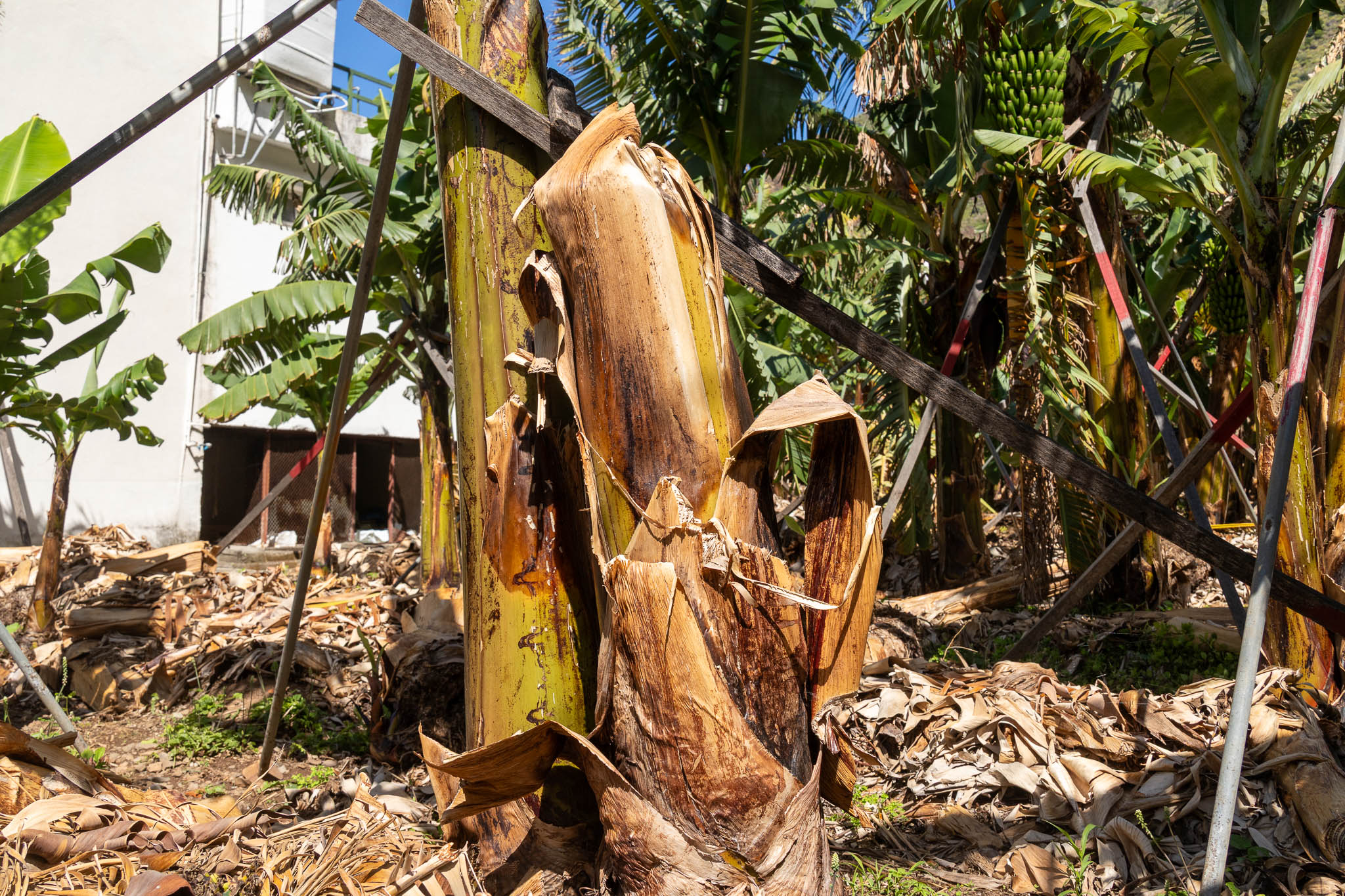
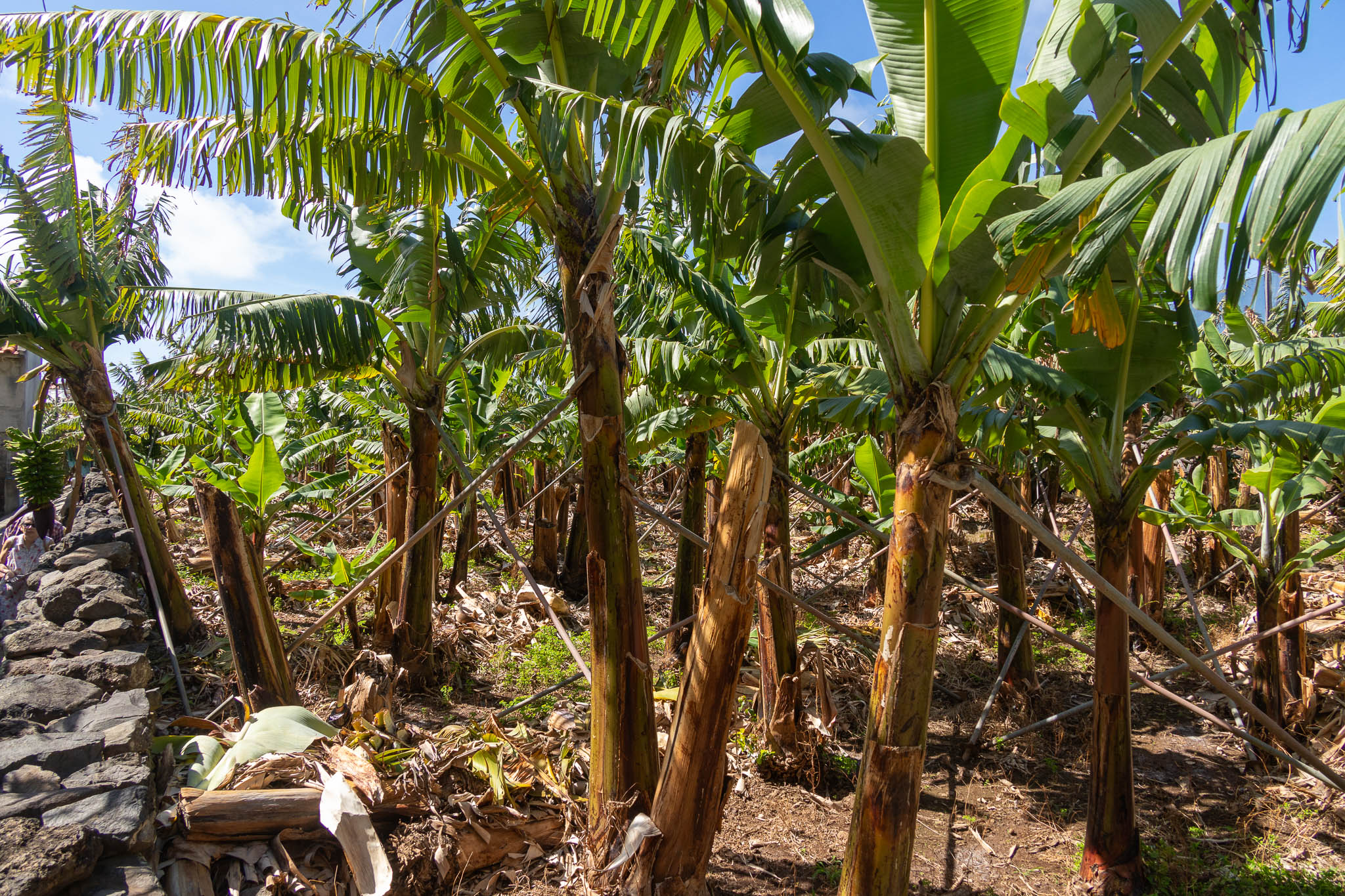
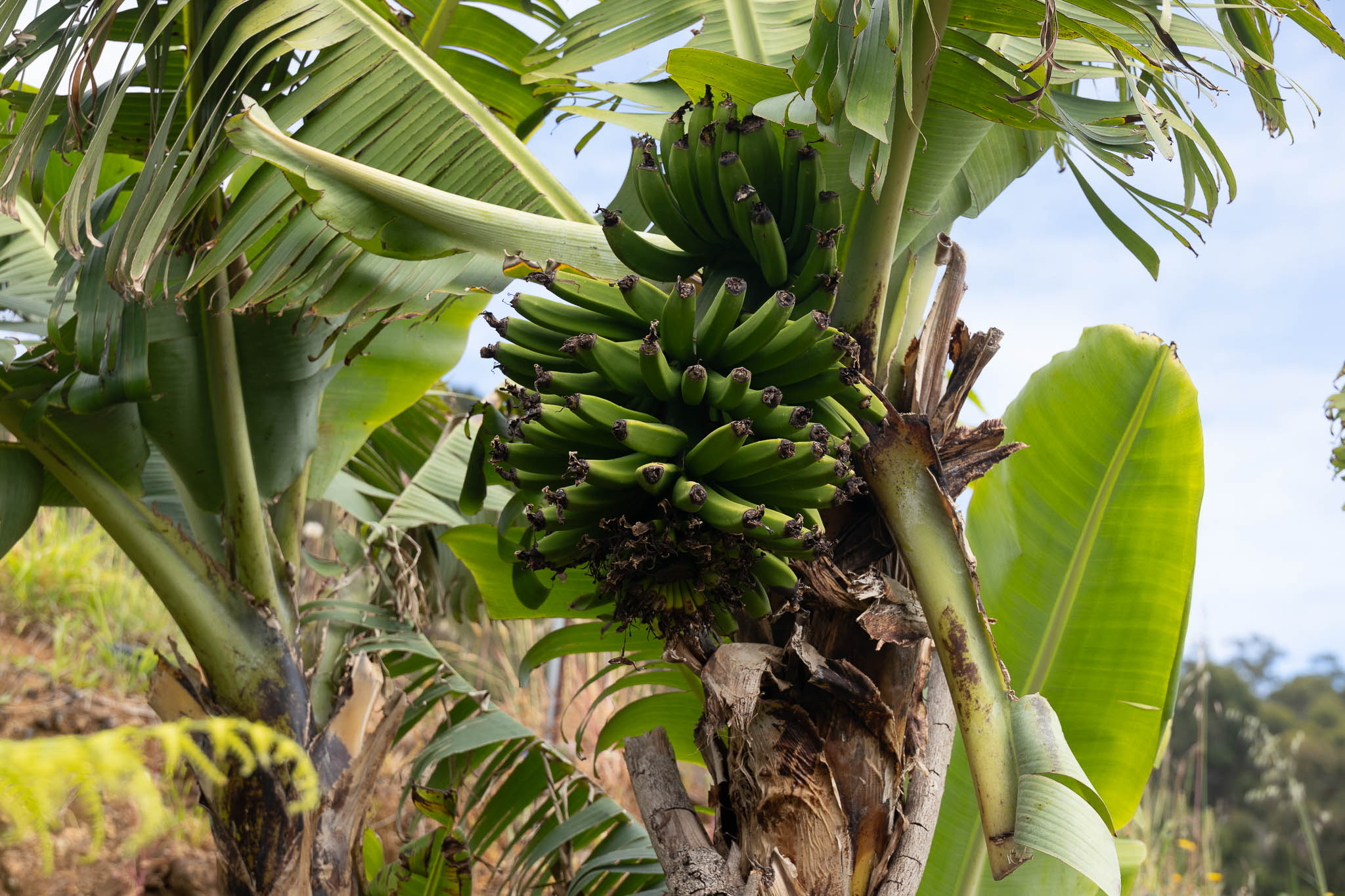
Our next stop was a banana plantation. Revelation here is that banana trees don’t last – their life cycle is between 9 and 16 months. If you looked at the trees in the plantation you will see three trees together – the mature tree that bears the fruit (Grandmother), the fledging (Daughter) and the sapling (Granddaughter. So, the cycle goes on – the fruit is harvested – the mature tree is cut down and becomes compost.
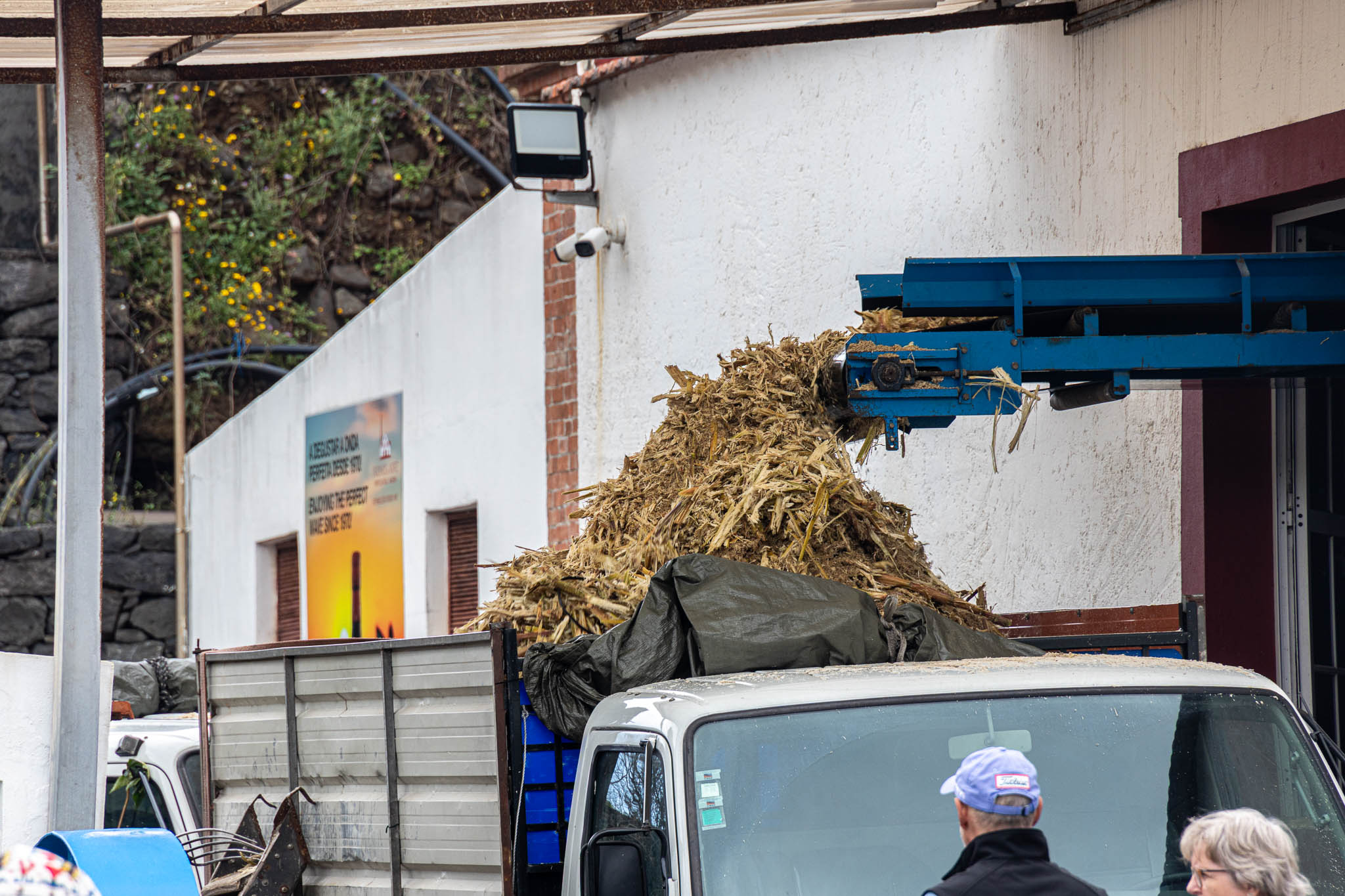
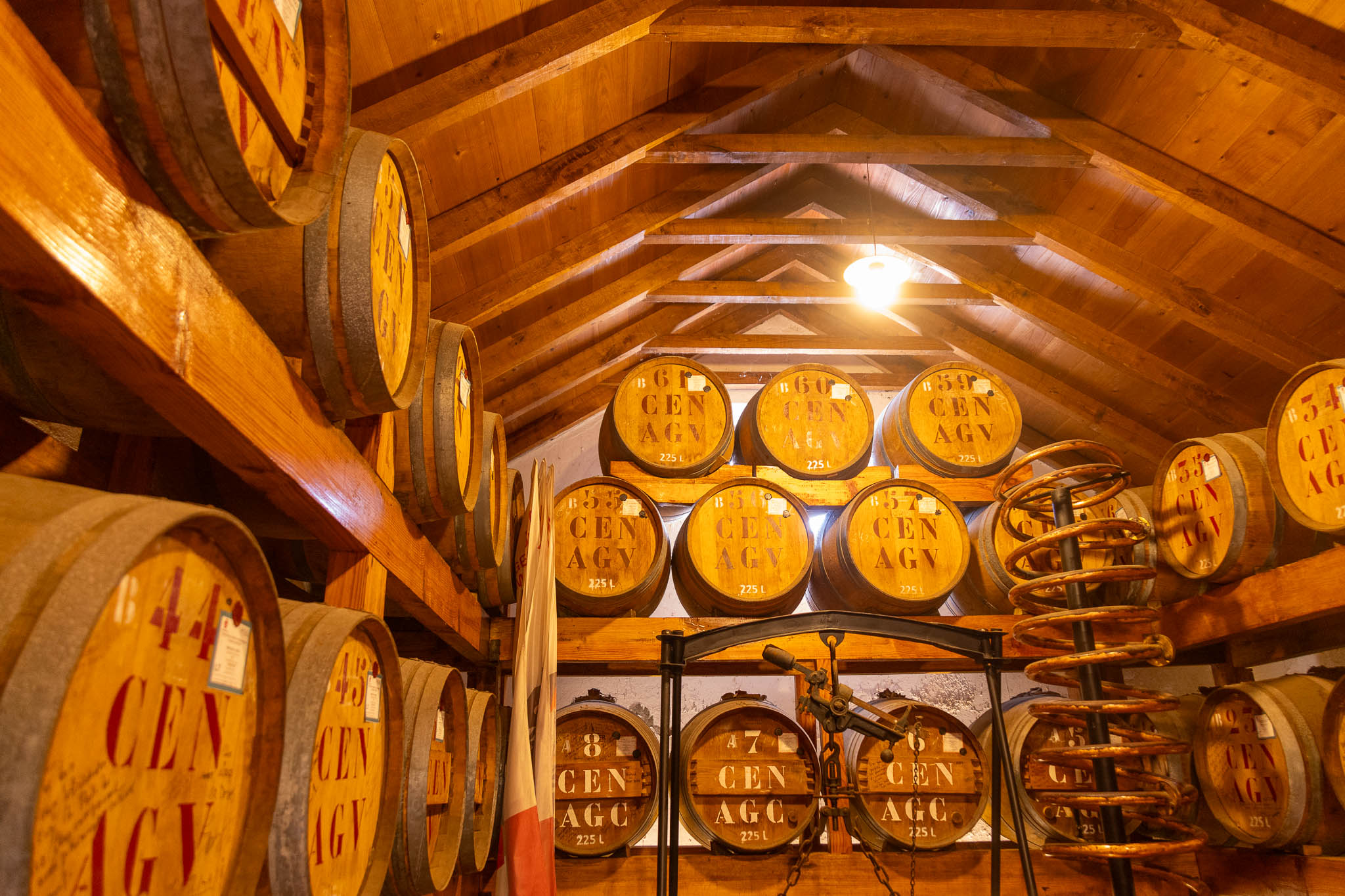
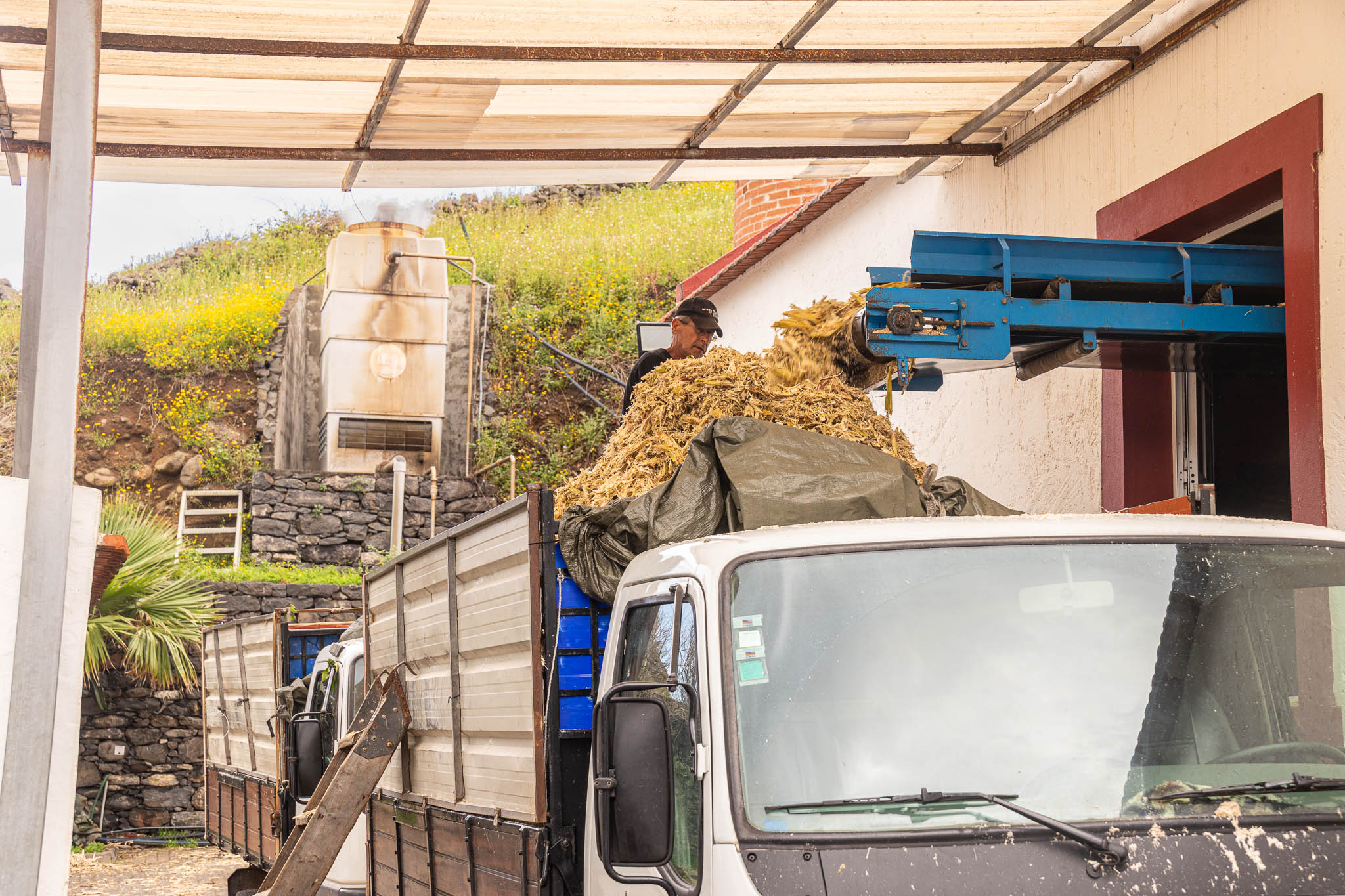
Next was a visit to a rum factory. In the 15th and early 16th centuries, Madeira was the world’s largest producer and exporter of sugarcane. Known as “white gold,” Madeiran sugar flooded European markets and fuelled early capitalism. However, this historic boom collapsed by the mid-1500s due to deforestation and competition from larger colonies. Today, Madeira no longer exports raw sugar. Instead, remaining sugarcane is locally processed into agricultural rum (aguardente) and sugarcane honey (molasses), which are staples of the island’s gastronomy (used in traditional Poncha and Bolo de Mel cake).
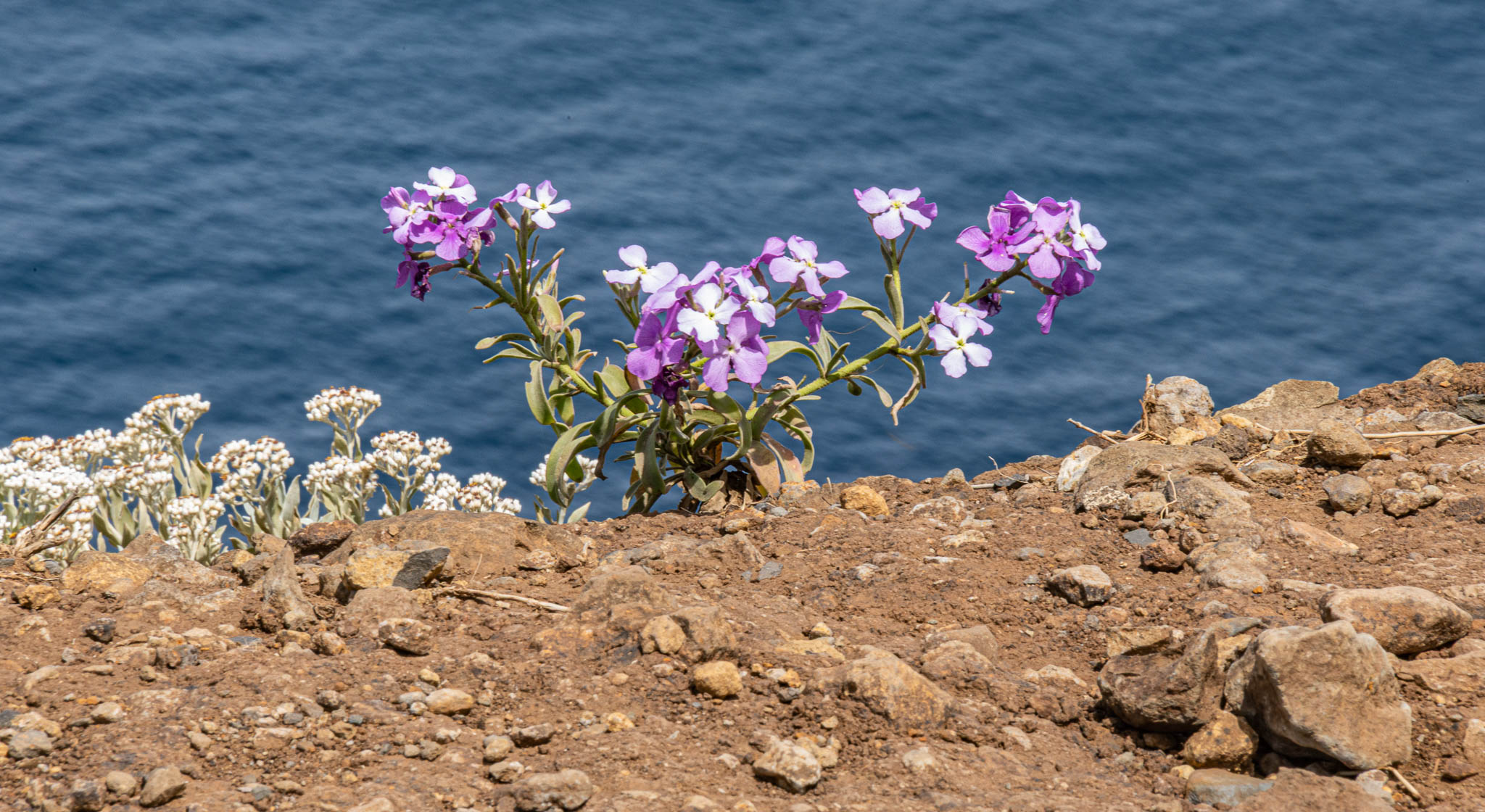
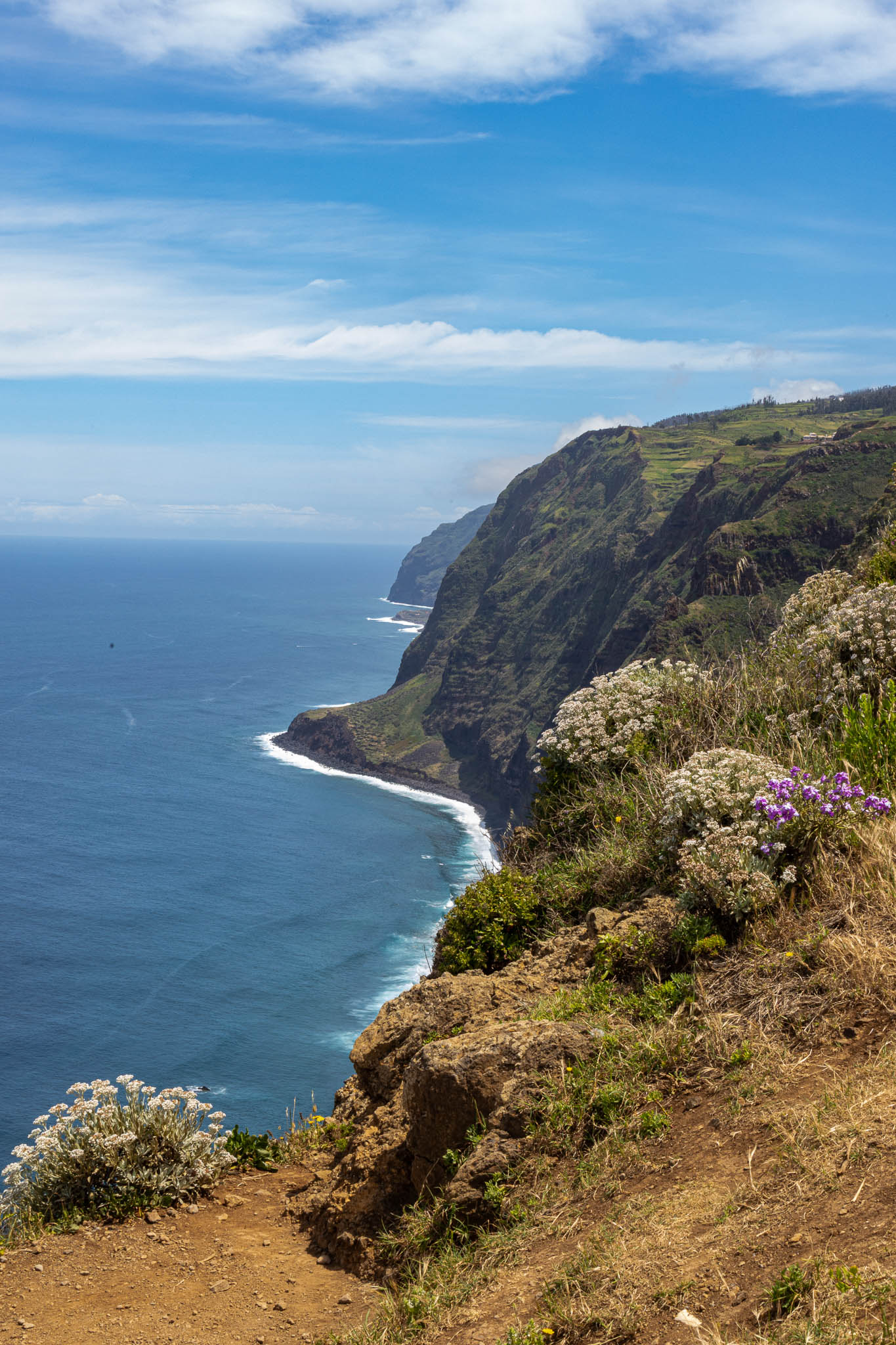
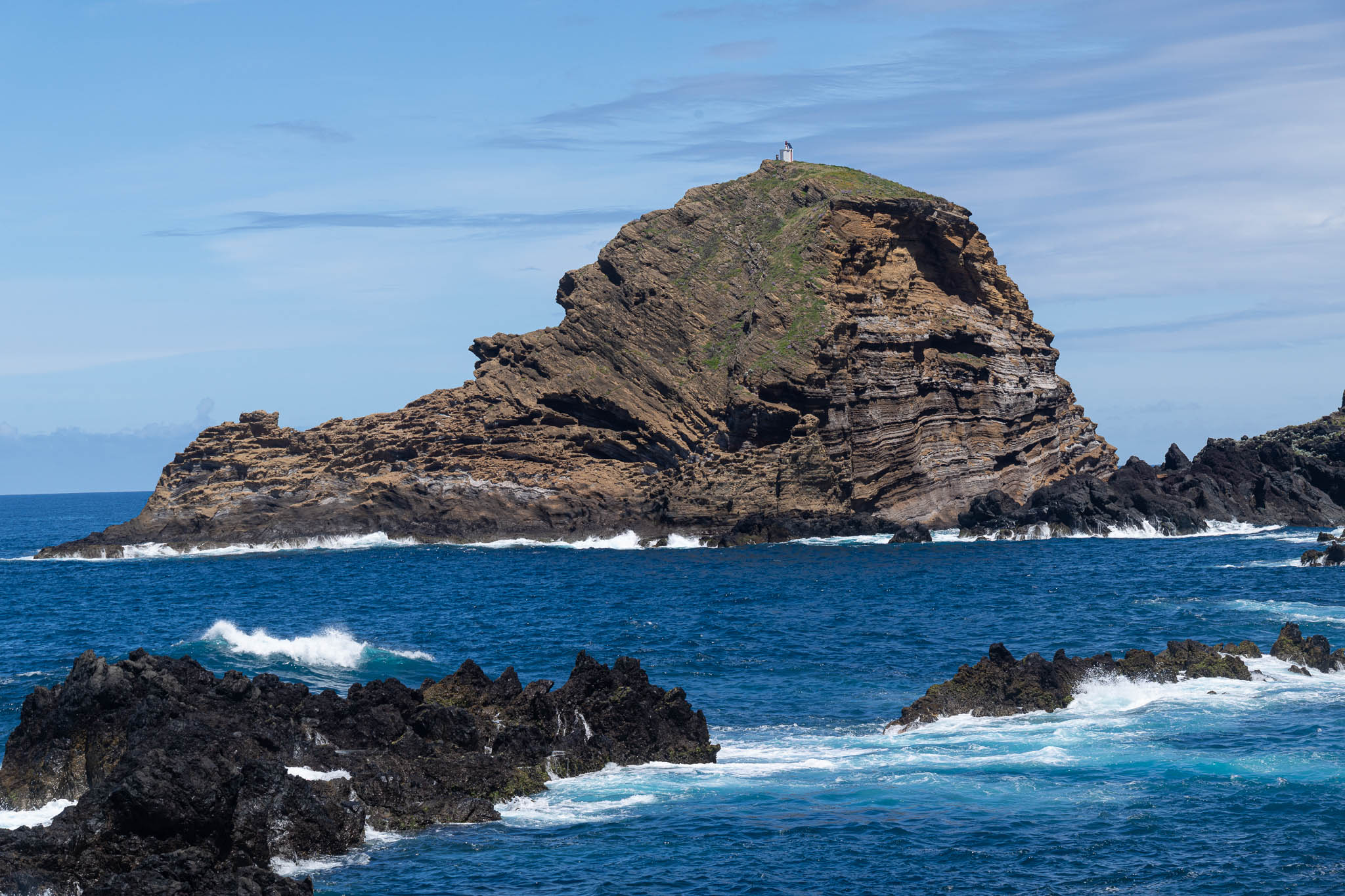
This was indeed a day of many stops the next being Miradouro Farol da Ponta do Pargo at first. The Farol da Ponta do Pargo is an active lighthouse located in Ponta do Pargo, Madeira, Portugal. The lighthouse was built in 1922 on top of Ponta Vigia, a rocky cliff escarpment and has a focal height of 312 metres. An unassuming building with a beautiful view of the Atlantic Ocean. The two features that caught my eye were the flowers that were literally growing on the edge. The second was at first obscured by a family wishing to take a photo. Then as they moved away the view opened out to show the rugged but beautiful coast.
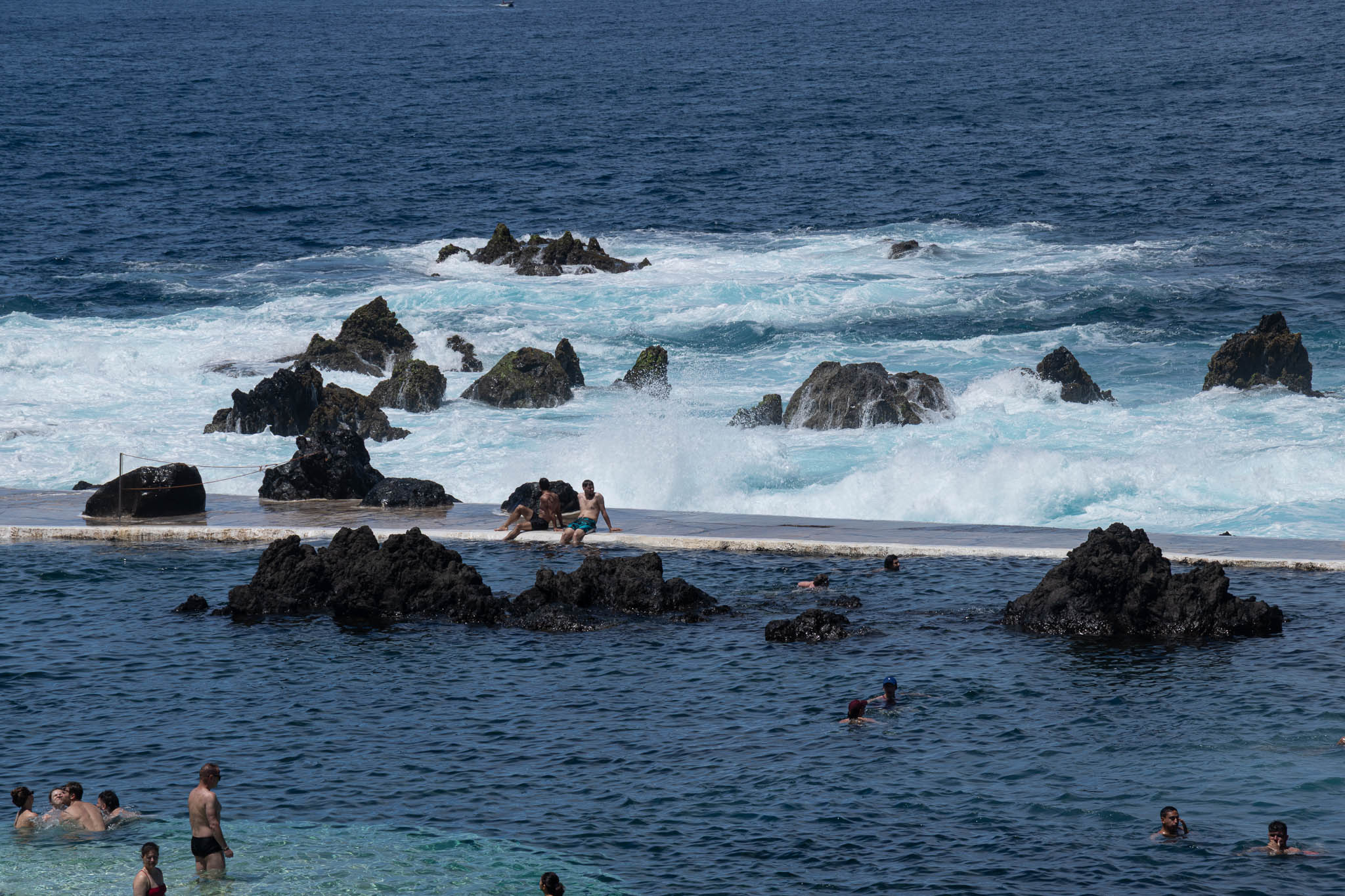
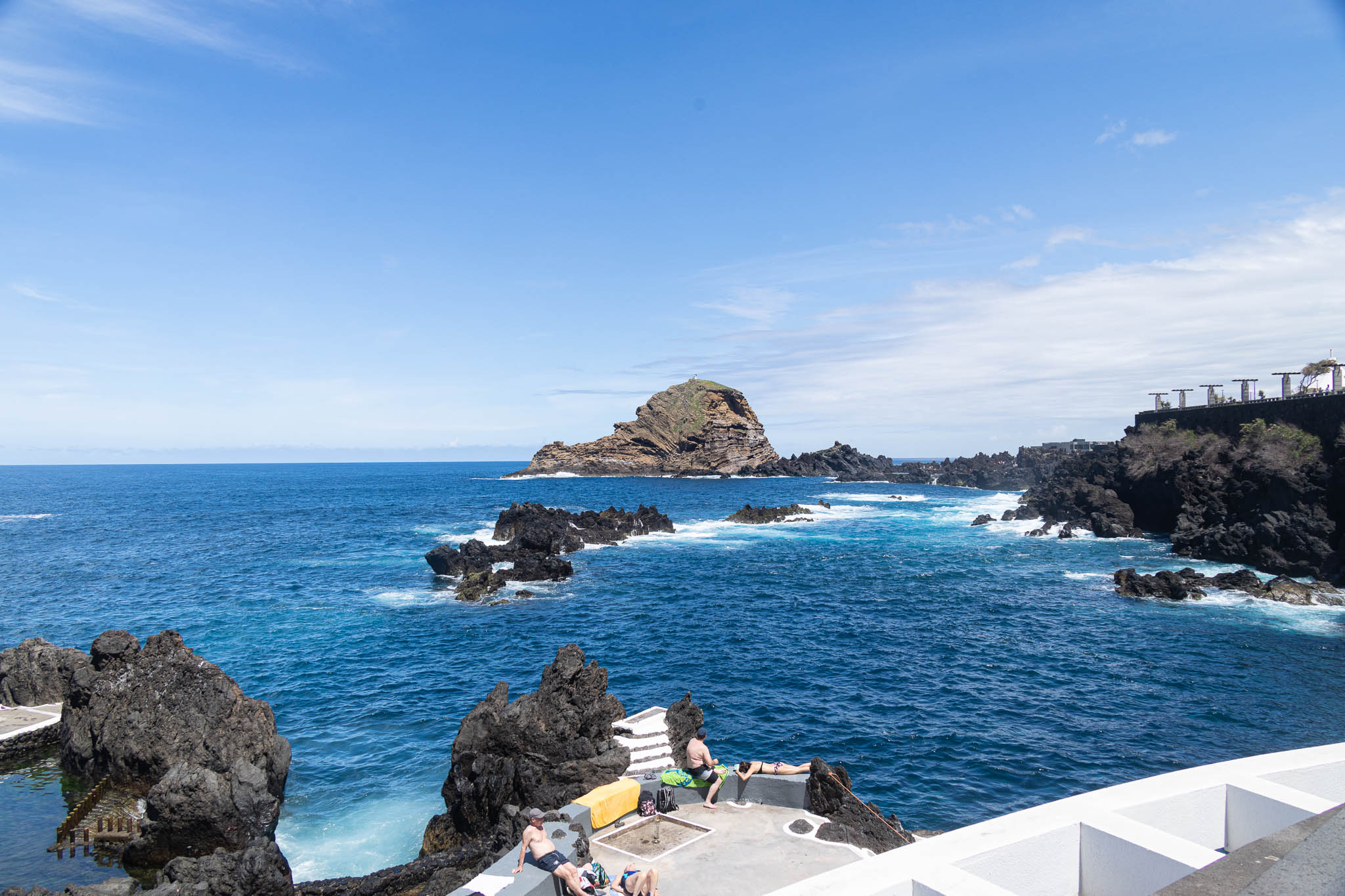
A longer stop was at Porto Moniz. Situated at the Northwestern tip of the island set in a beautiful bay it is probably fair to say that this is the nearest Madeira comes to being like Tenerife and Gran Canaria – a beach resort with large rock pools and a café restaurant culture
We continued along the North coast heading east on our way back to Funchal about 28 miles away. I have made the classic mistake of not paying attention to the place names but enjoy the photos anyway.
DAY 3 - LEVADA WALK AND FUNCHAL FLOWER FESTIVAL
You can’t visit Madeira and not mention or visit a Levada.
A Levada is an irrigation channel or aqueduct specific to Madeira. Madeira is wet in the northwest, but dry in the southeast. In the 16th century the Portuguese started building levadas (aqueducts) to carry water to the agricultural regions in the south. Due to the island’s mountainous landscape, building levadas promised to be a difficult venture, often tasked to criminals and convicts from continental Portugal. Many are cut into the mountainsides, accompanied by 40 km (25 mi) of tunnels, some of which are still accessible.
Today Levadas supply water and also provide hydro-electric power. Over 2,170 km (1,350 mi) of Levadas were built and later provided a network of walking paths. Paths can provide easy and relaxing walks through the countryside, while others are narrow, crumbling ledges where a slip could result in injury or death. Some improvements have been made to these pathways following the 2010 Madeira floods and mudslides. Such improvements involved the continuous maintenance of streams, paving trails, and establishing safety fences on dangerous stretches.
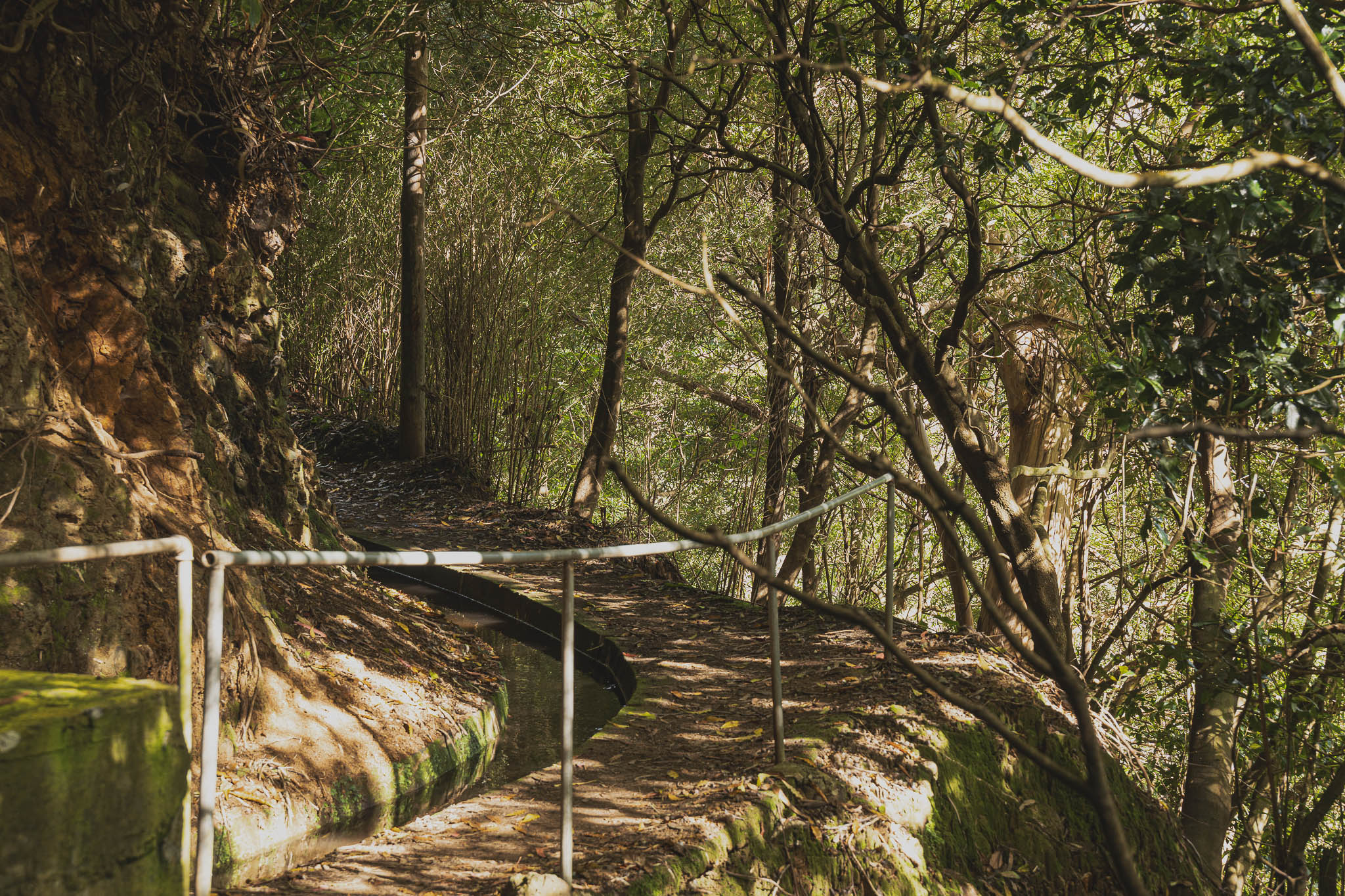
The Levada we visited was in the hills to the Northeast of Funchal -the Levada da Referta and Castelejo
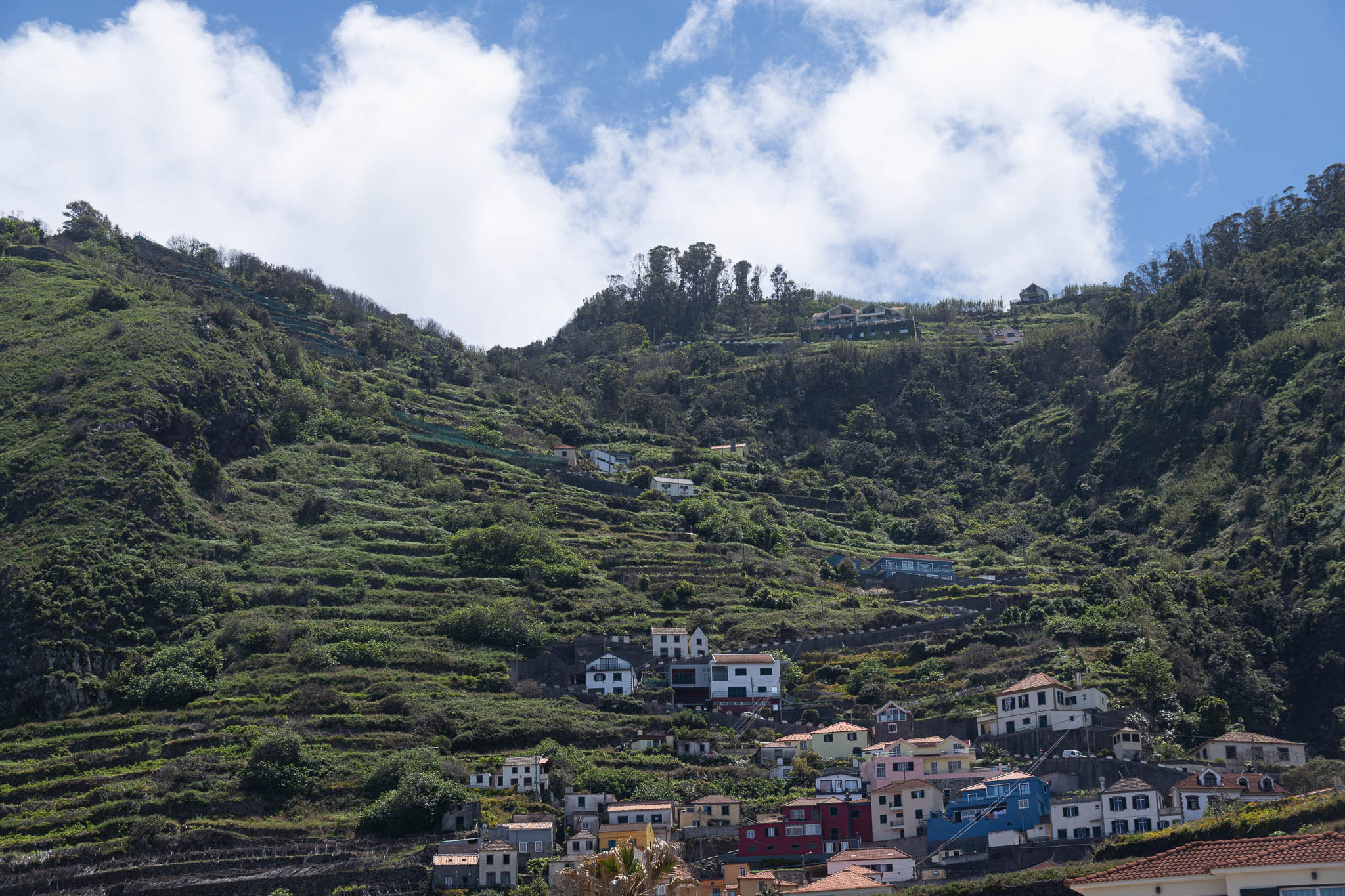
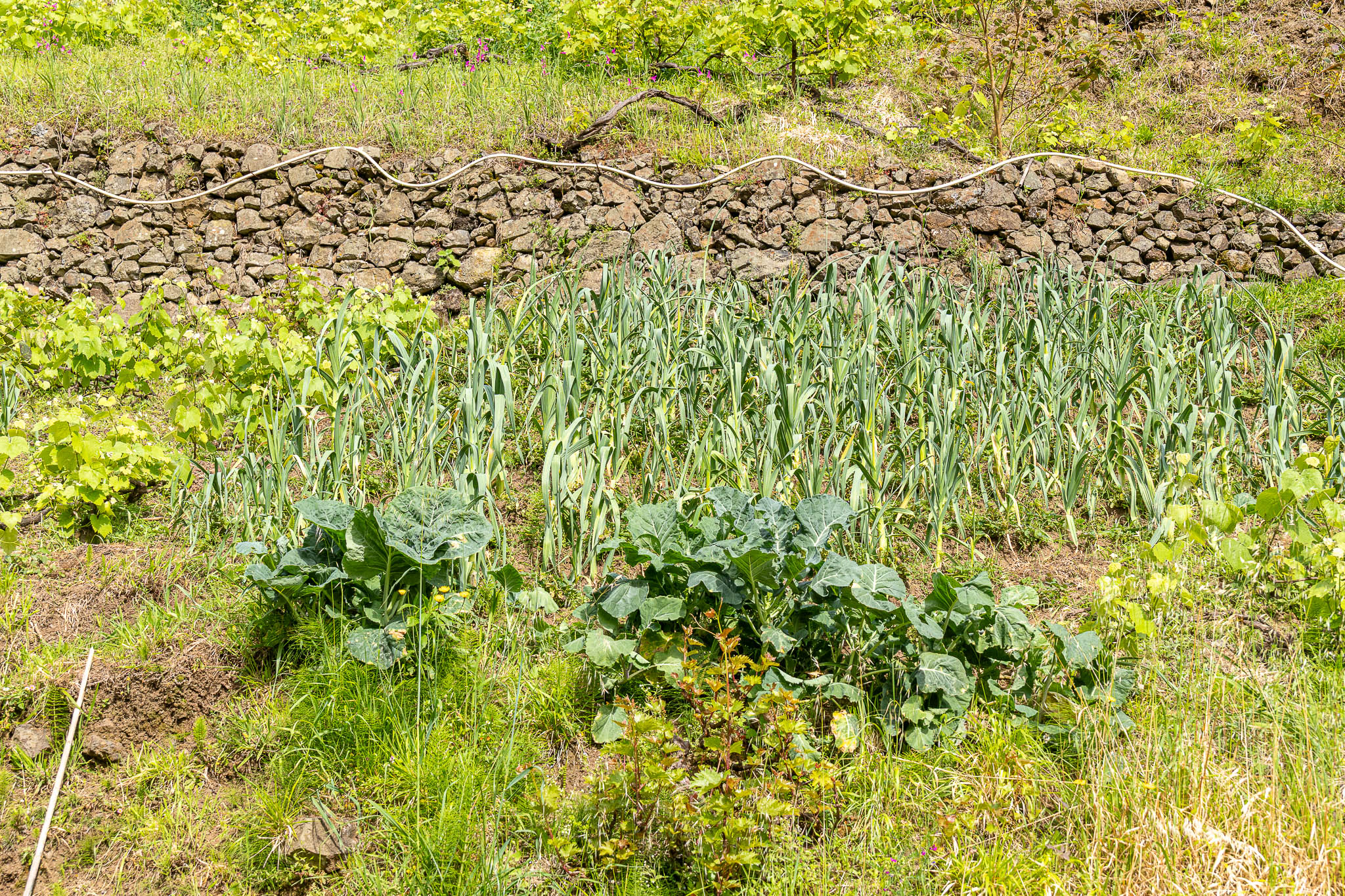
It was a scenic walk that starts in the rural area of Porto da Cruz and leads into a thick laurel forest. We saw more than one vineyard clinging to the steep hillsides as well as small holdings with small patches of crops growing in places difficult to harvest. There were houses clearly occupied all the year round. The only access to the houses was along the Levada that we had just walked along – around 1 ½ miles from the nearest road – peaceful but a long way to carry shopping – an uneven path with water on one side and a sheer drop on the other. The walk was described as easy to moderate but not with danger – I managed to stumble.
It was a scenic walk that starts in the rural area of Porto da Cruz and leads into a thick laurel forest. We saw more than one vineyard clinging to the steep hillsides as well as small holdings with small patches of crops growing in places difficult to harvest. There were houses clearly occupied all the year round. The only access to the houses was along the Levada that we had just walked along – around 1 ½ miles from the nearest road – peaceful but a long way to carry shopping – an uneven path with water on one side and a sheer drop on the other. The walk was described as easy to moderate but not with danger – I managed to stumble.
The weather in Madeira is unpredictable. The morning here was delightfully sunny but it can change.
This situation is not untypical of the climate and some days there is a distinct North-South divide. Fog is another factor – football matches are often called off and flights in and out are often delayed.
The journey back to Funchal was 16 ½ miles and as we approached the outskirts the clouds were rolling in a persistent drizzle descended for the rest of the day.
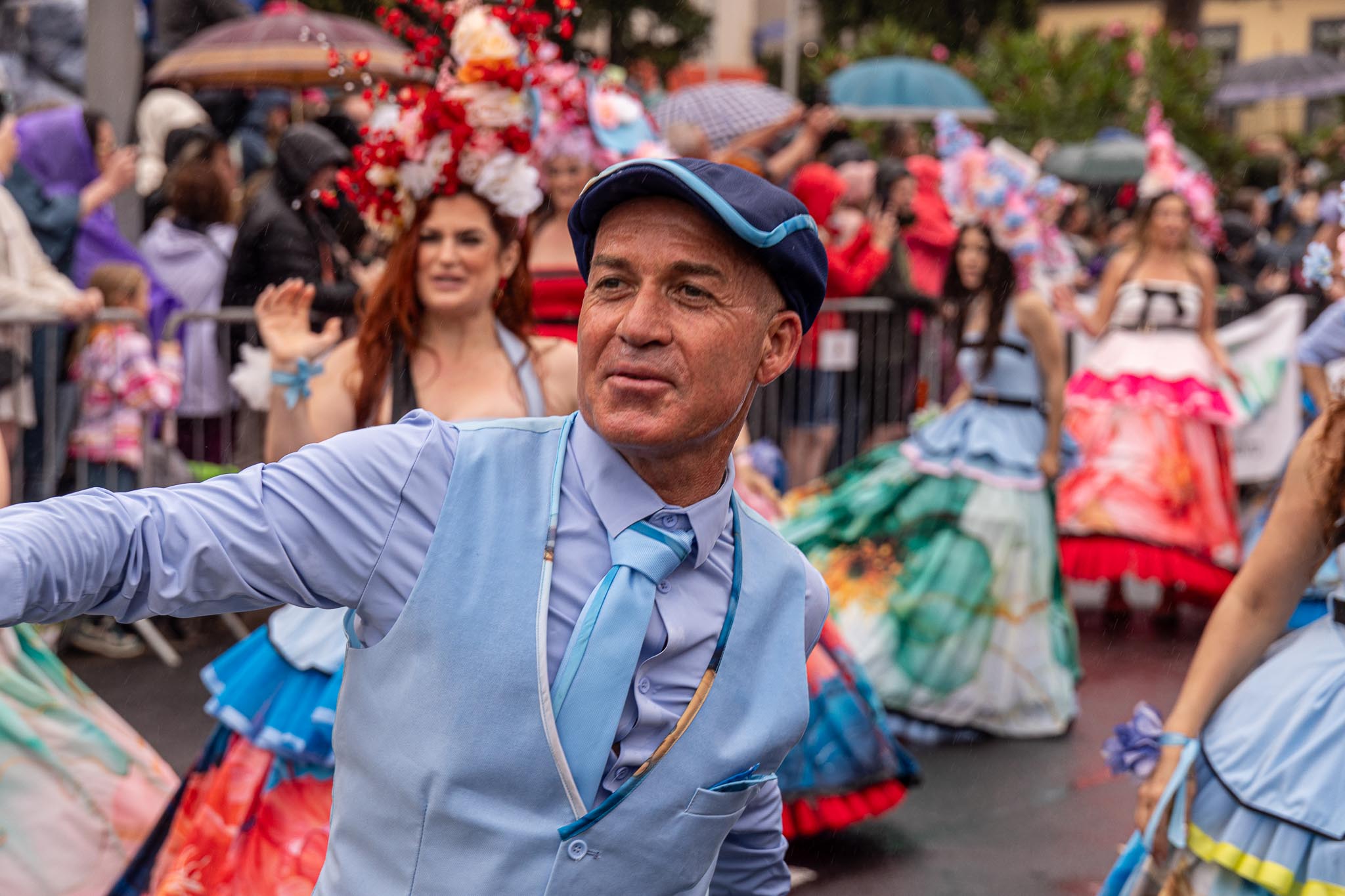
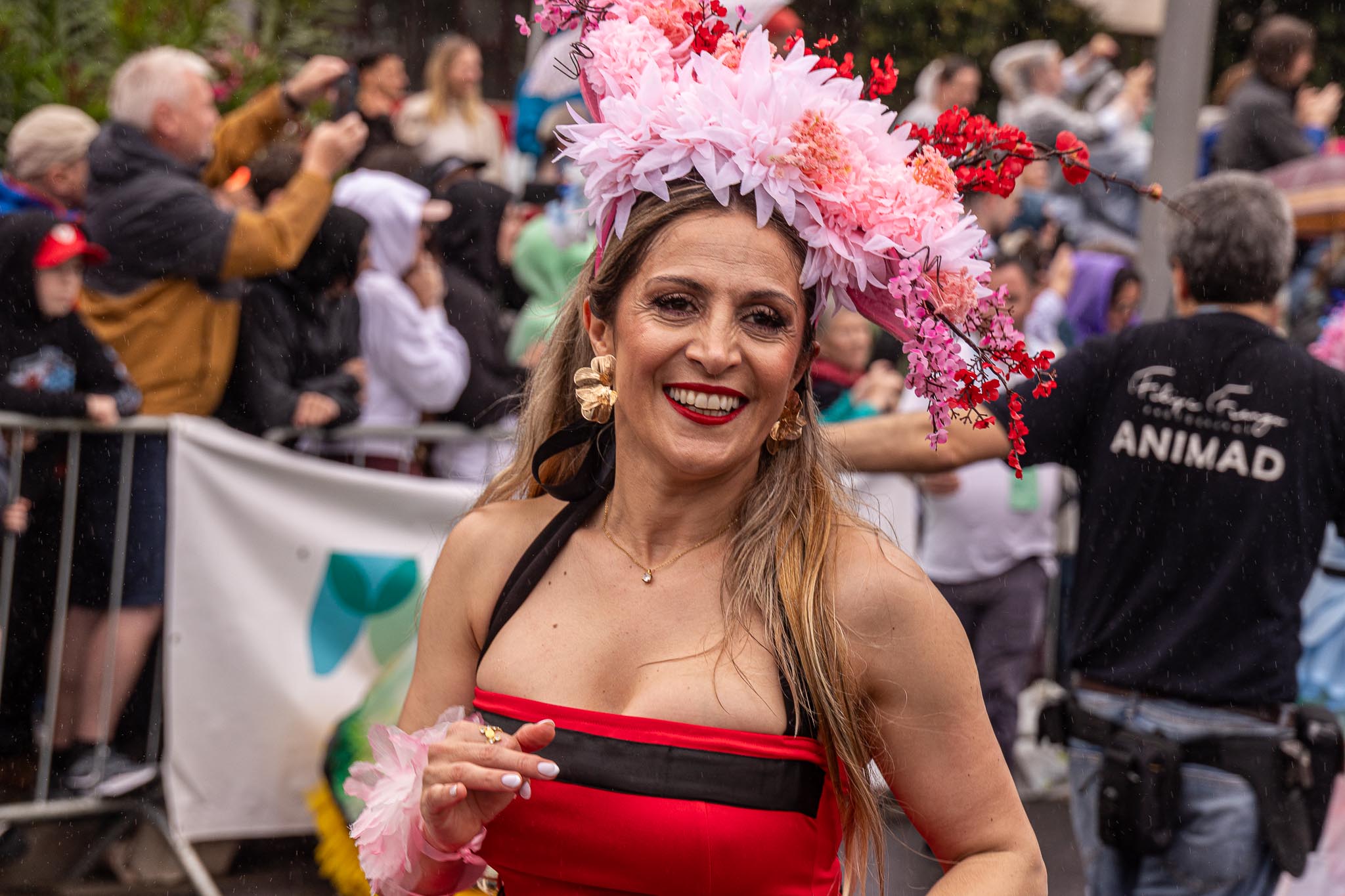
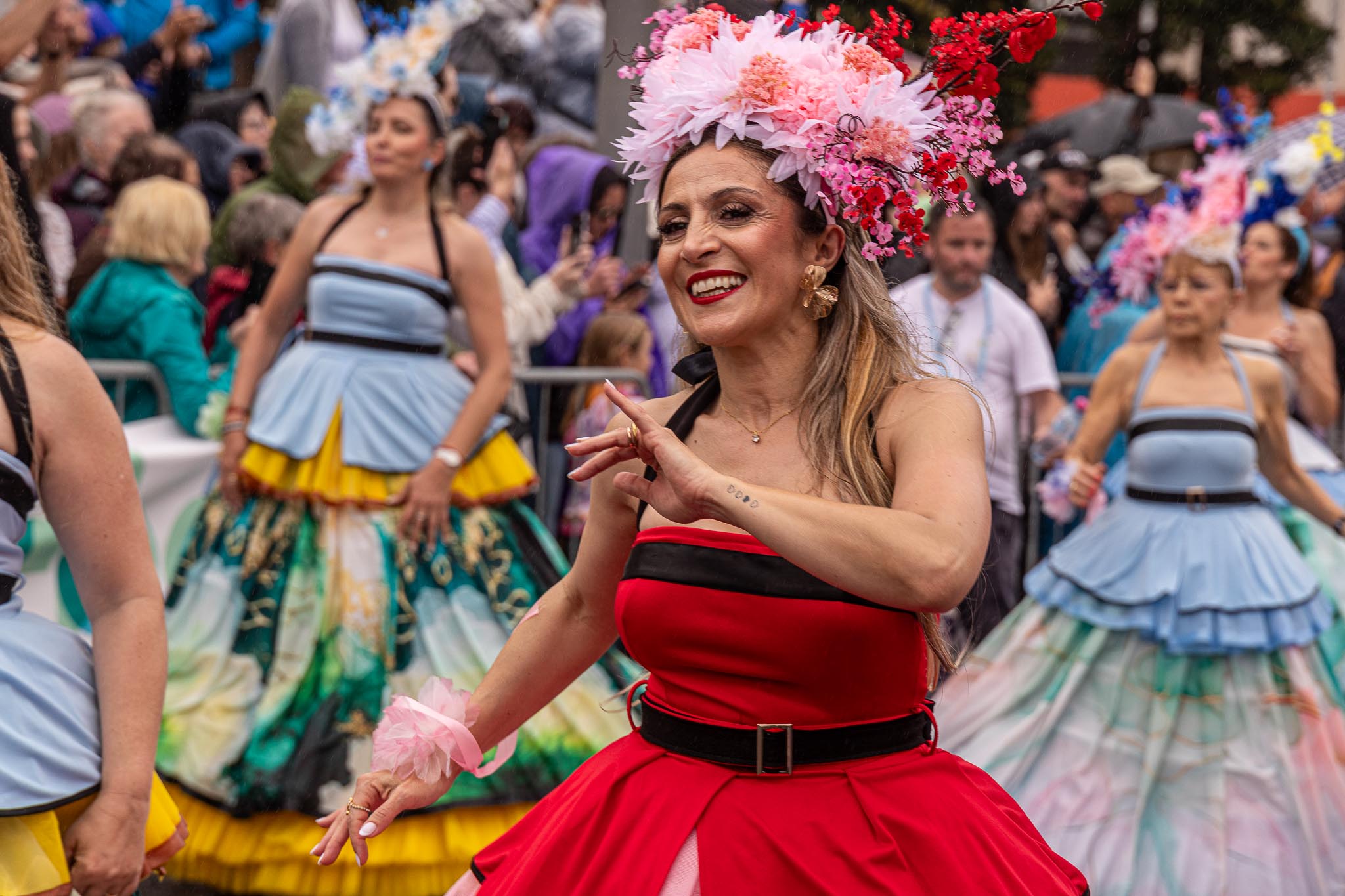
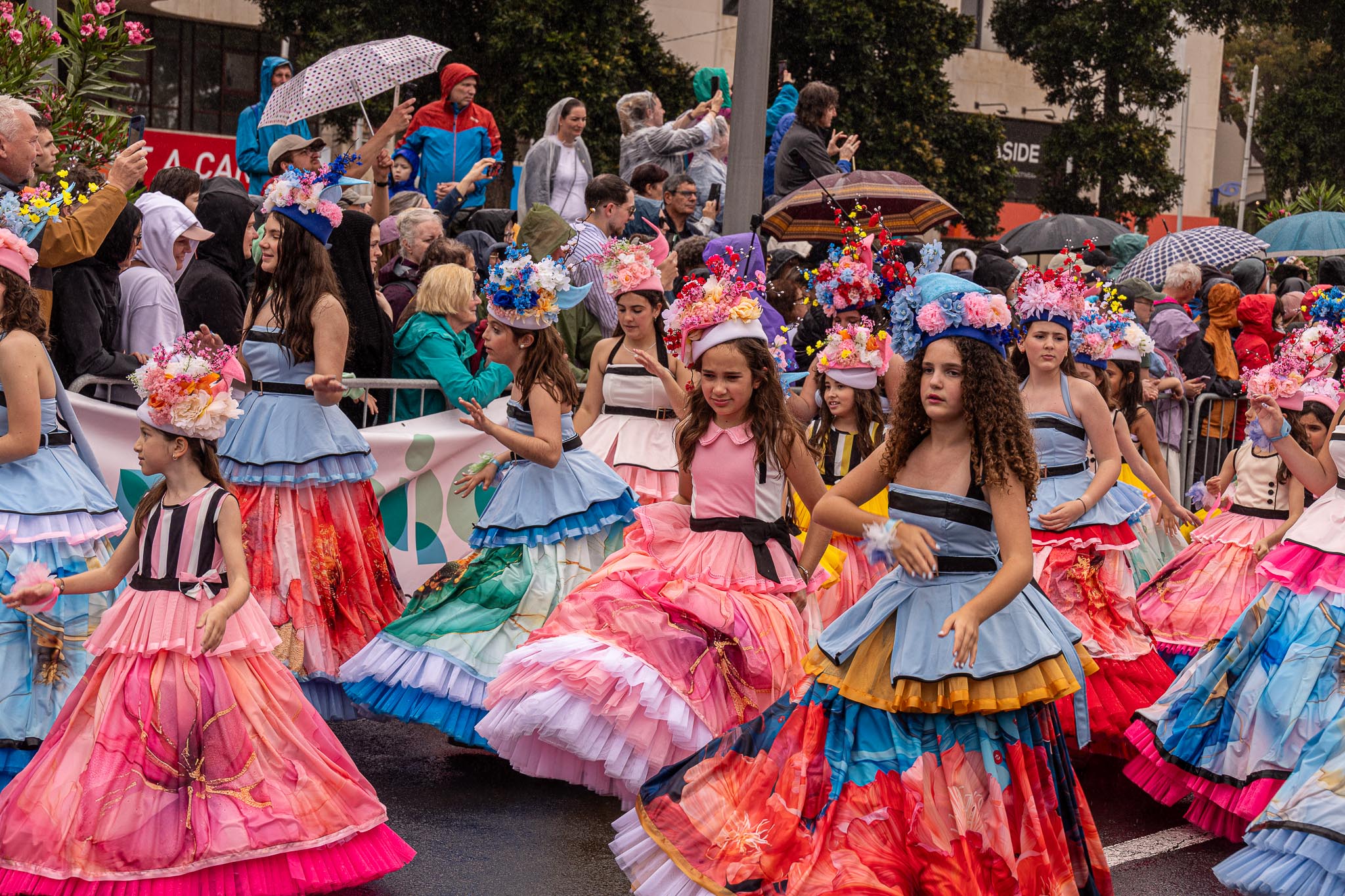
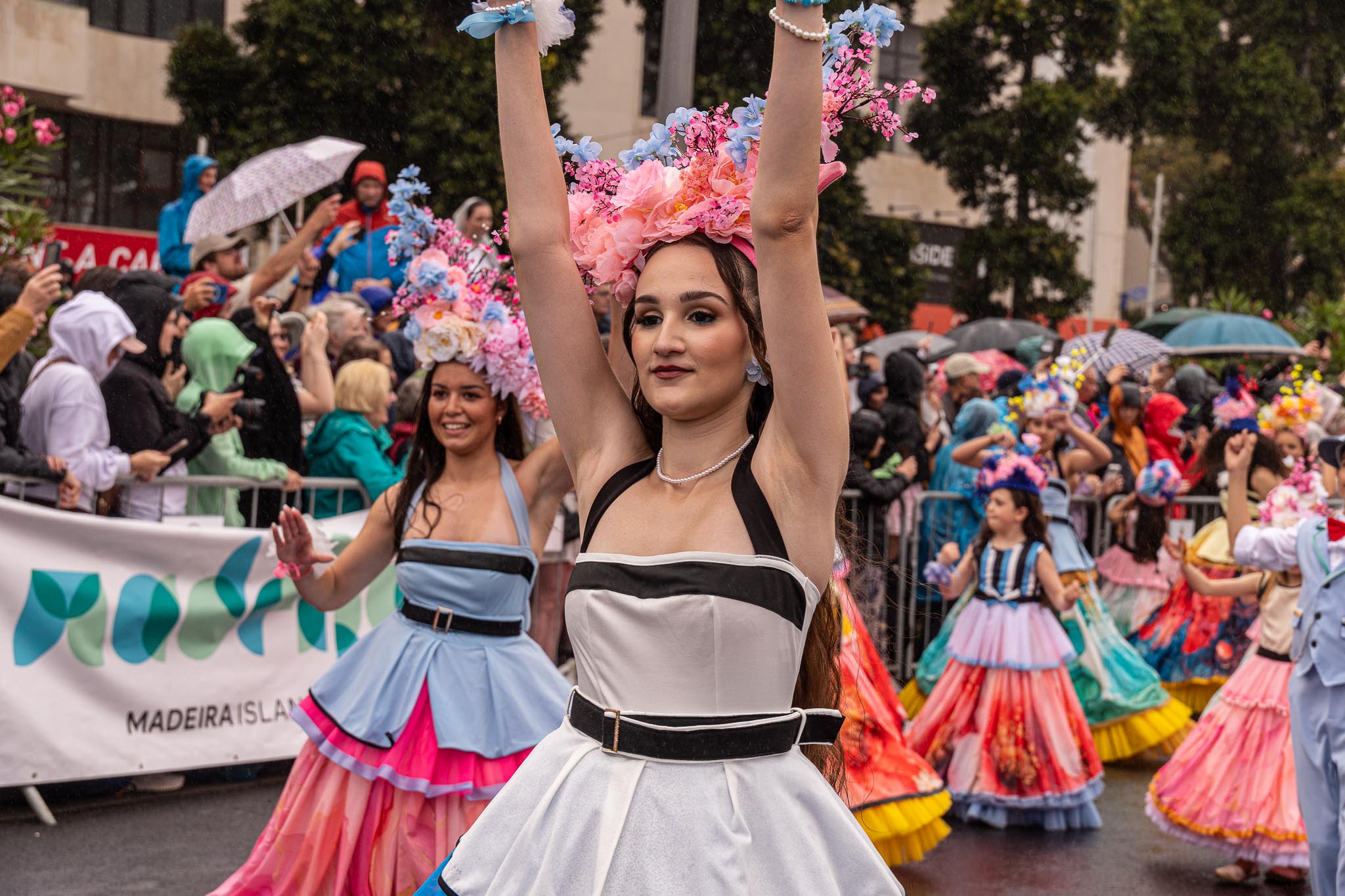
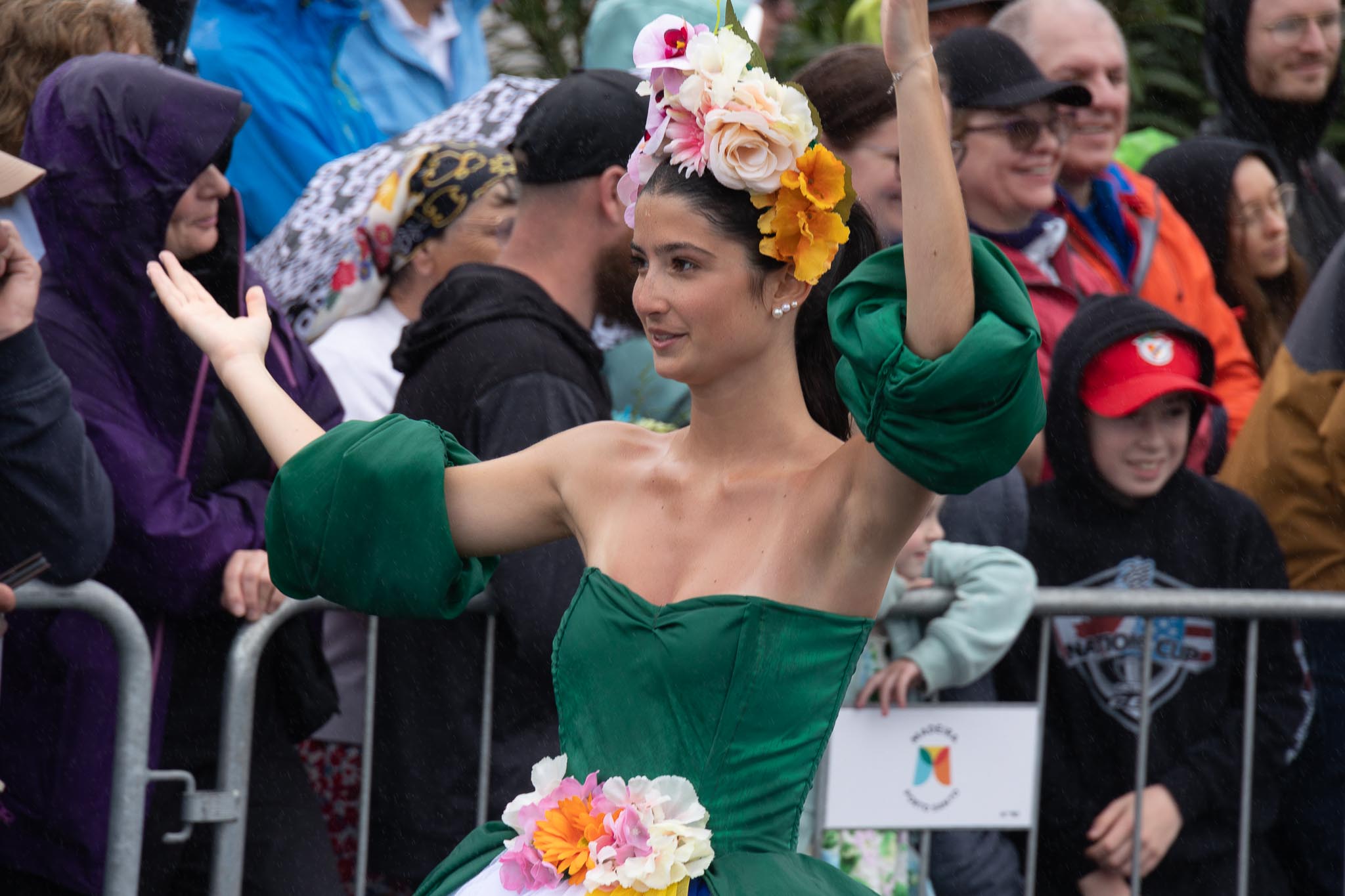
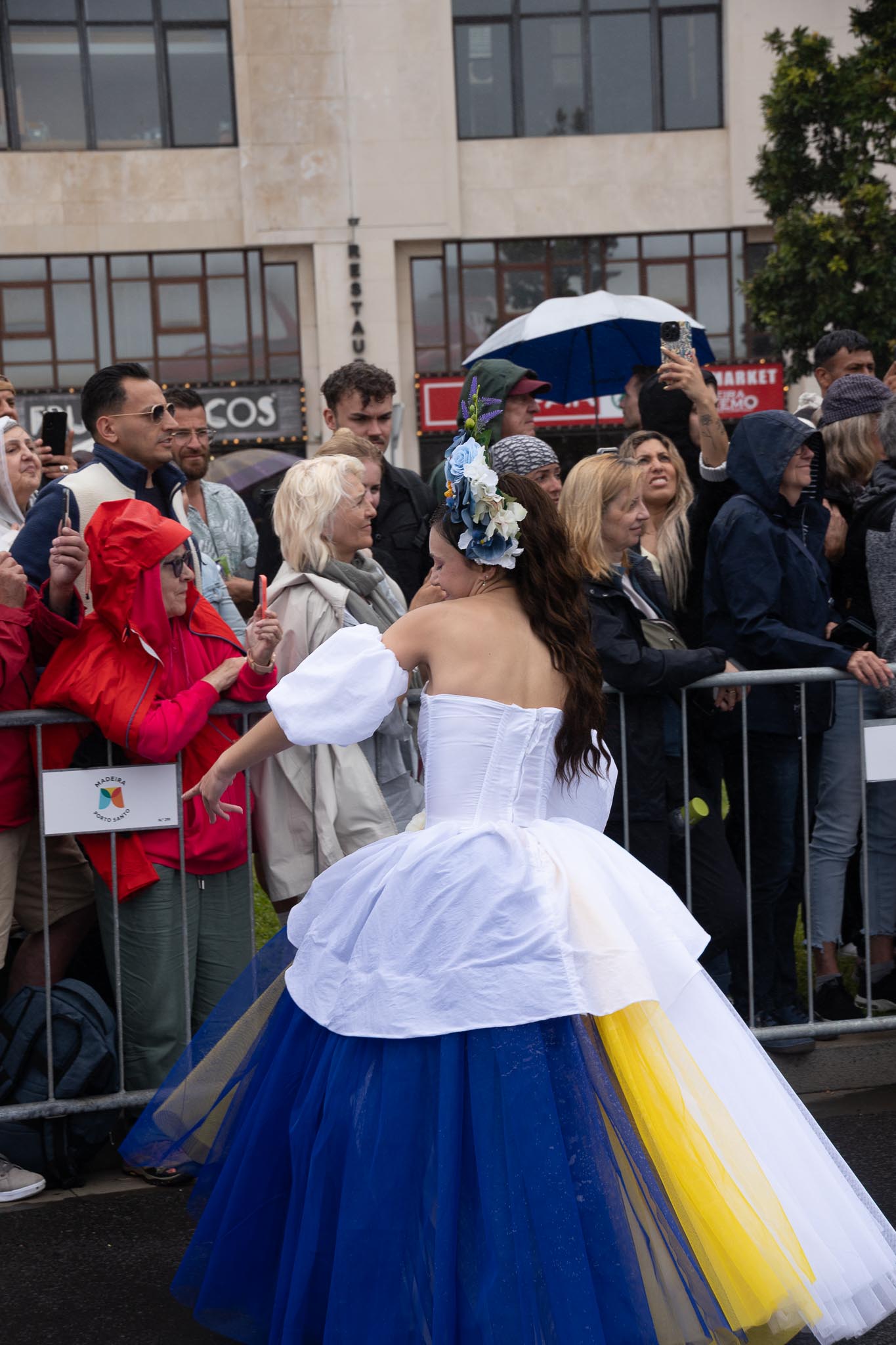
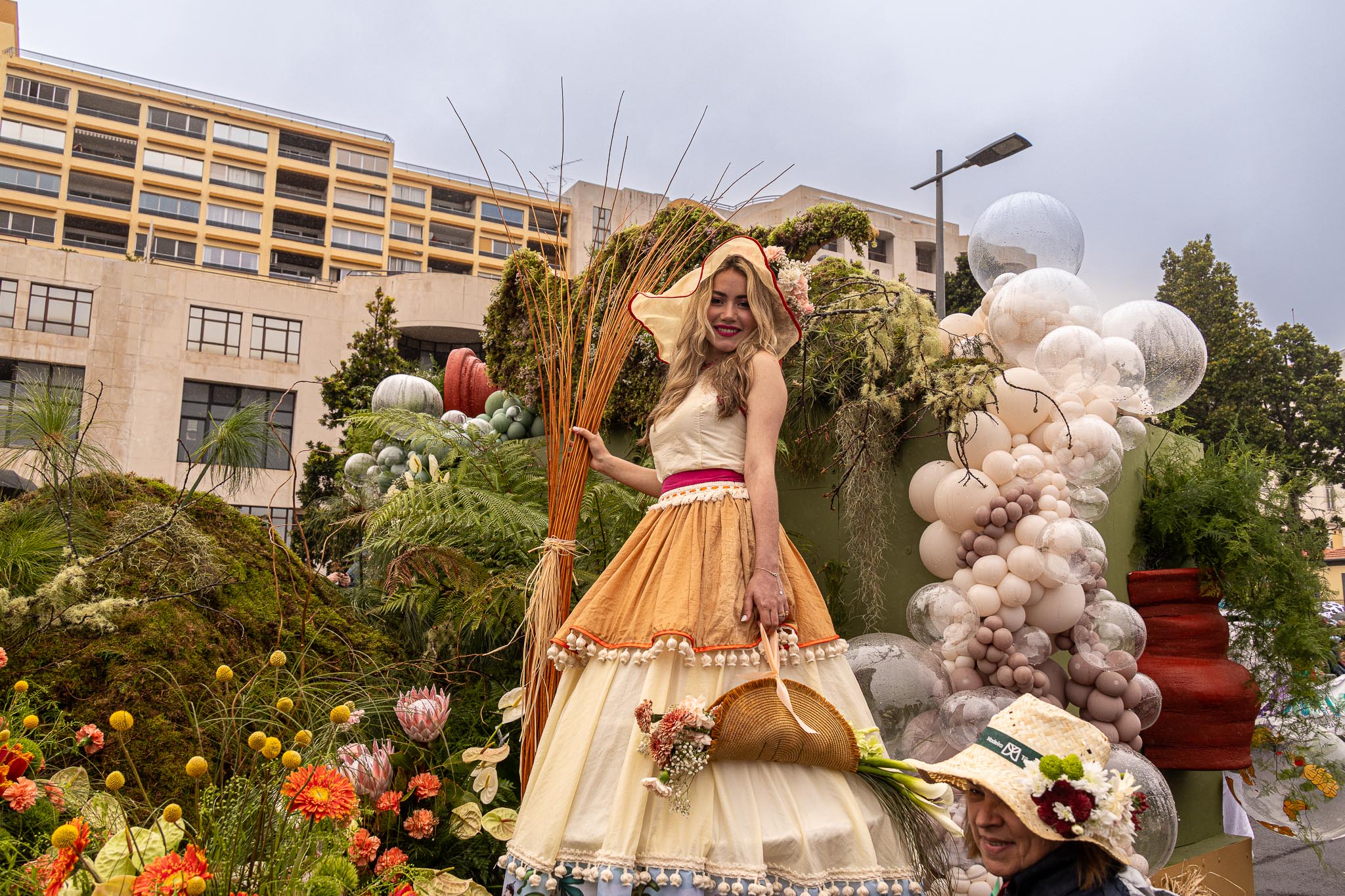
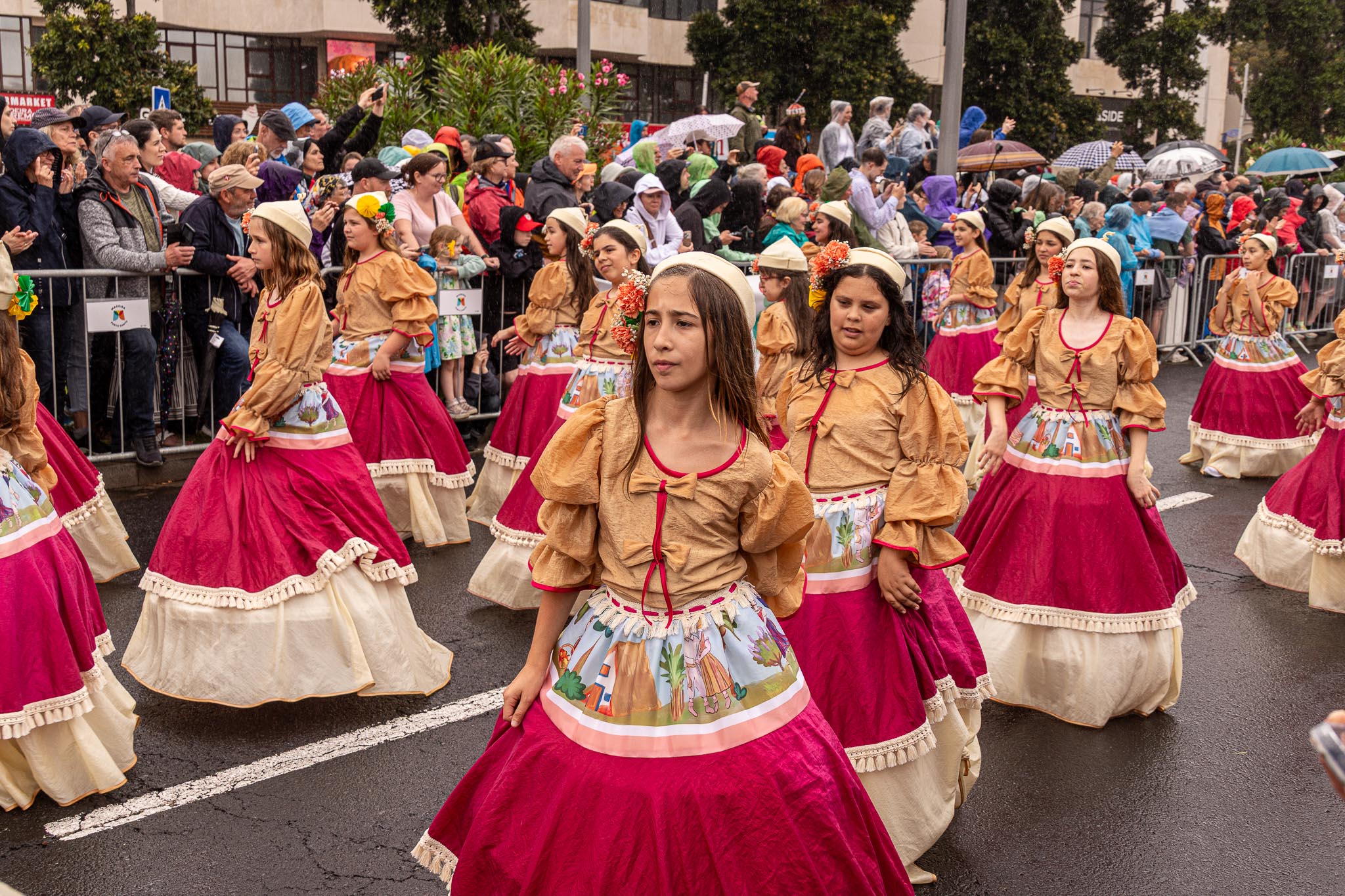
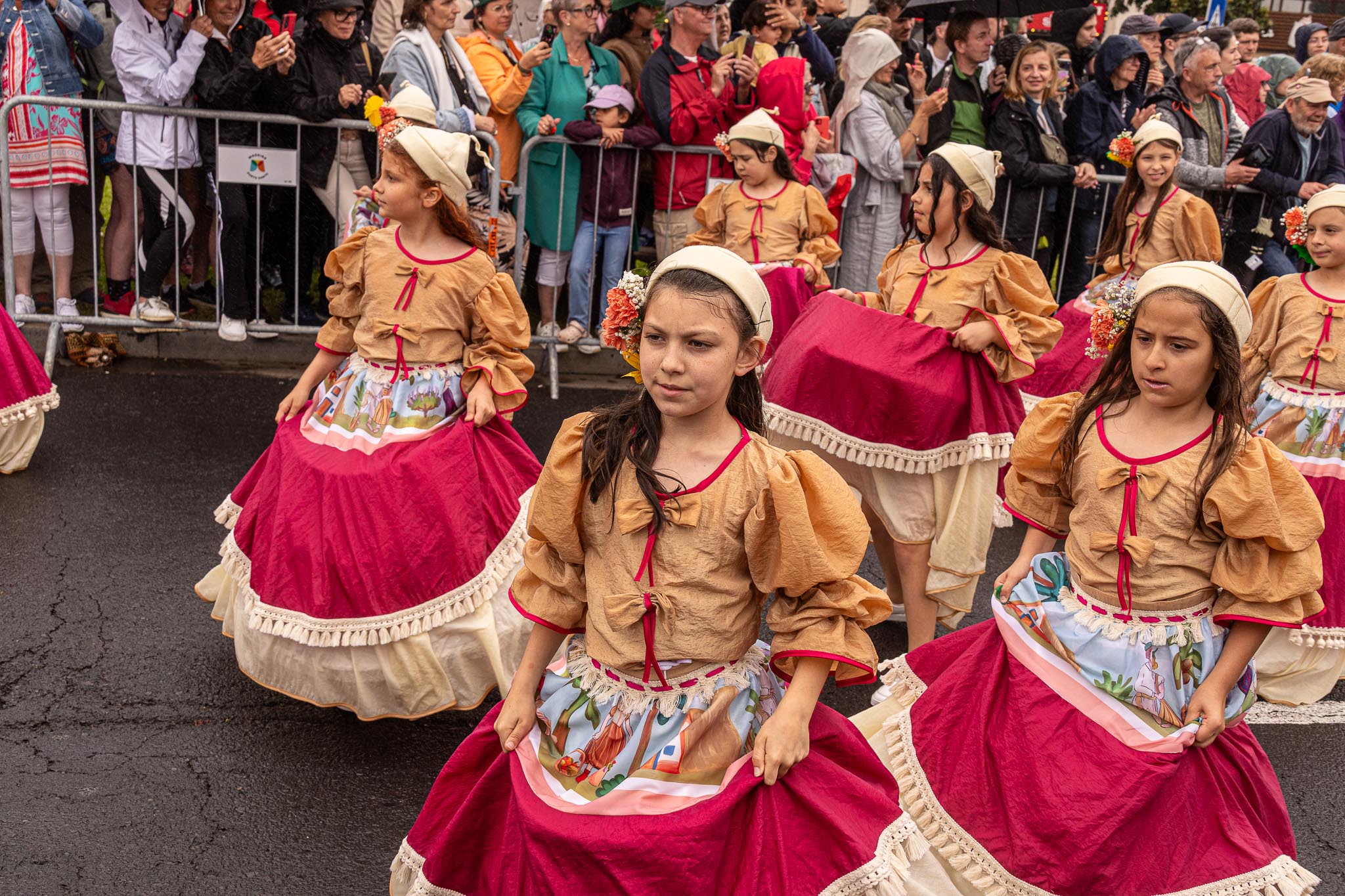
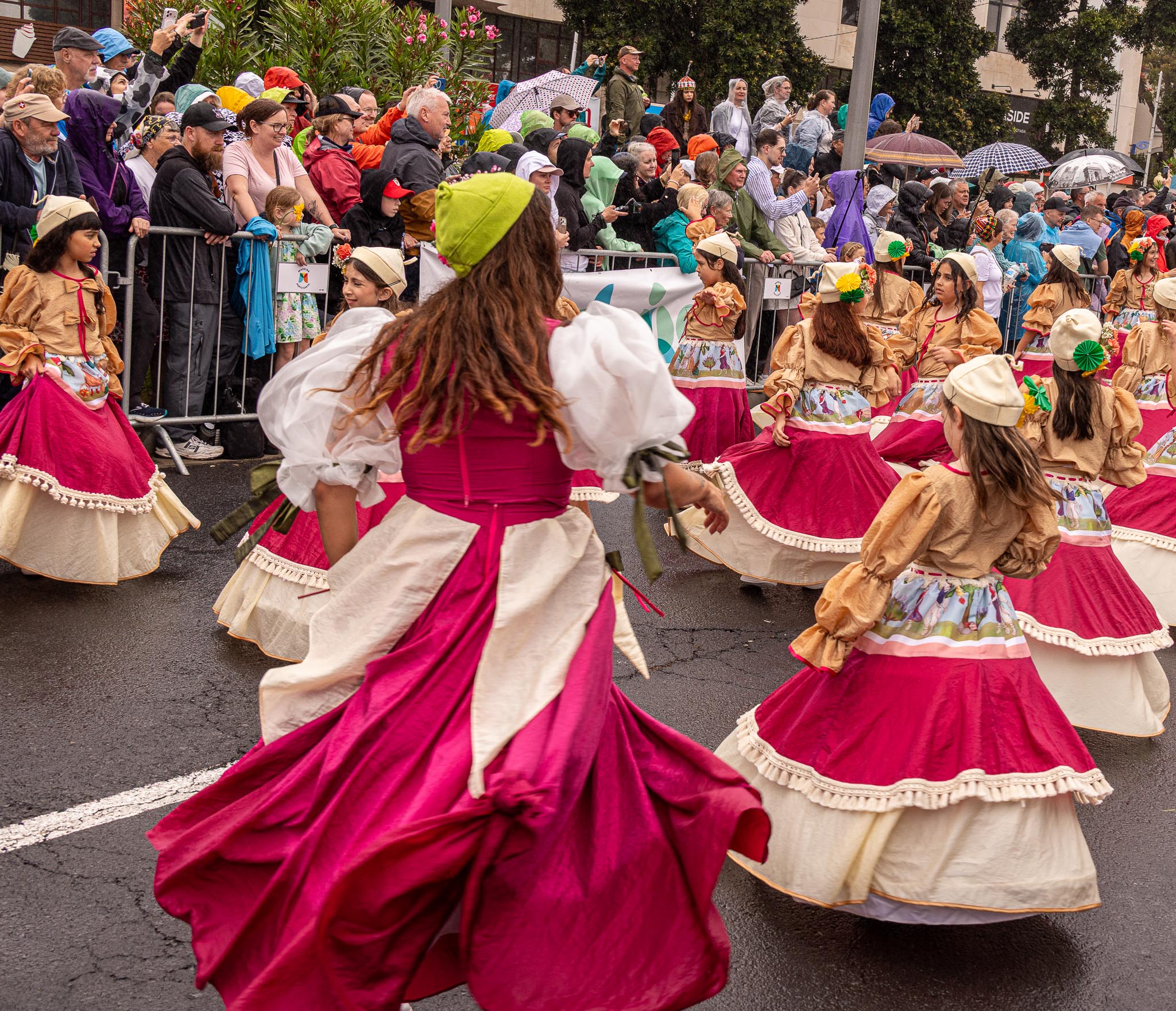
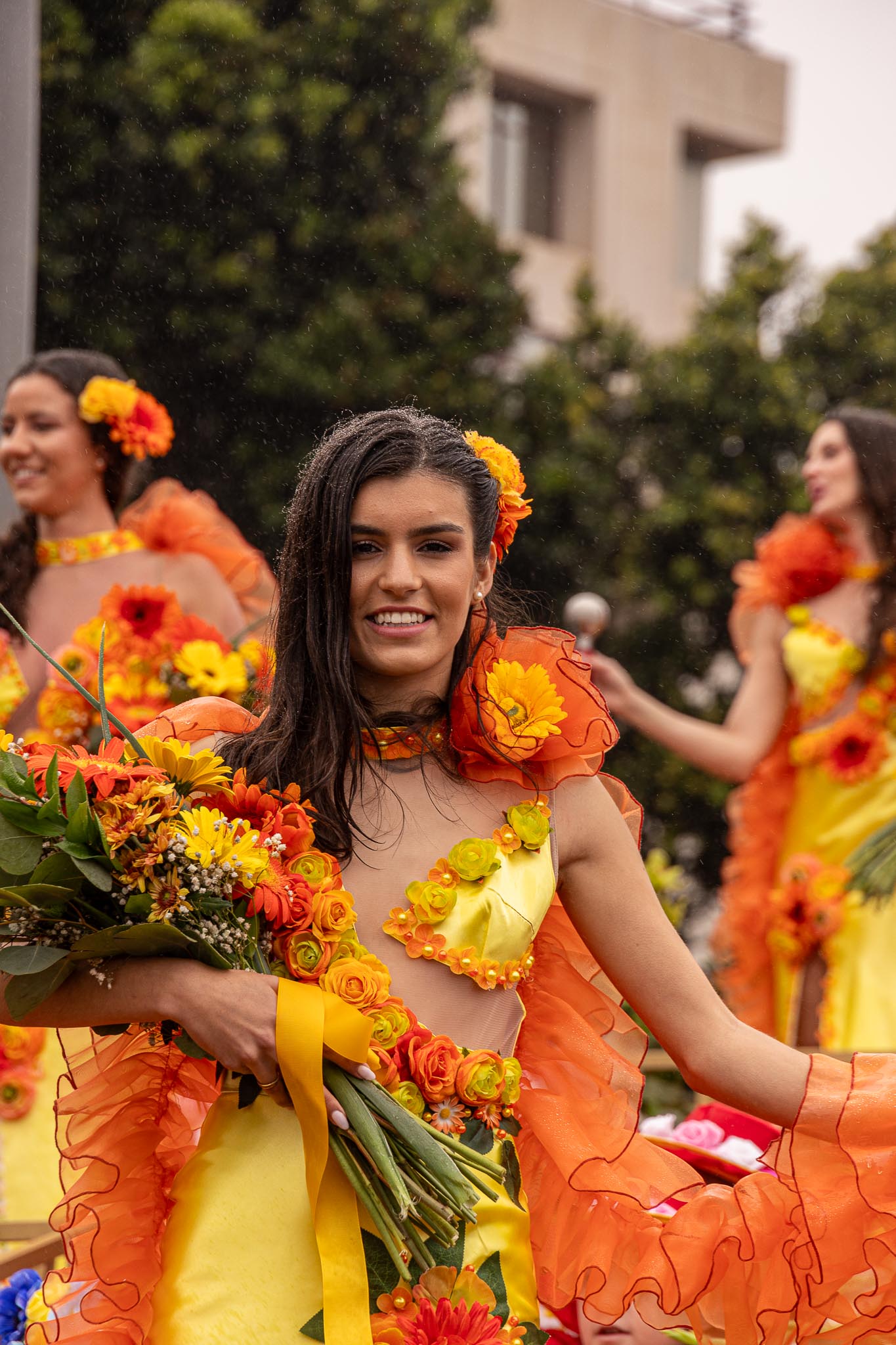
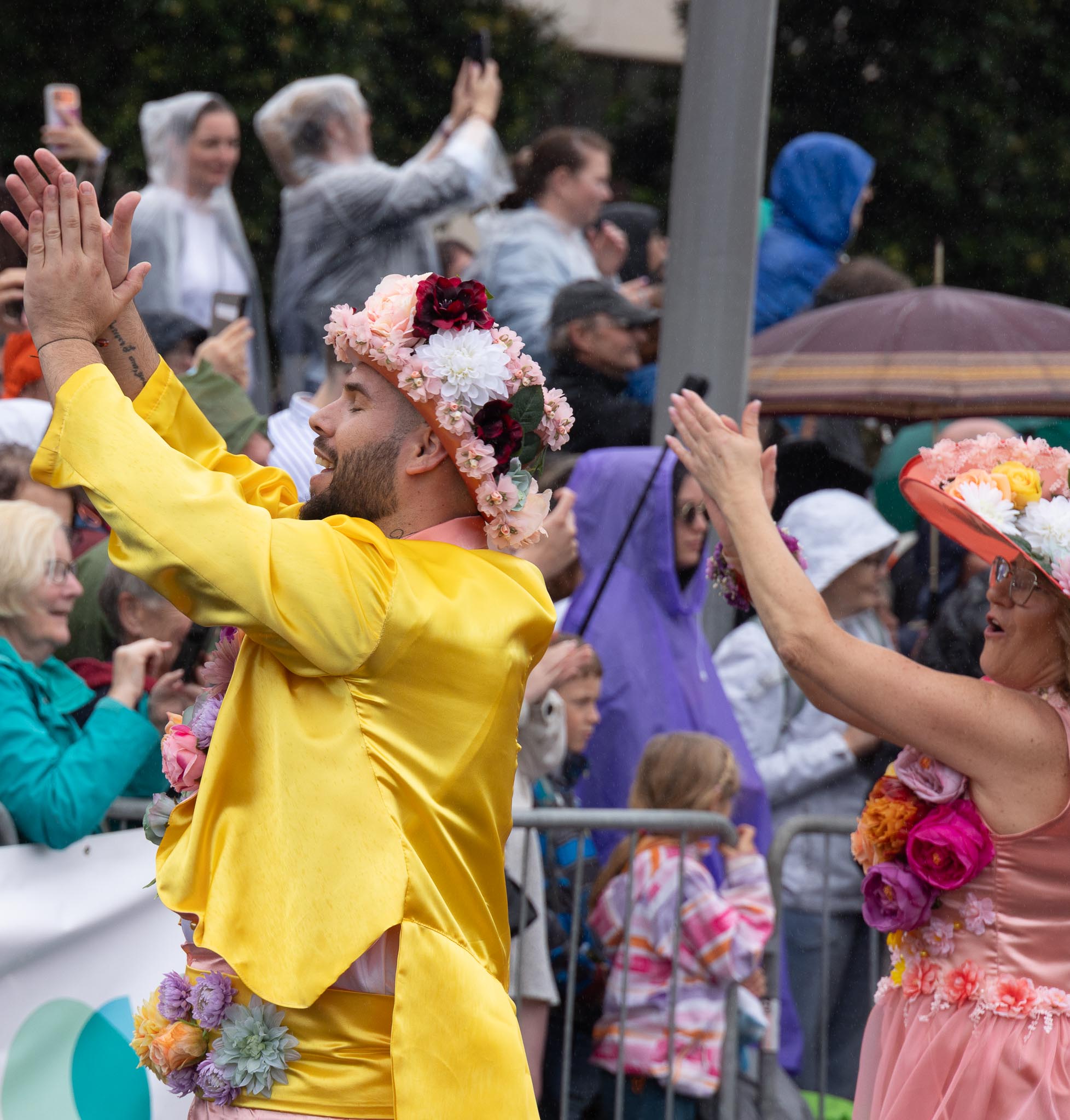
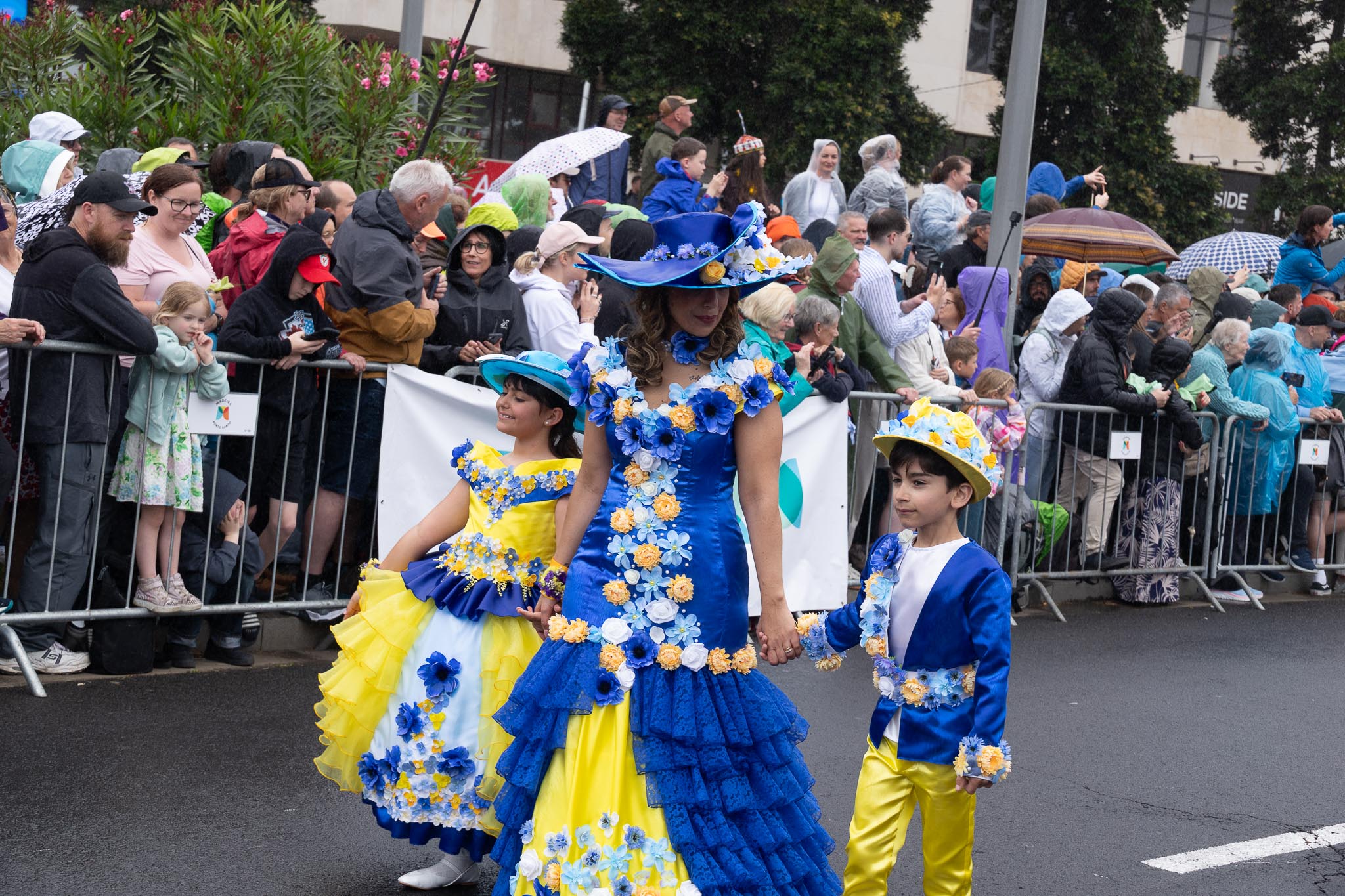
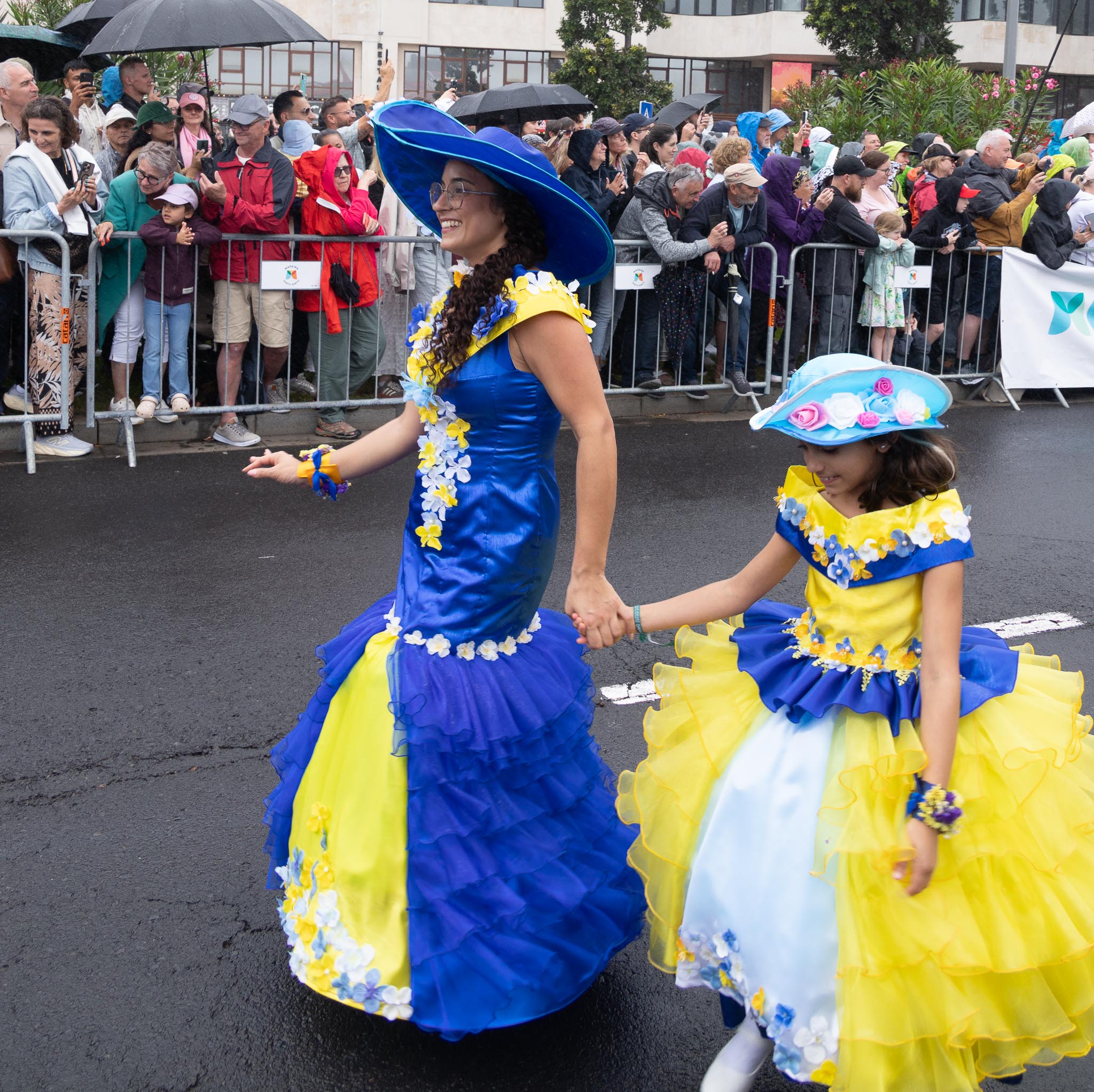
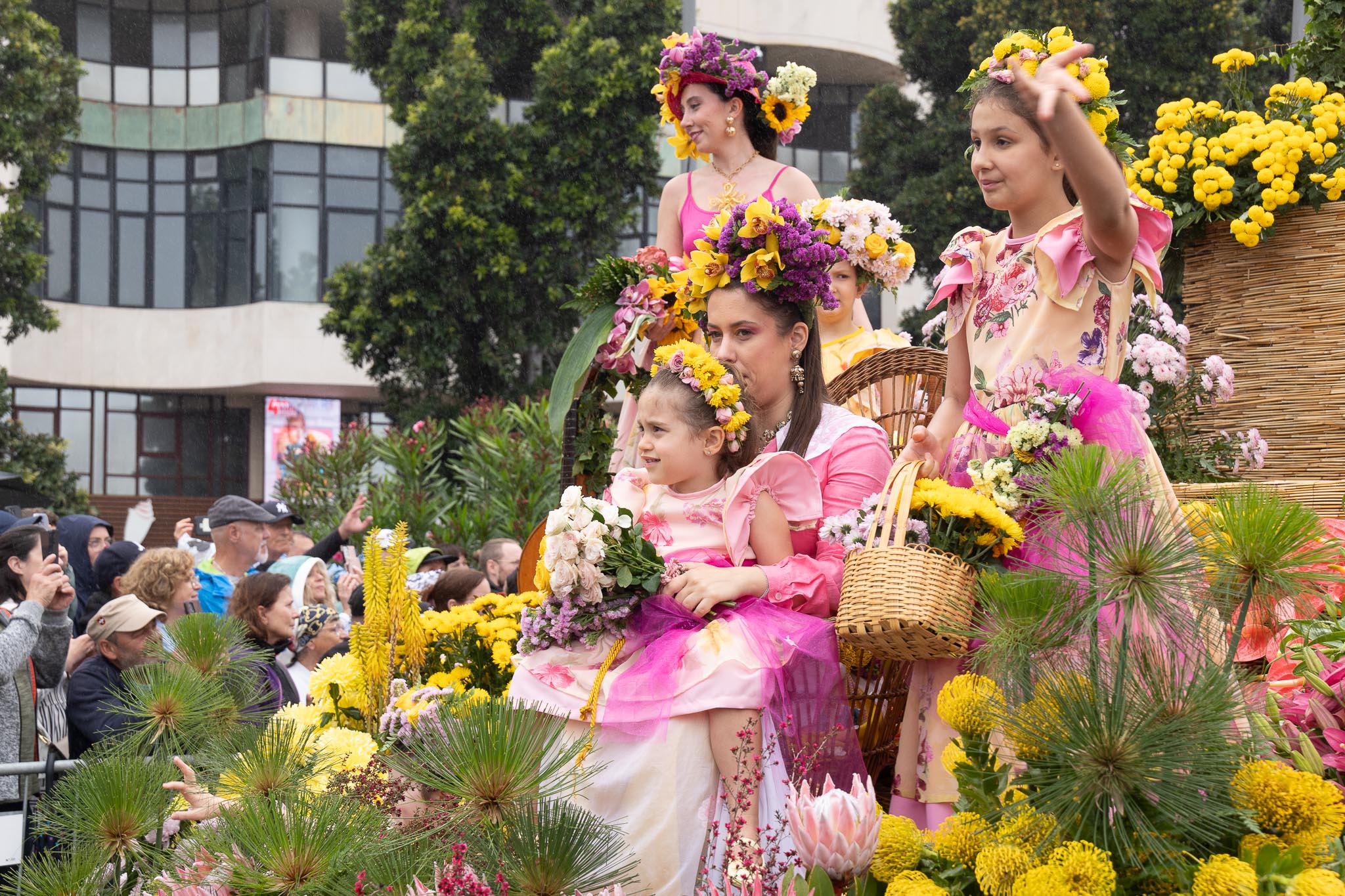
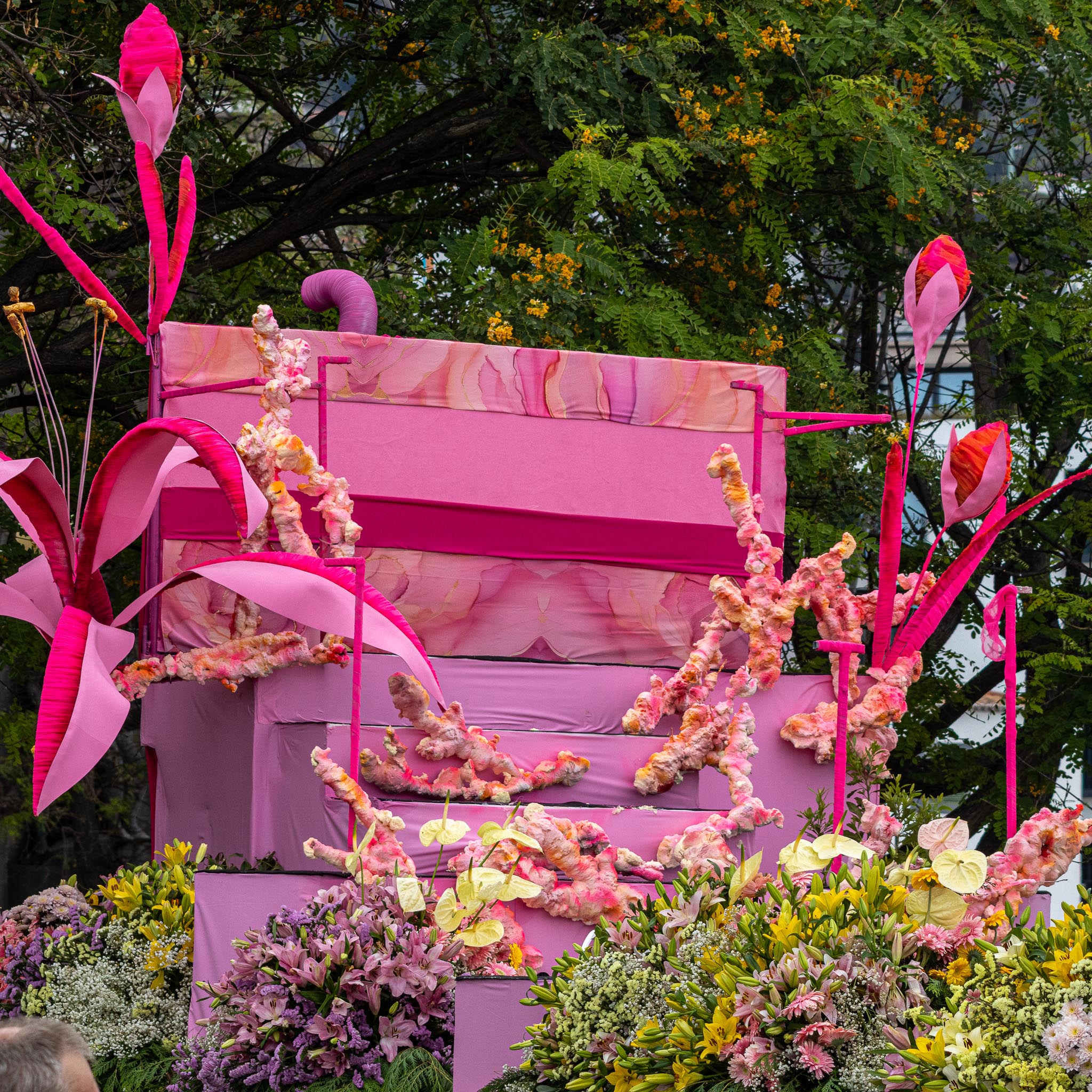
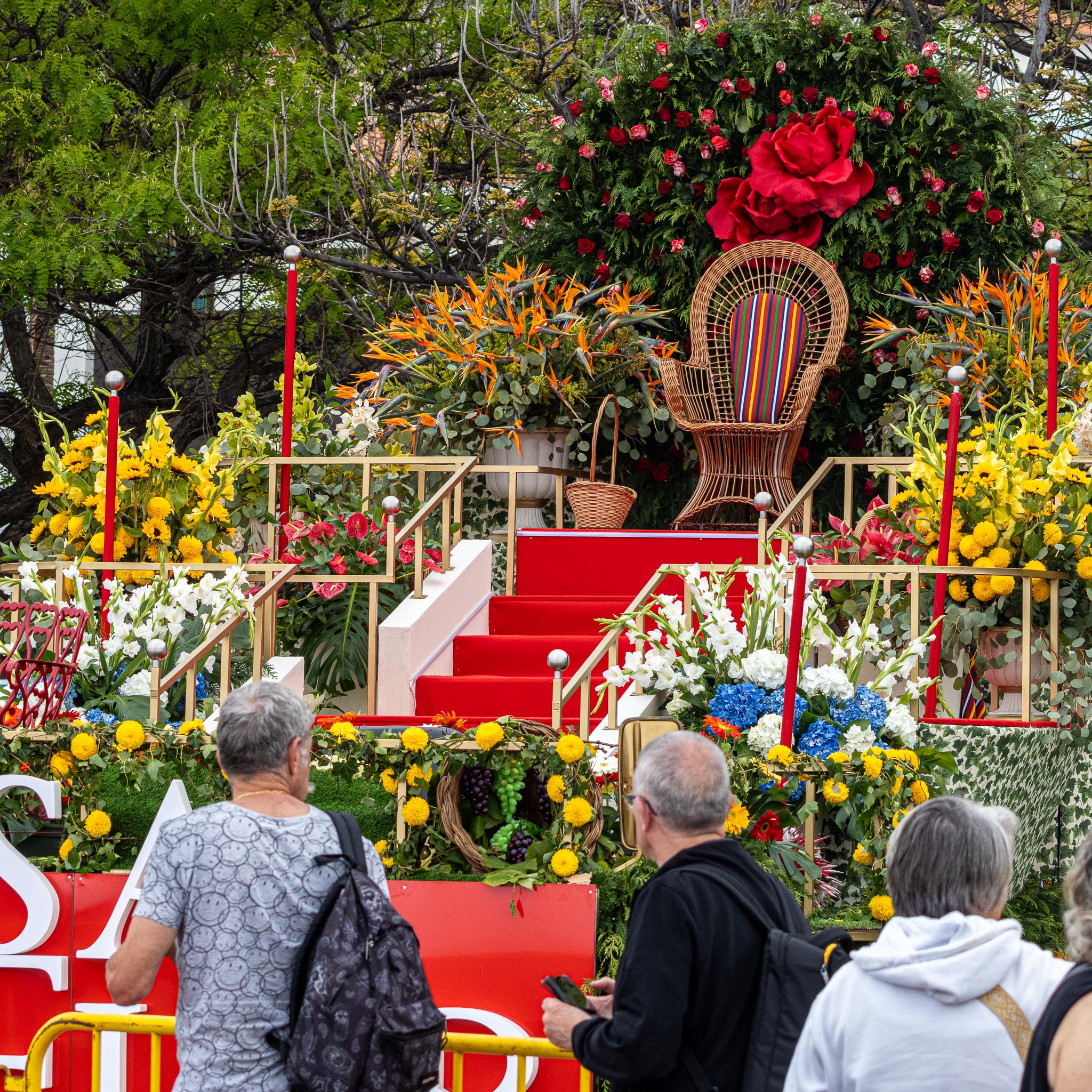
Fortunately, the rain did not stop us from enjoying the Flower Festival parade along the seafront although it had to be said the participants looked soaked by the time they passed us.
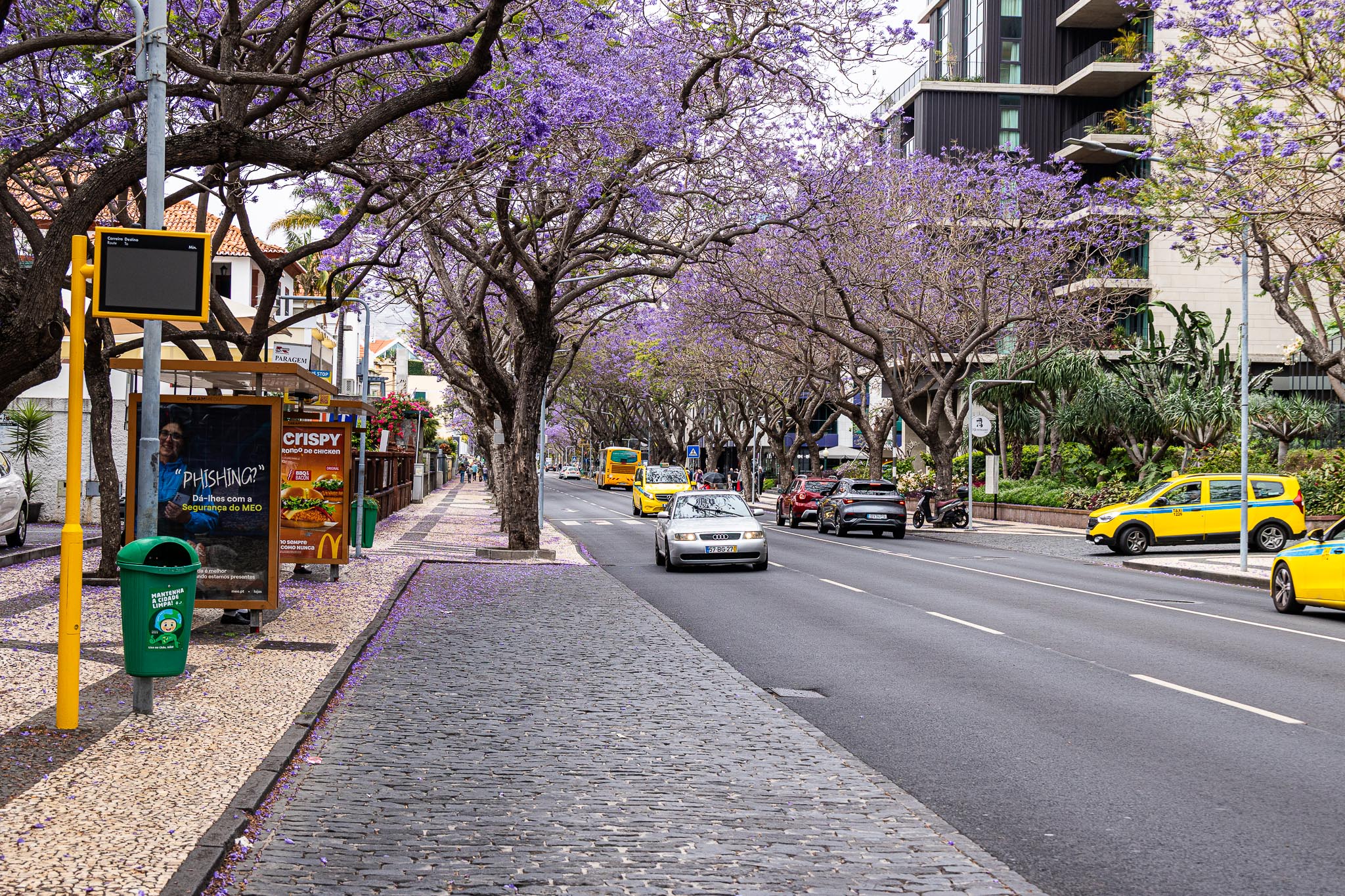
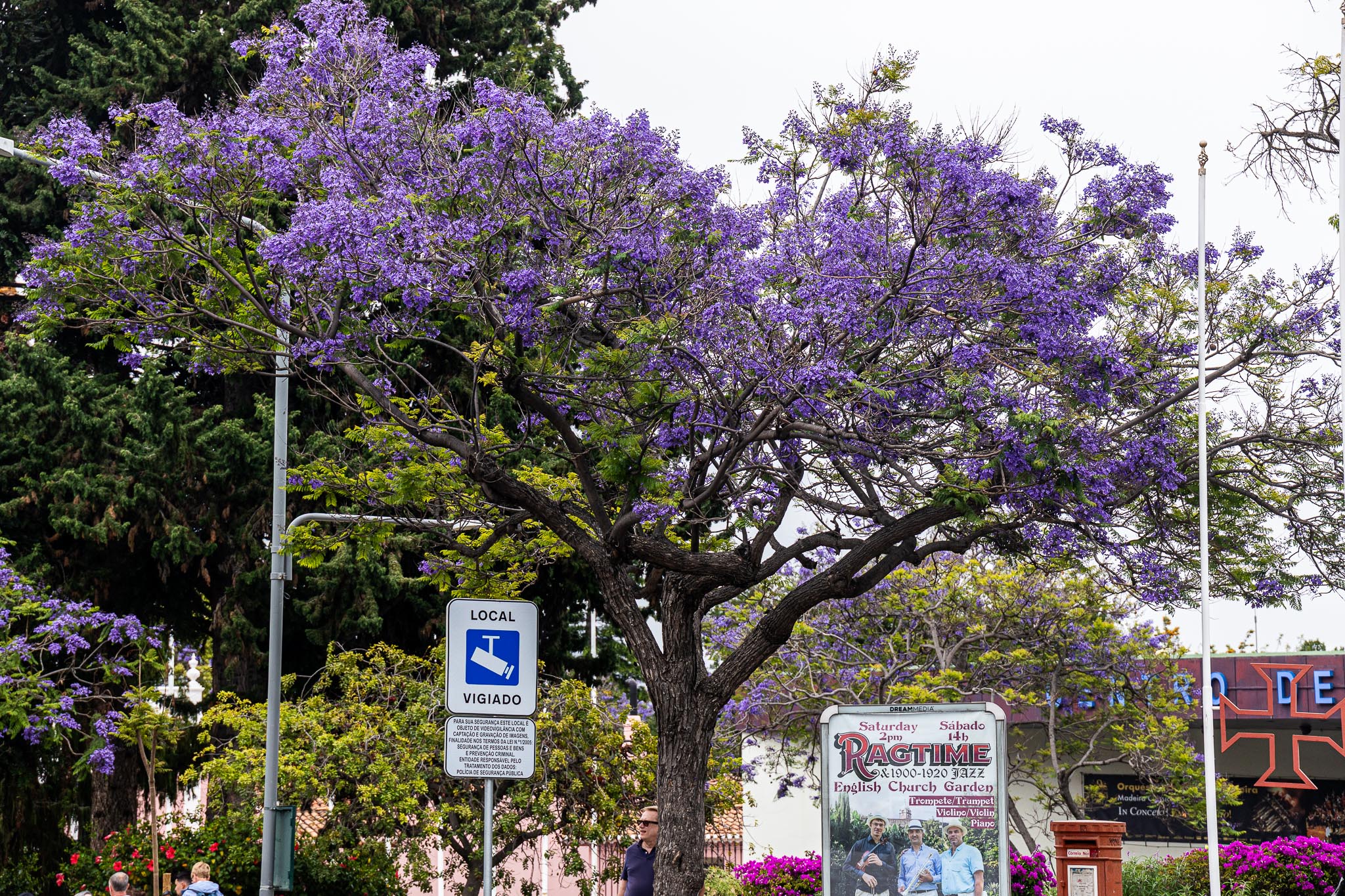
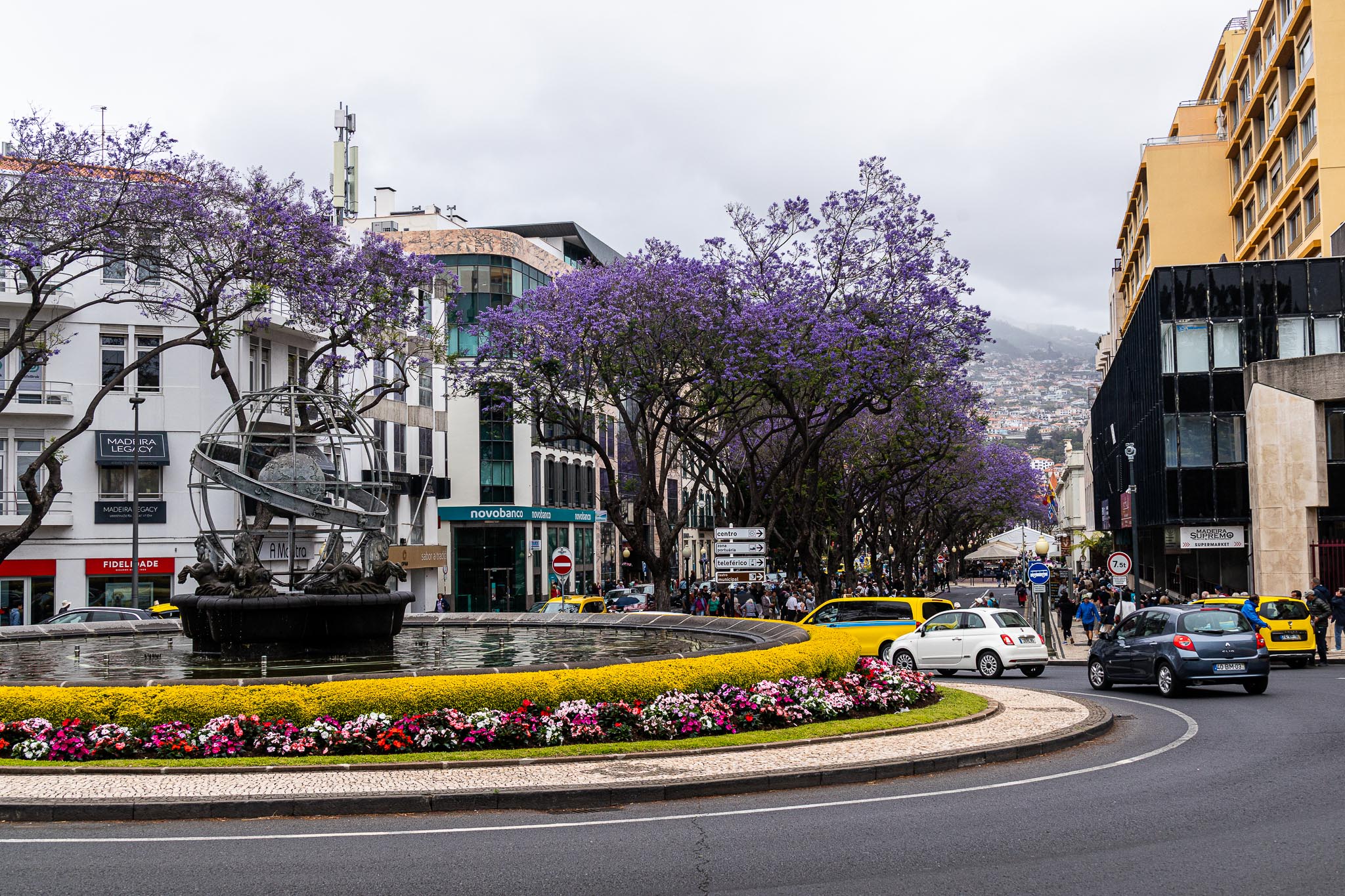
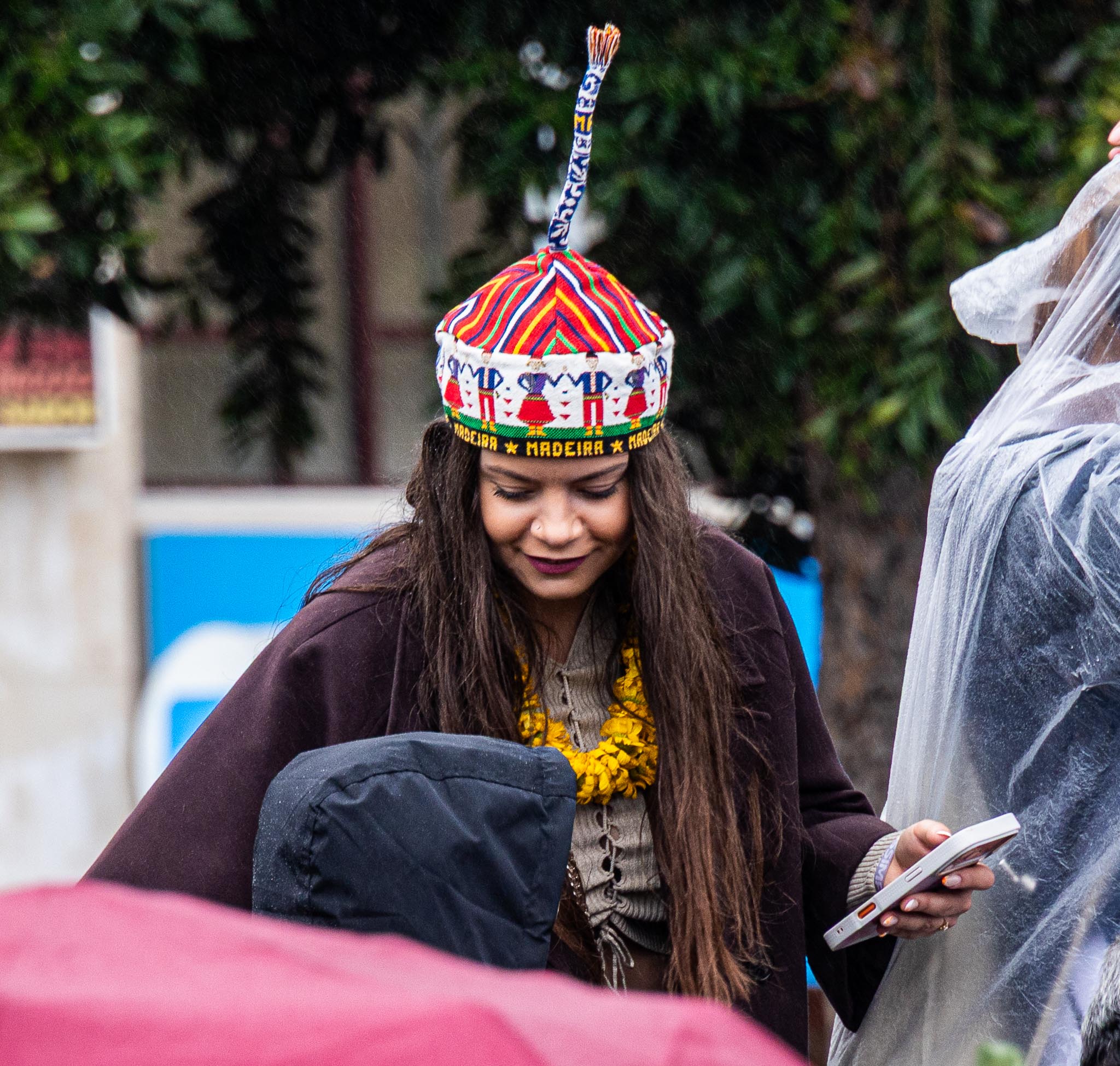
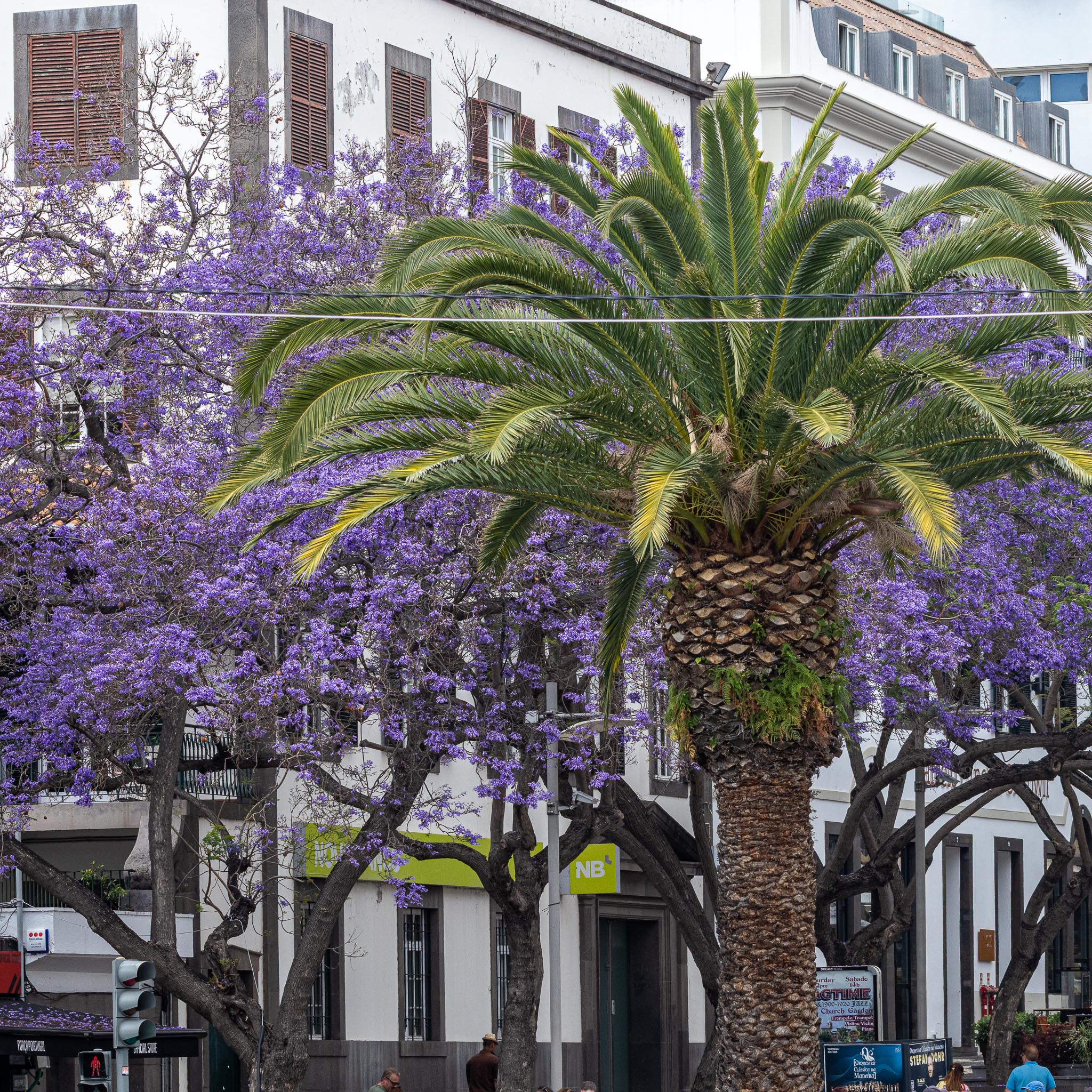
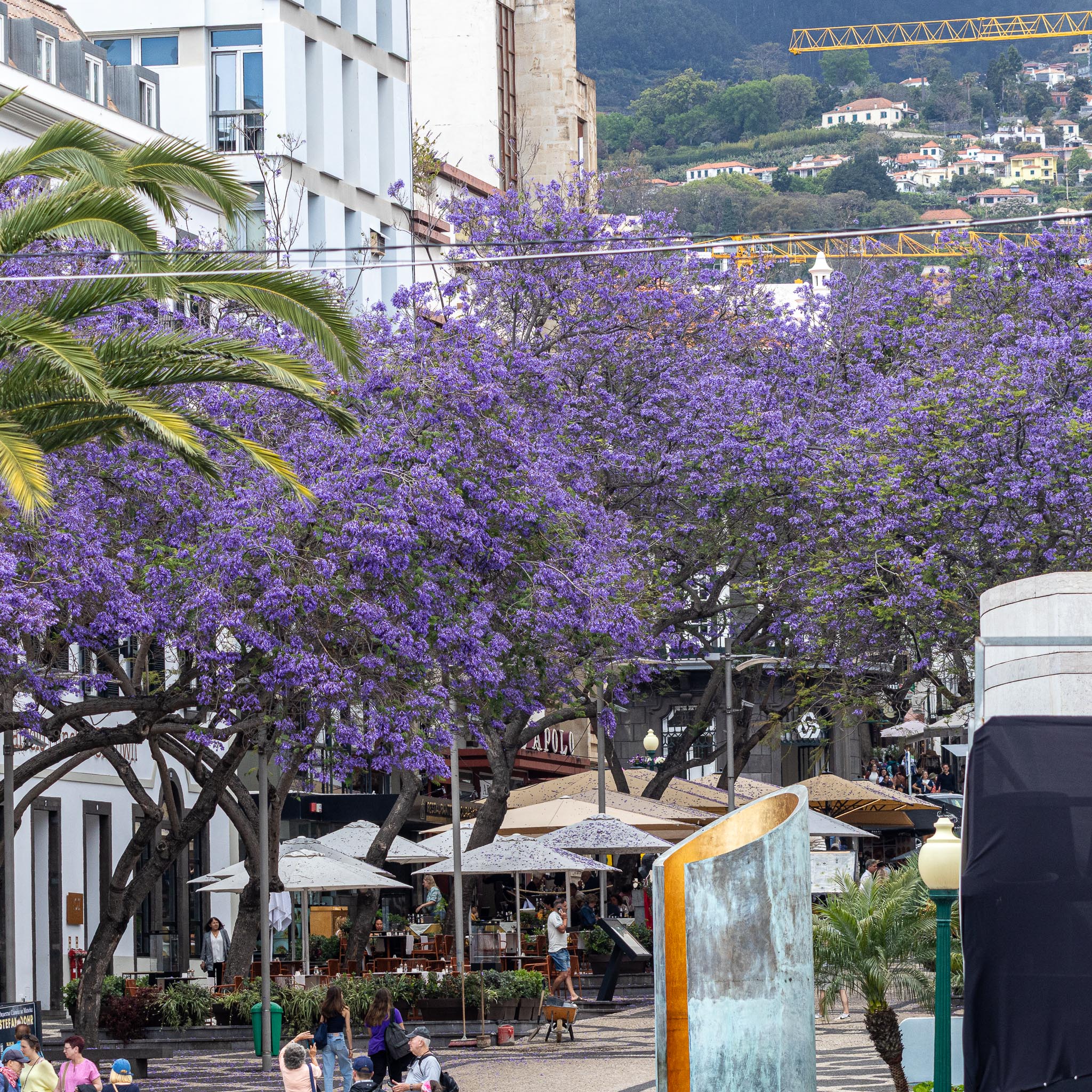
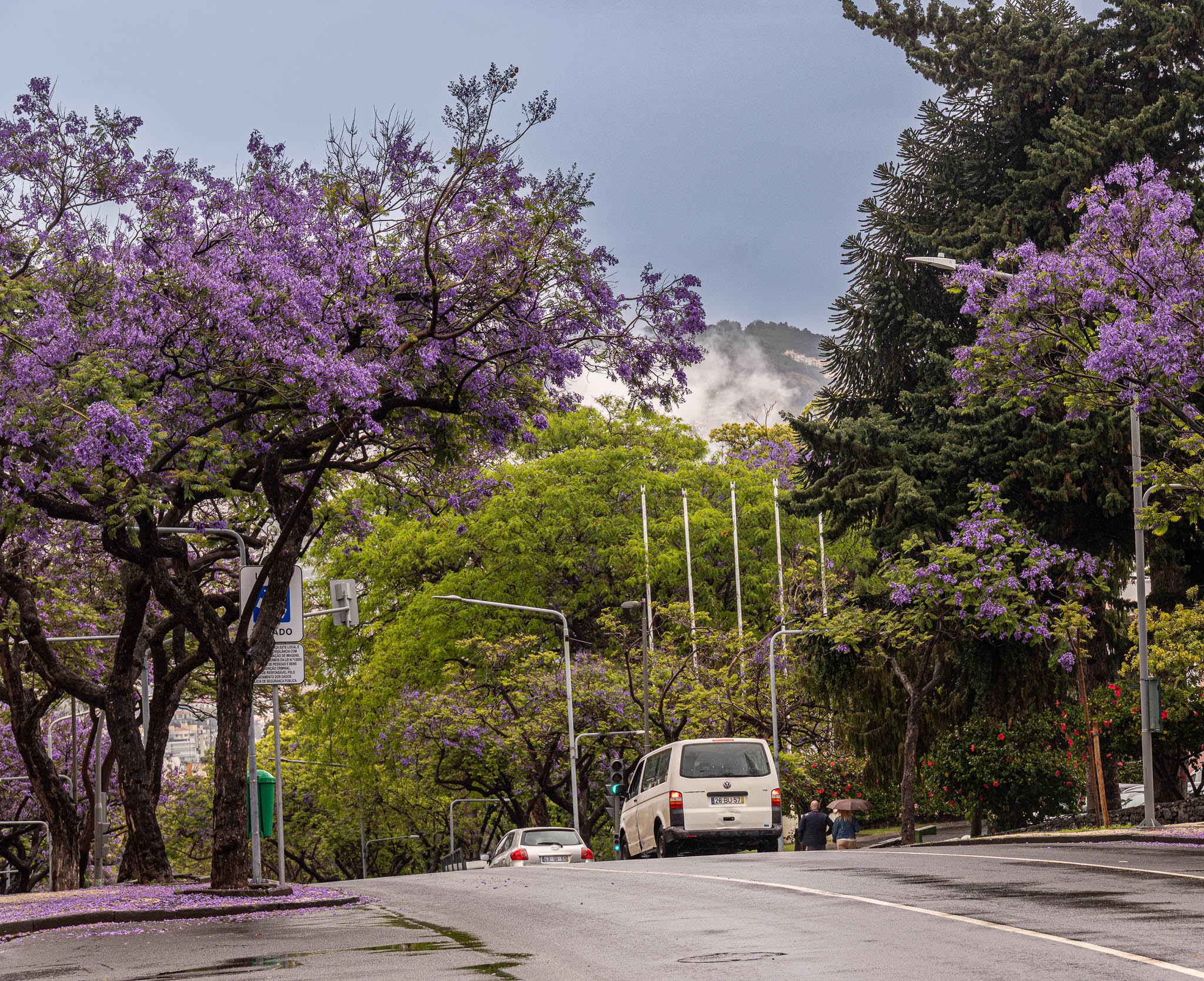
We needed to walk down from the hotel to the parade and although we have visited Madeira before at the same time, we had never seen the Jacaranda trees in bloom before -a sight to behold. Note the traditional
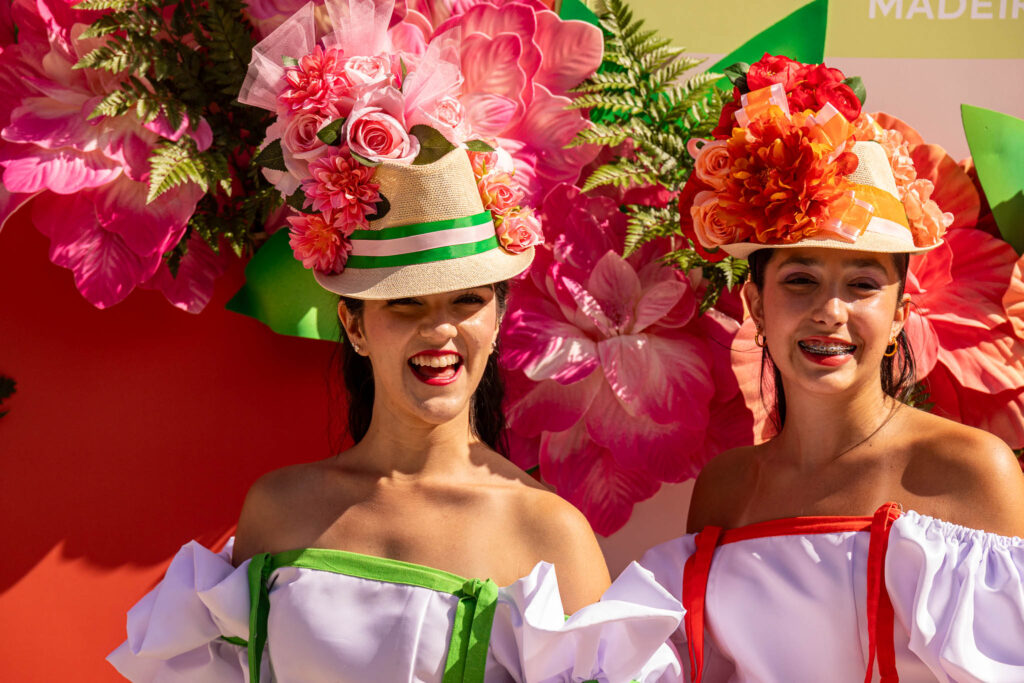
The parade was a riot of colour, joy and music and rain did not dampen anybody’s enthusiasm. A taxi driver commented later in the week that this was the 39th Festival and this was the first time it had ever rained.
DAY 4– FUNCHAL AND FUNCHAL FROM THE SEA
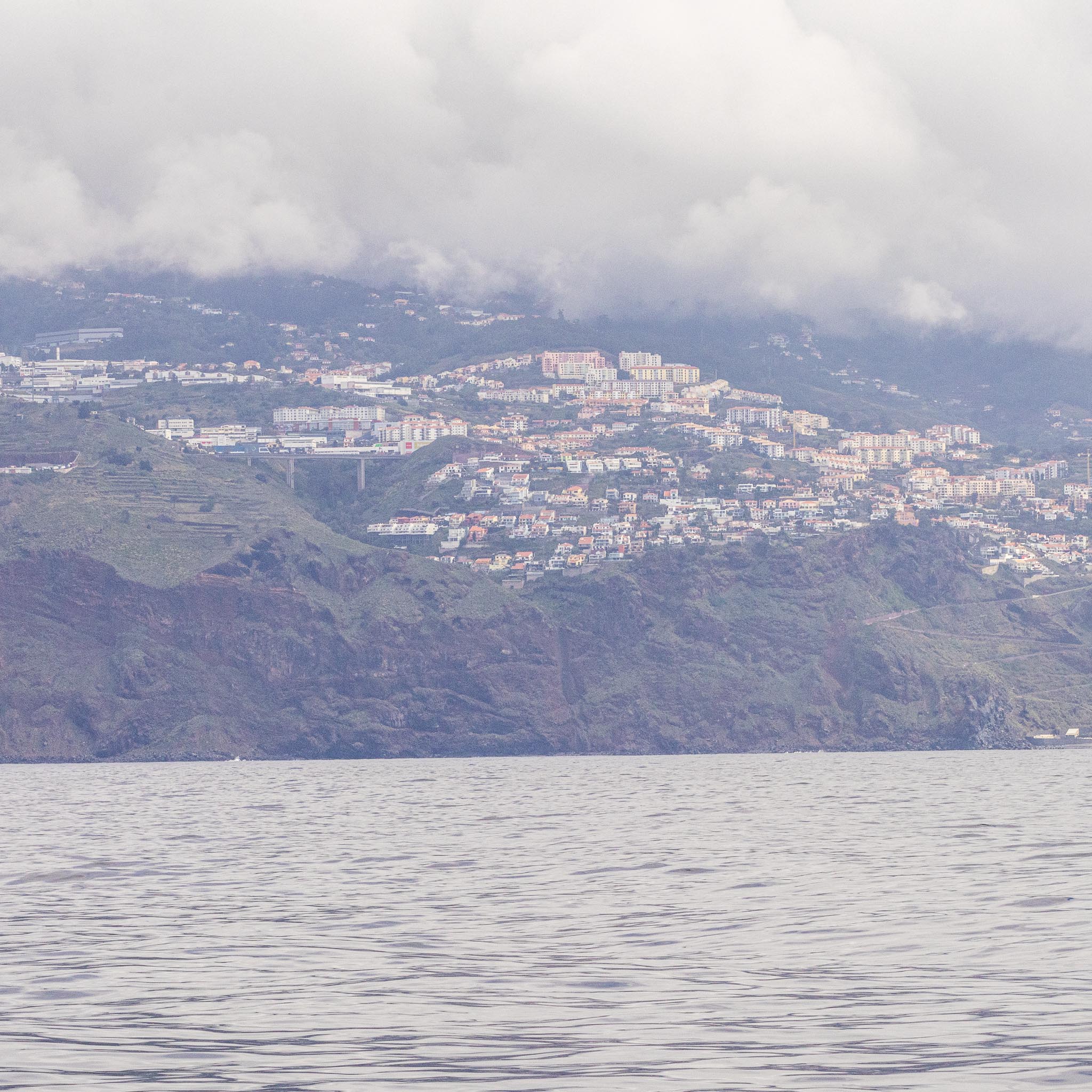
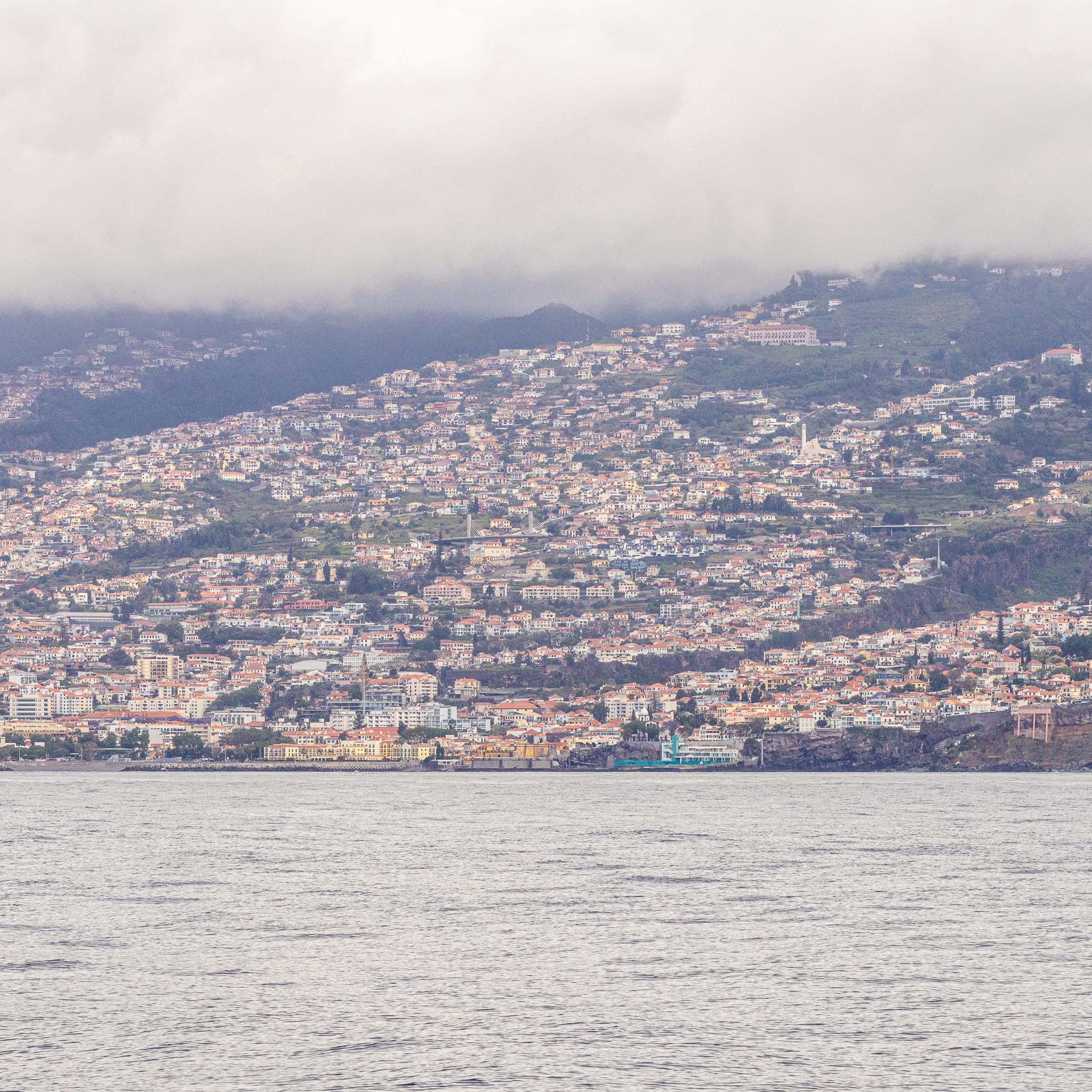
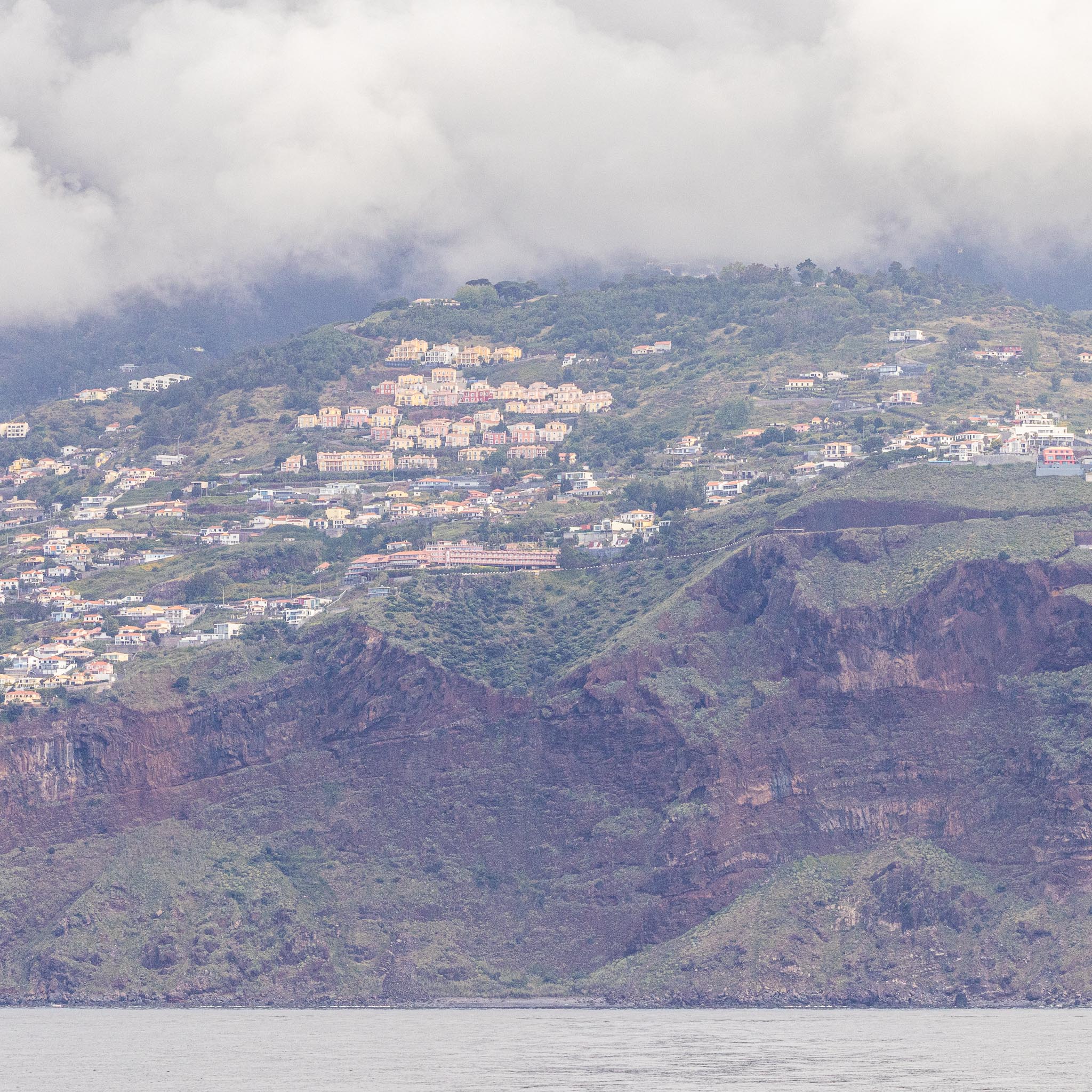
Today’s morning activity was Dolphin and Whale Watching – a calm and serene experience. No Whales but we did see several Dolphins circling the catamaran but alas this time no pictures – not quick enough to catch them.
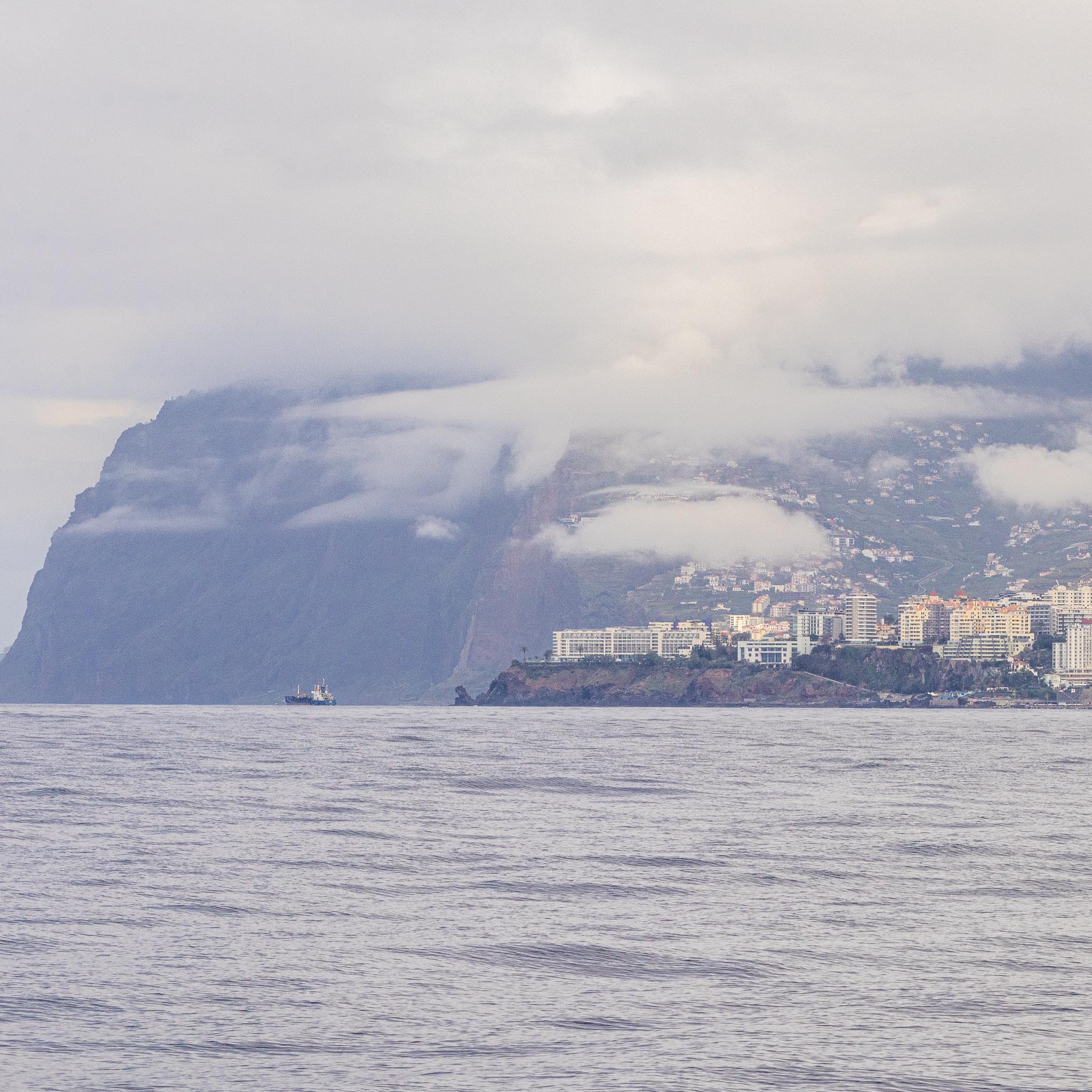
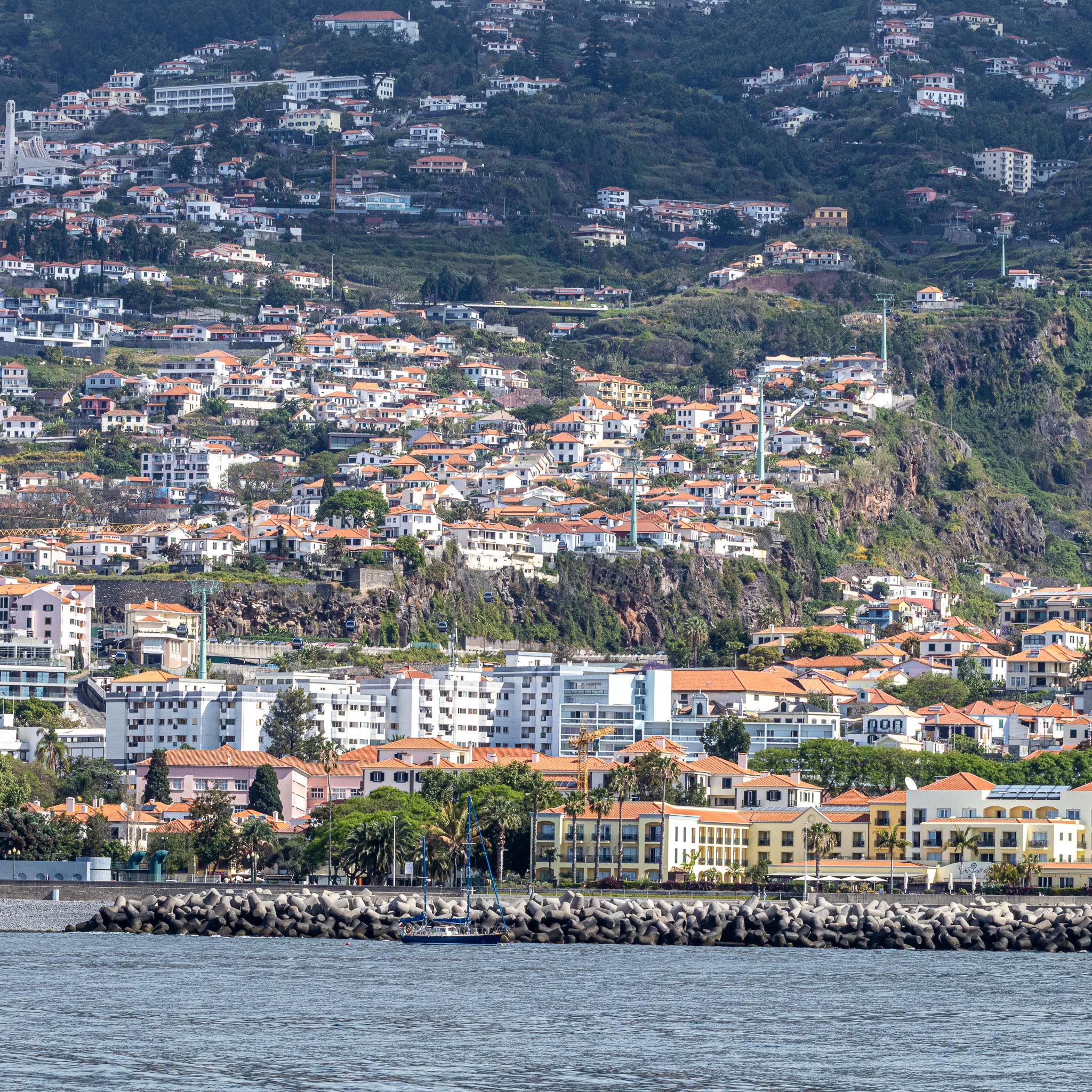
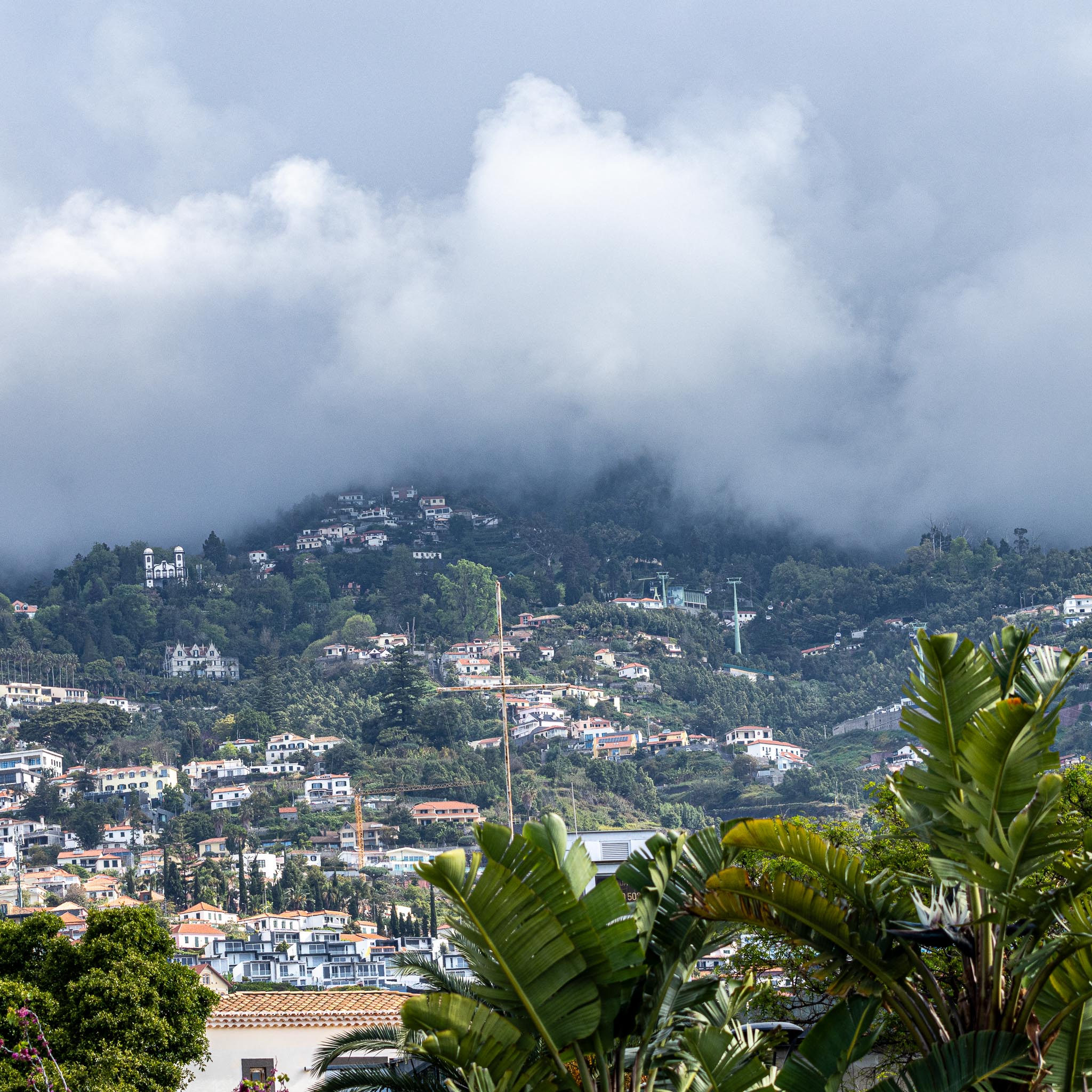
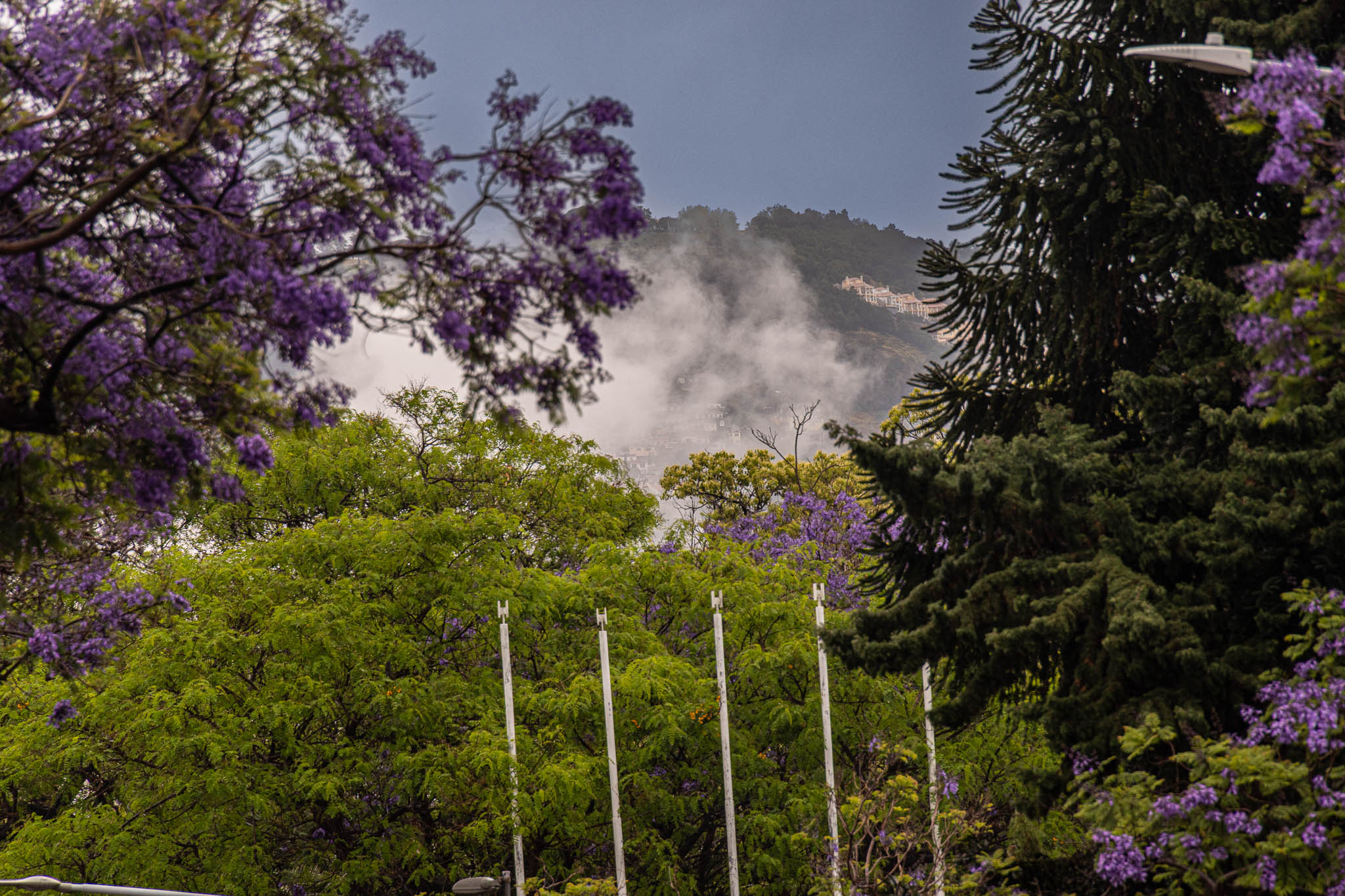
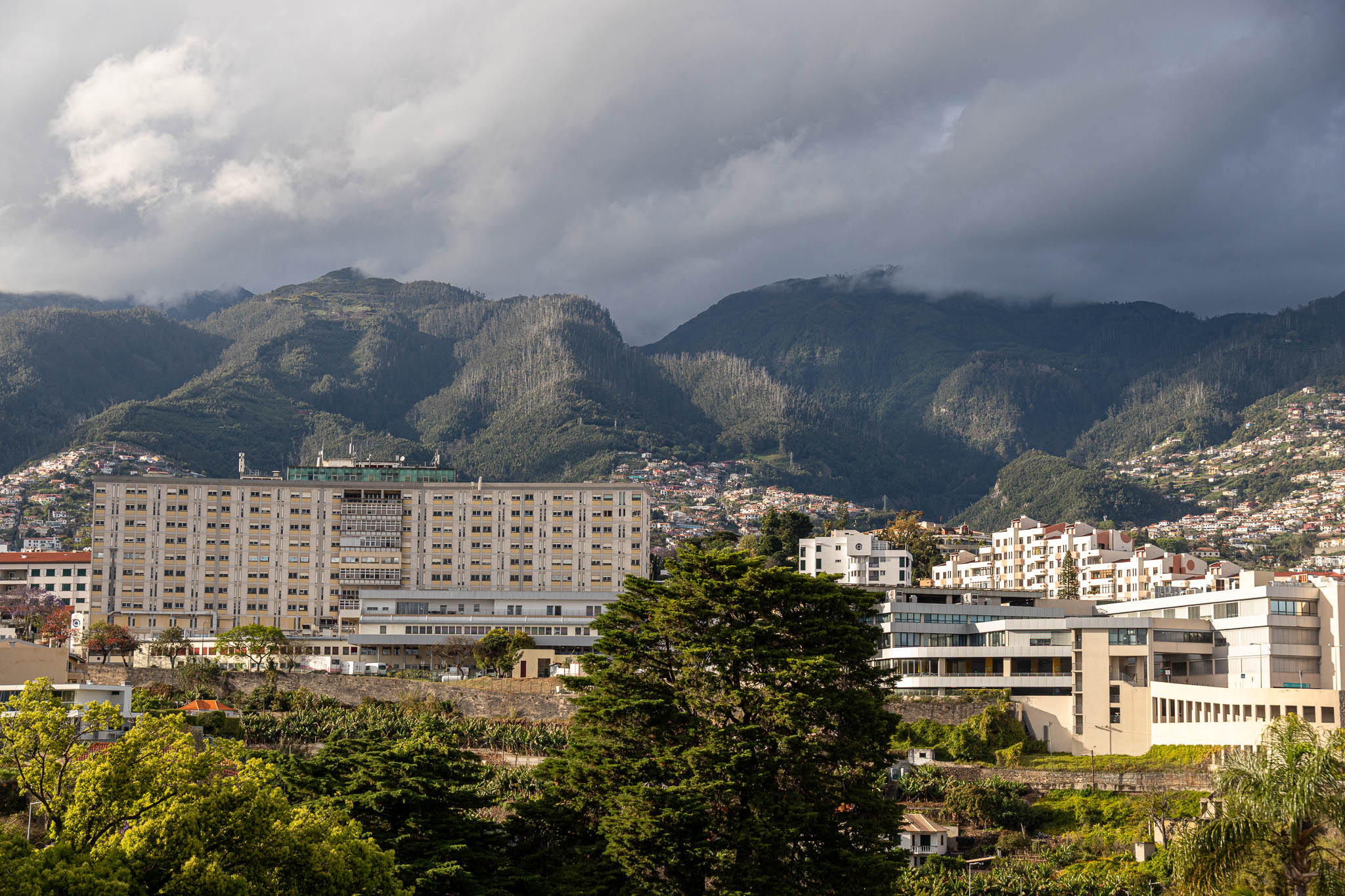
Today’s photos emphasise how the weather can change in a matter of minutes – particularly the clouds rolling in from the hill behind Funchal.
I had decided for convenience I would only take one camera, one lens and a teleconverter – 100-400mm f5.6-f8 which drops down a stop when using the teleconverter. I also used my Canon R7 which effectively makes the lens I was using – 160-640mm.
This works well for the seaboard shots but rather cramped my style onshore having to step back a lot further than was comfortable for close quarter shooting.
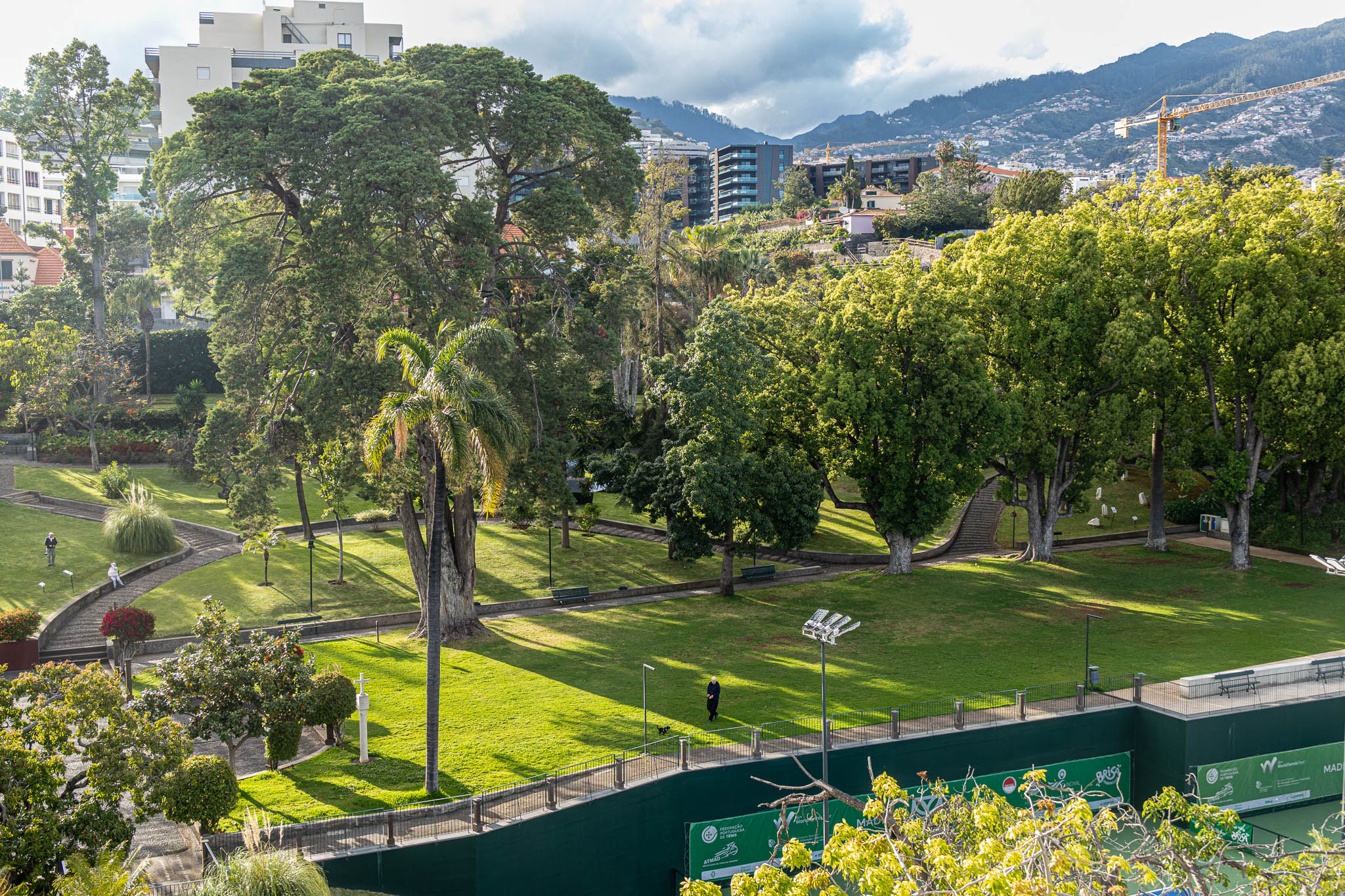
The weather largely improved onshore and we spent much of the afternoon in Funchal centre and a beautiful park situated alongside the boulevard leading to our hotel.
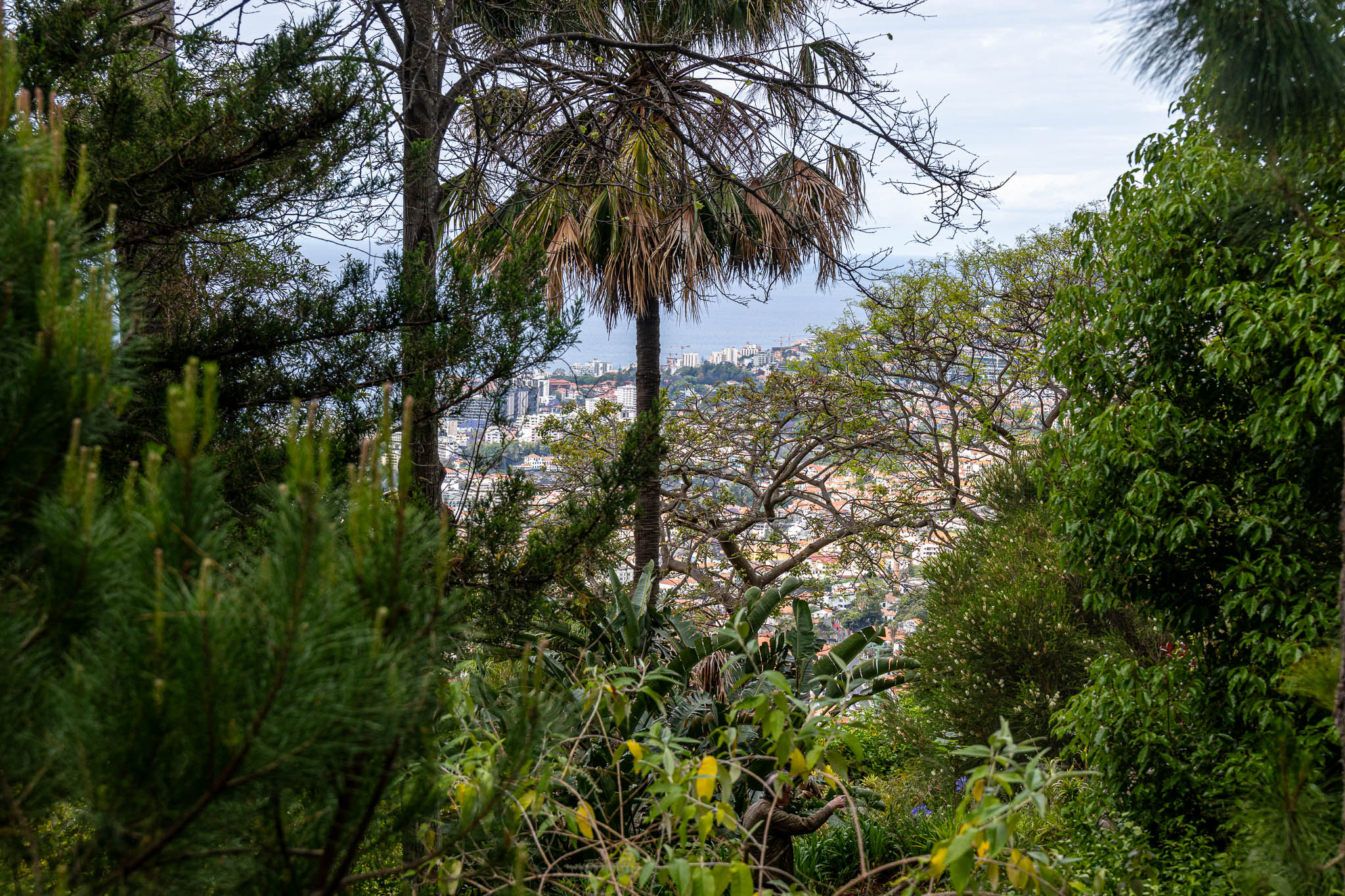
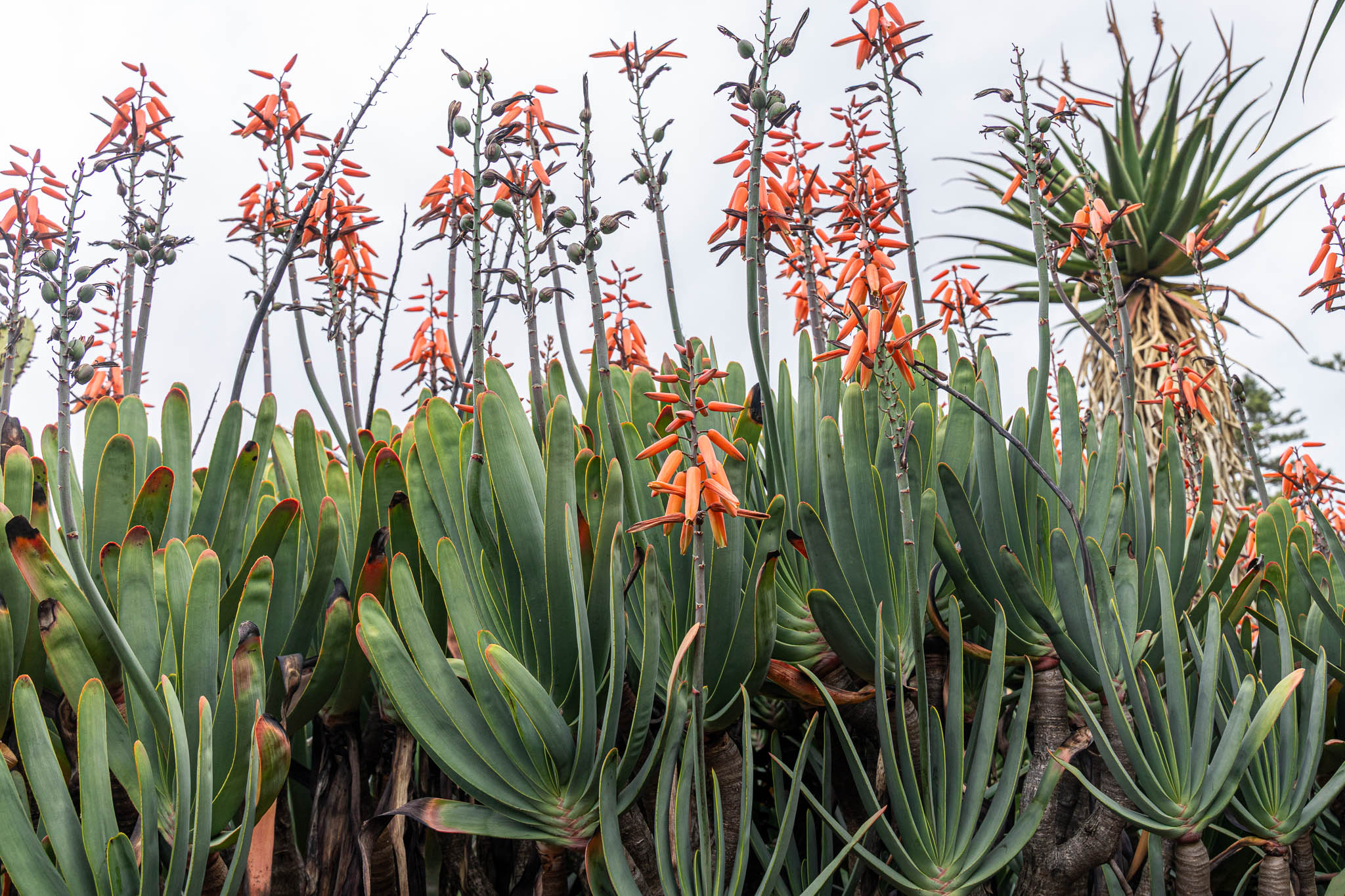
You may have guessed from the rest of the blog I am quite fascinated by the flora of wherever we visit. This park was no exception. Again, it reminded us of Madeira’s climate – many of the plants flourishing in the open would only survive indoors in the UK.
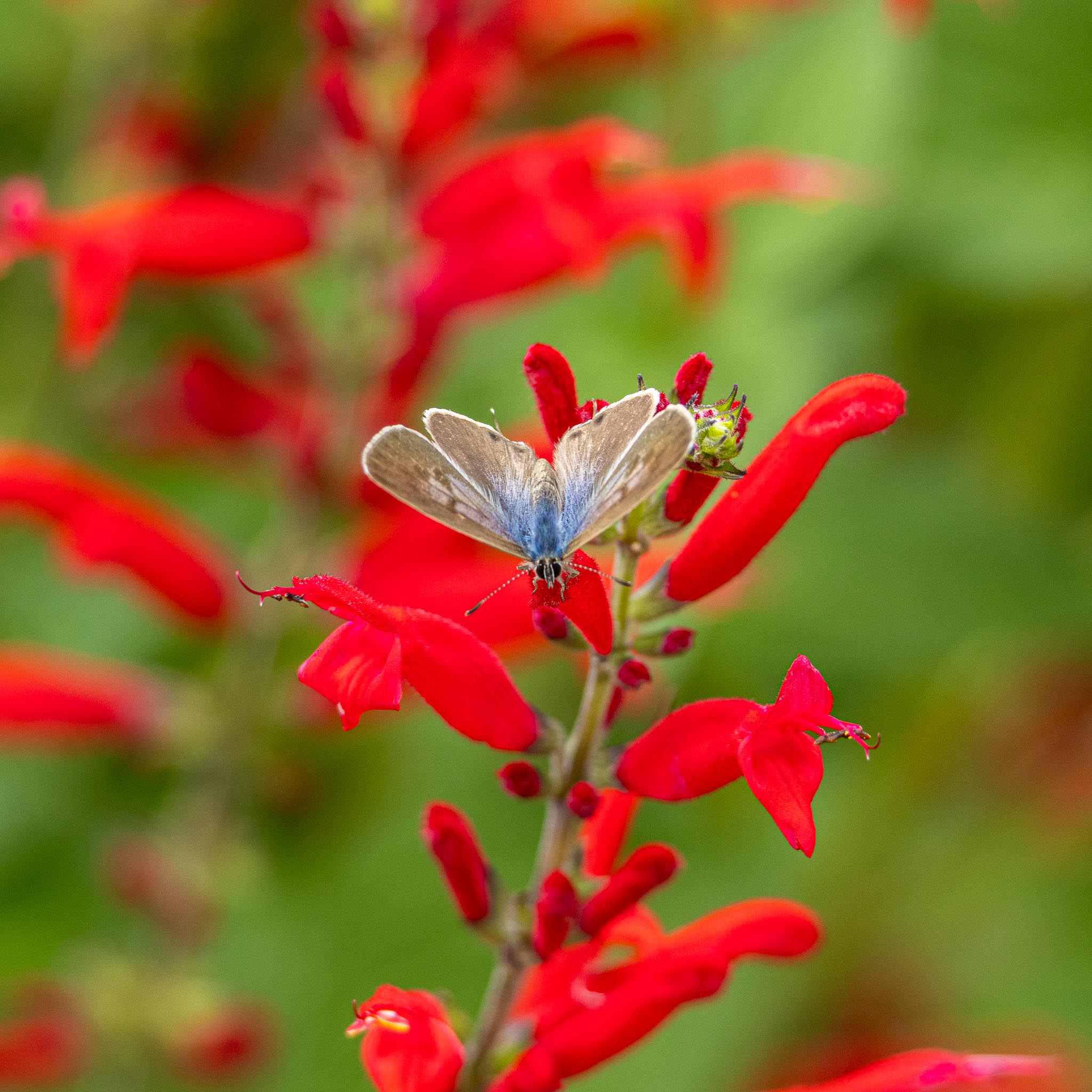
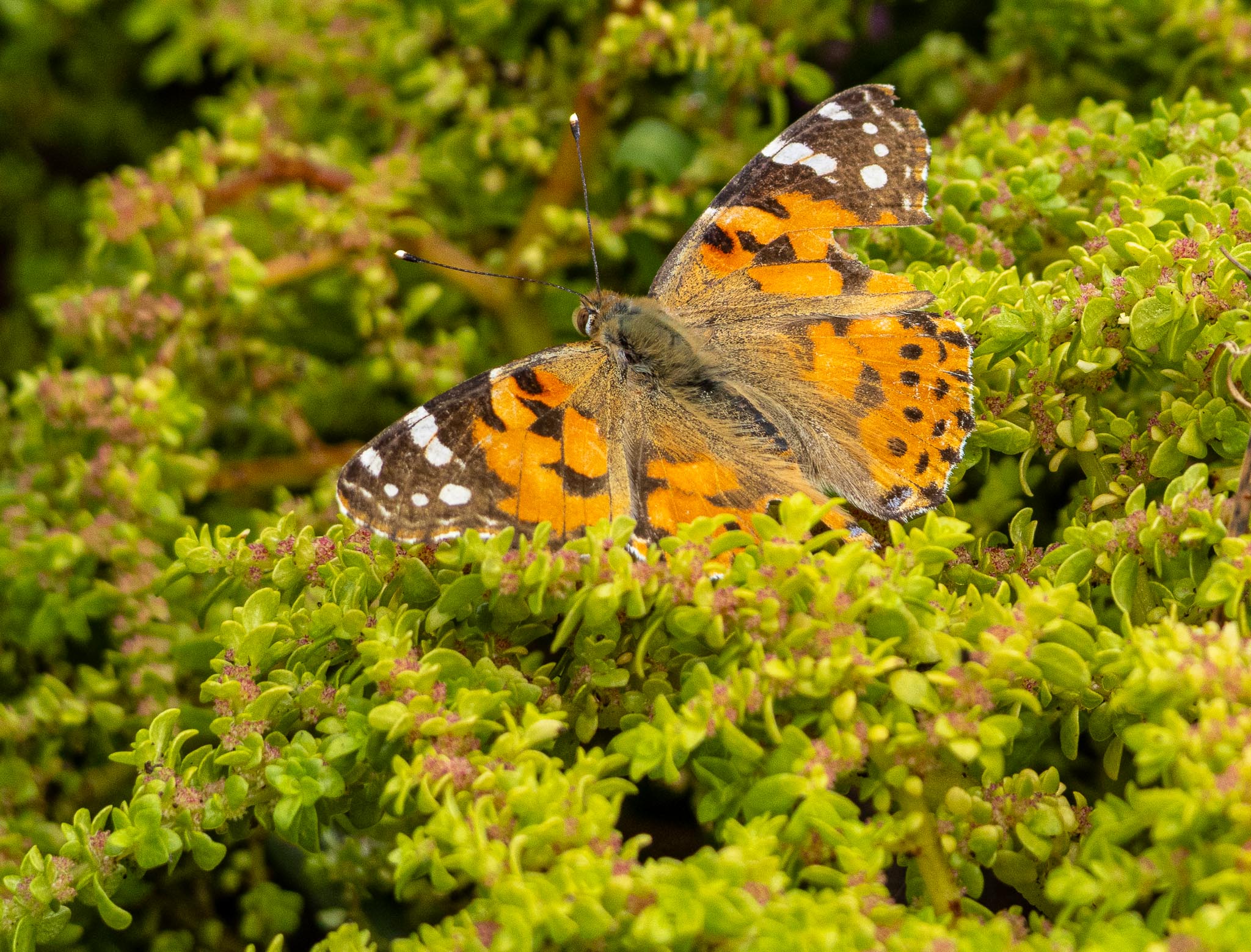
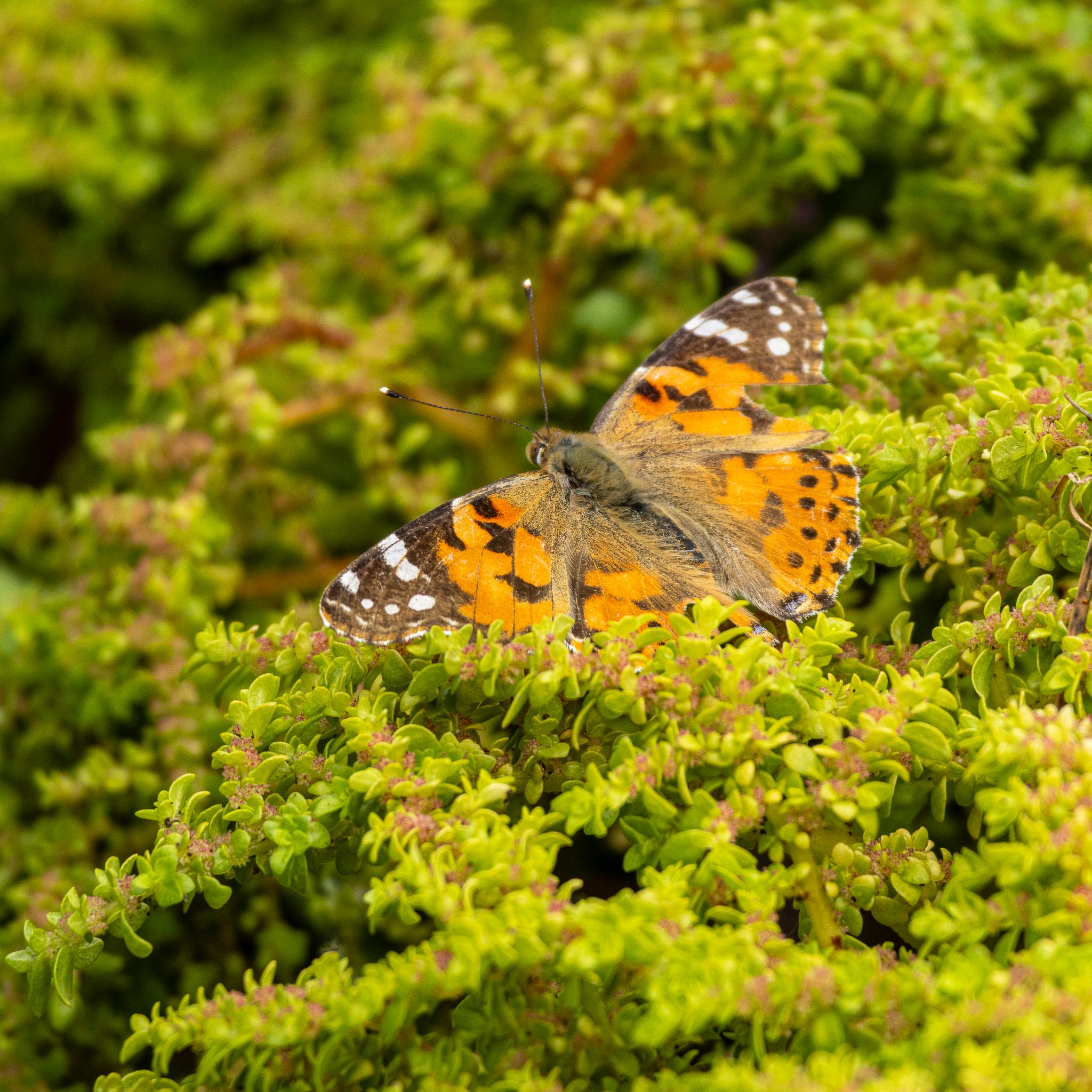
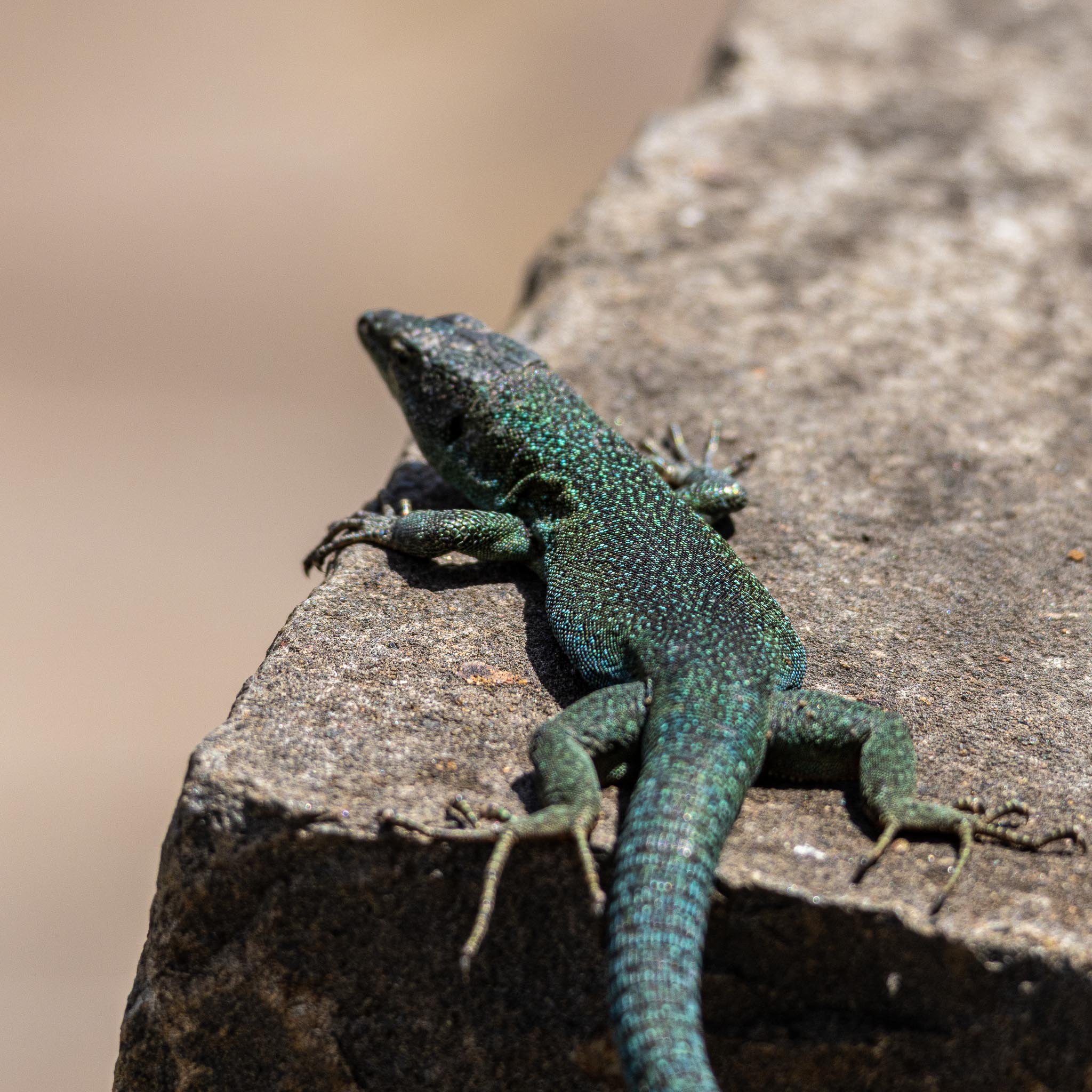
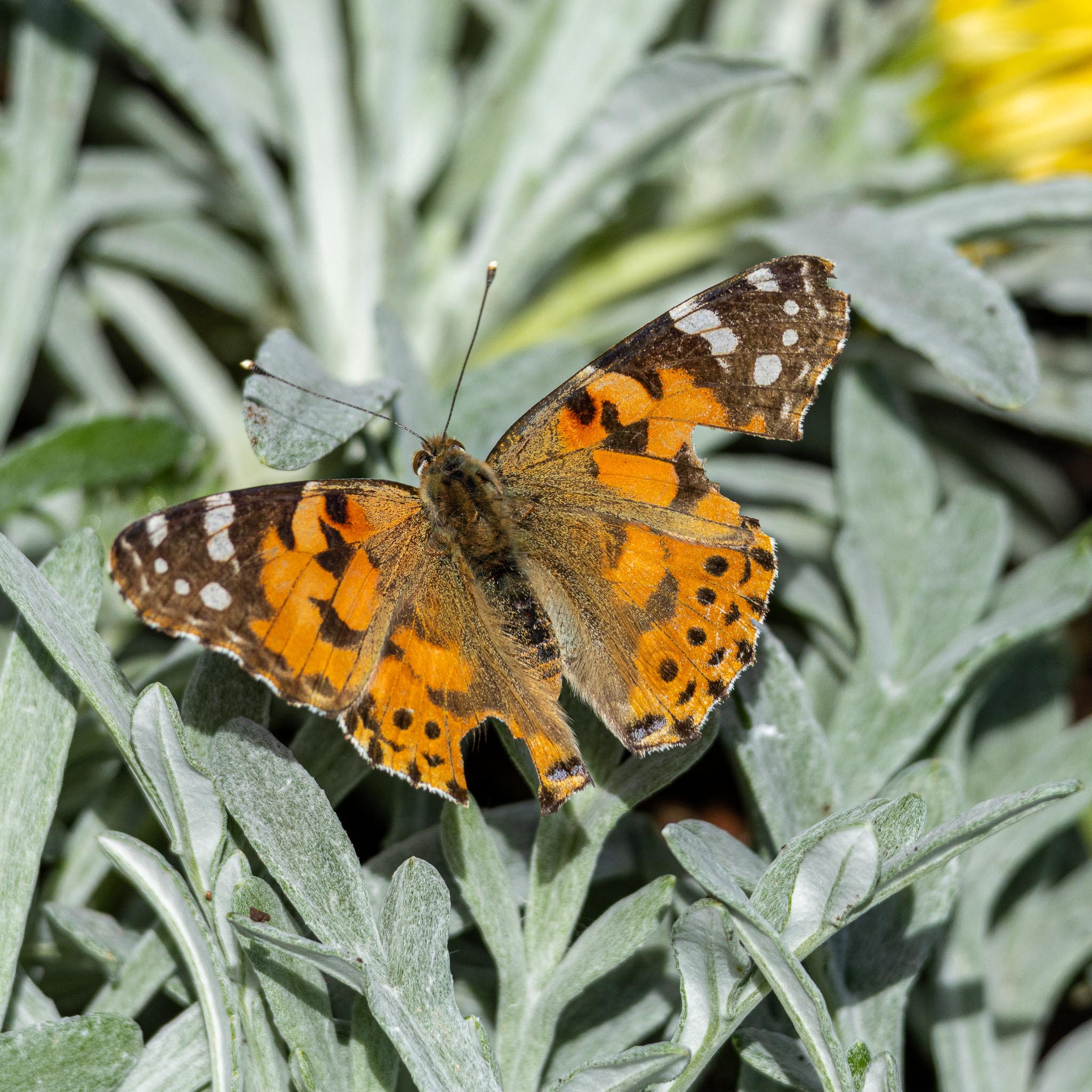
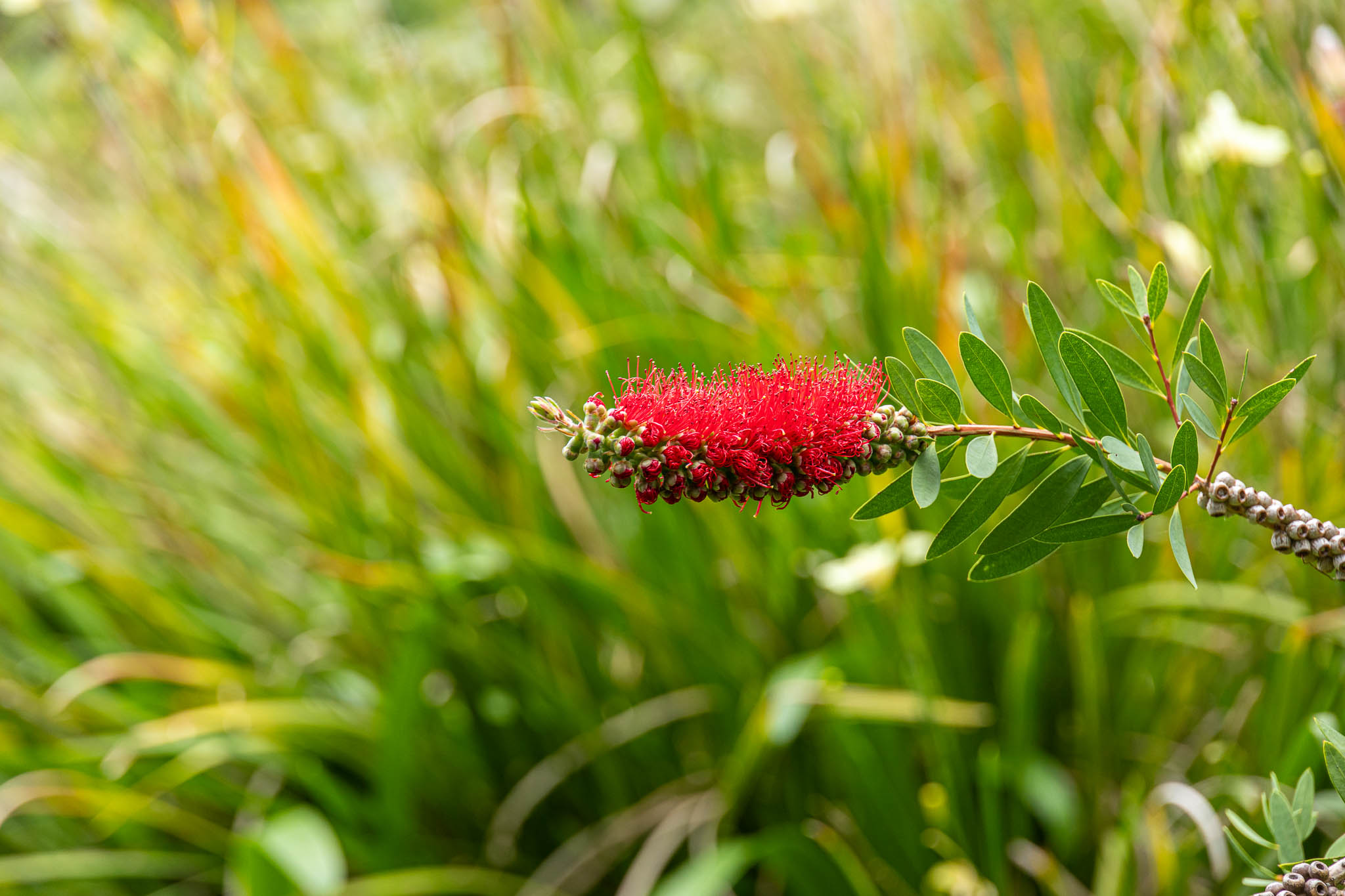
The long lens actually worked in my favour enabling close ups of a small translucent blue butterfly (as yet unidentified). a Painted Lady and a Monarch. Amongst the low stone walls there were plenty of small lizards taking advantage of the warm sunshine and although there is no photographic evidence, they were crawling all over a bottle brush plant.
DAY 5– AFTERNOON TEA (AND FUNCHAL IN THE MORNING
This was a day to take a relax and do virtually nothing. After all the previous 3 days had been spent at least in part in a minibus touring the island.
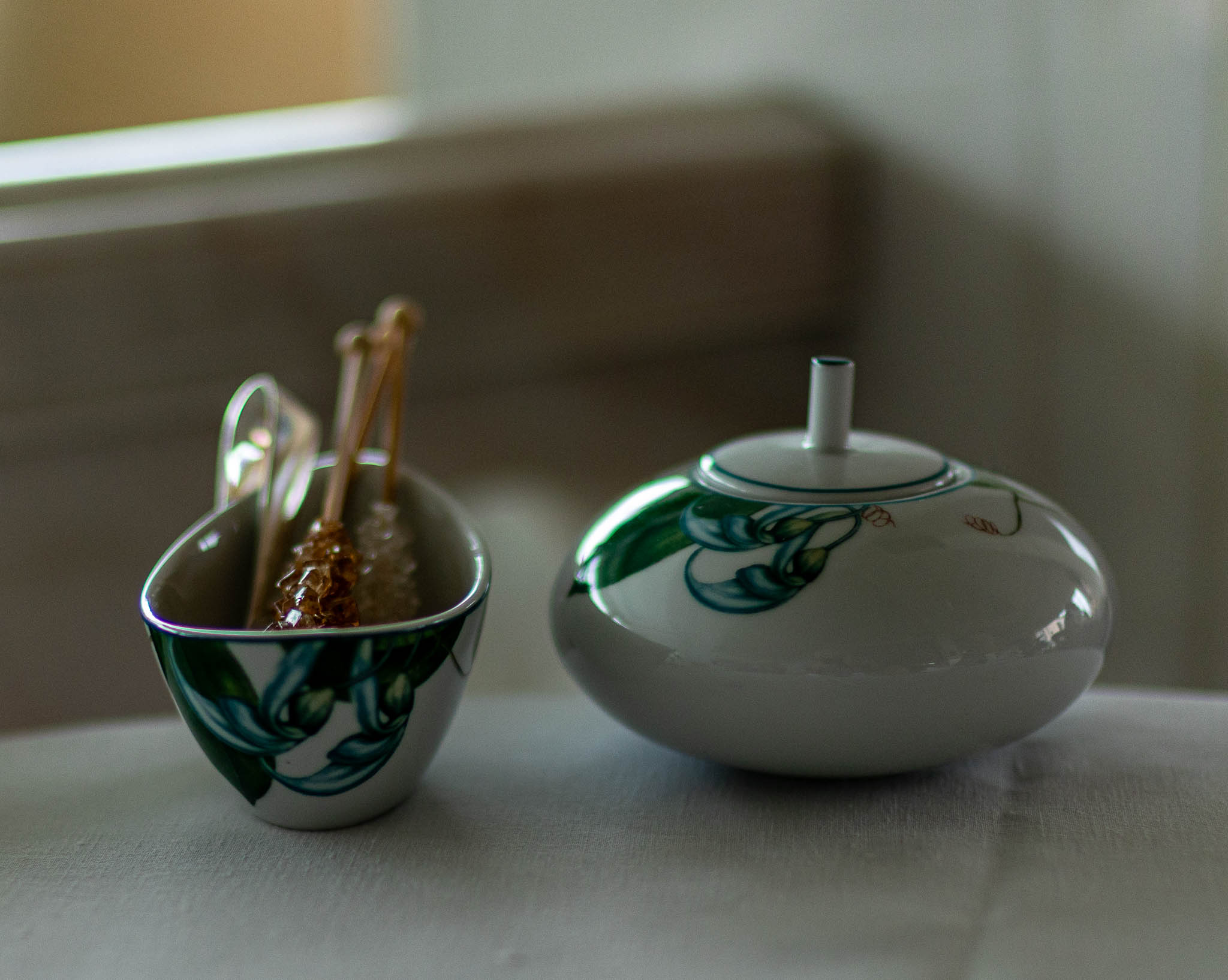
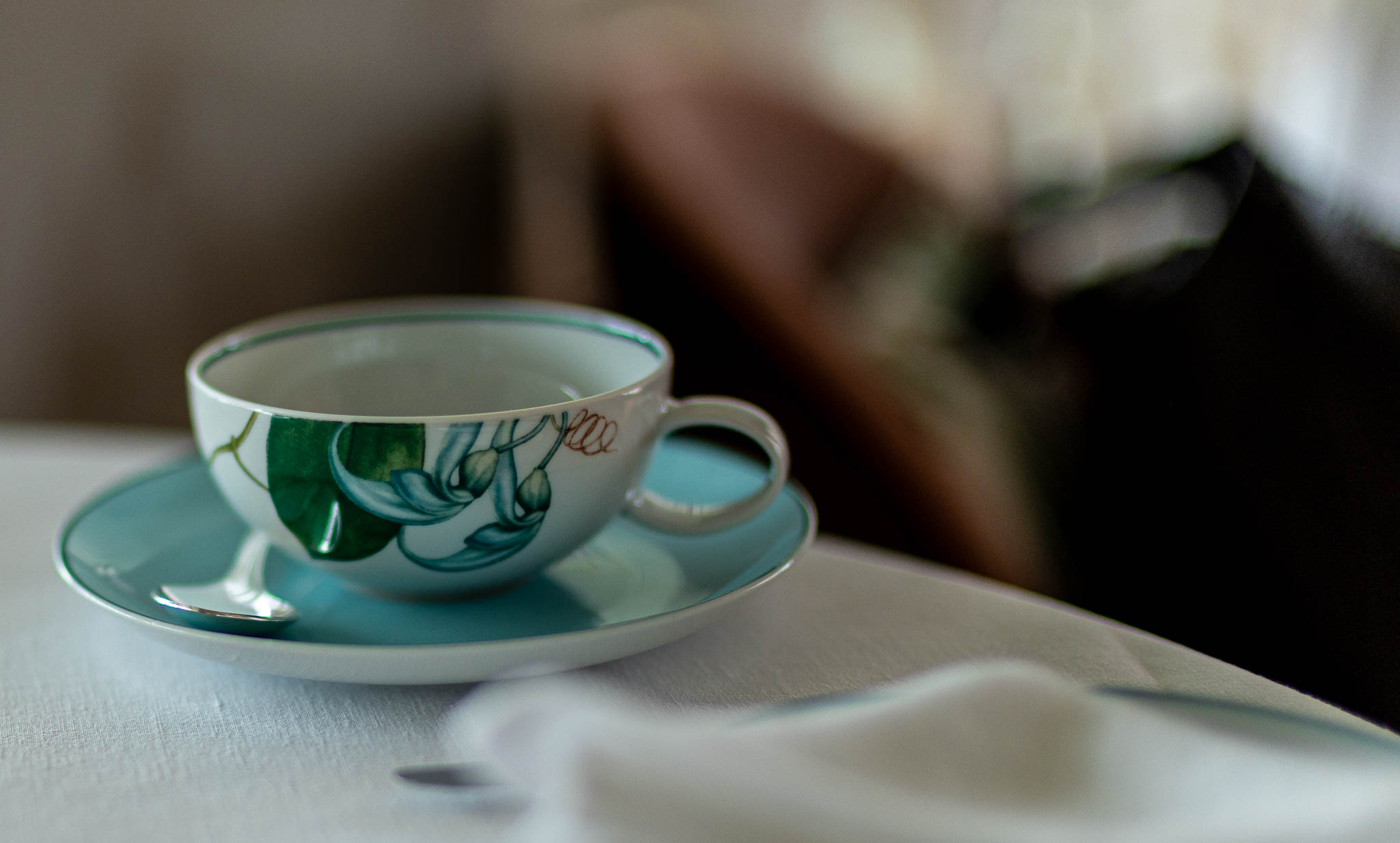
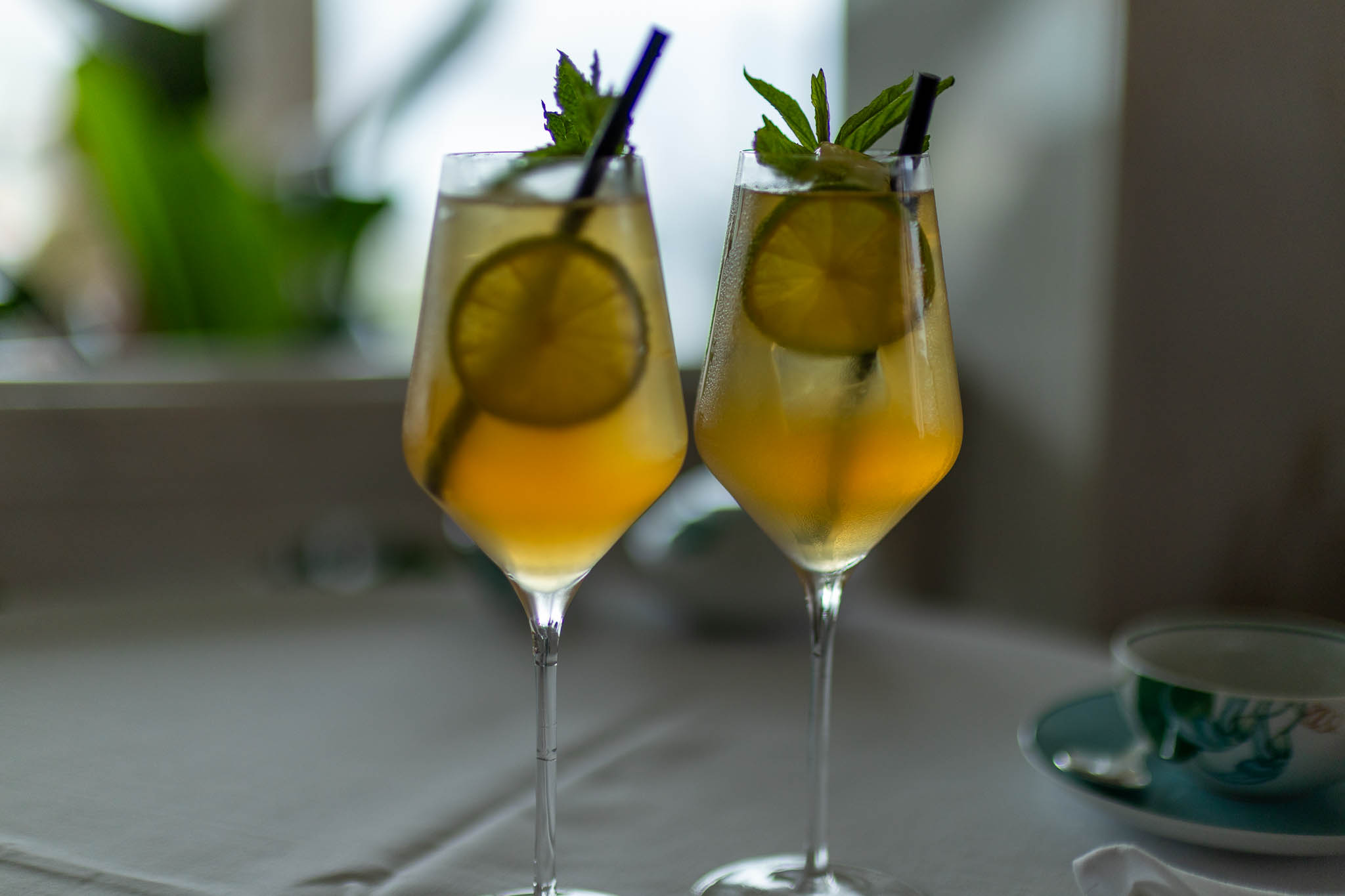
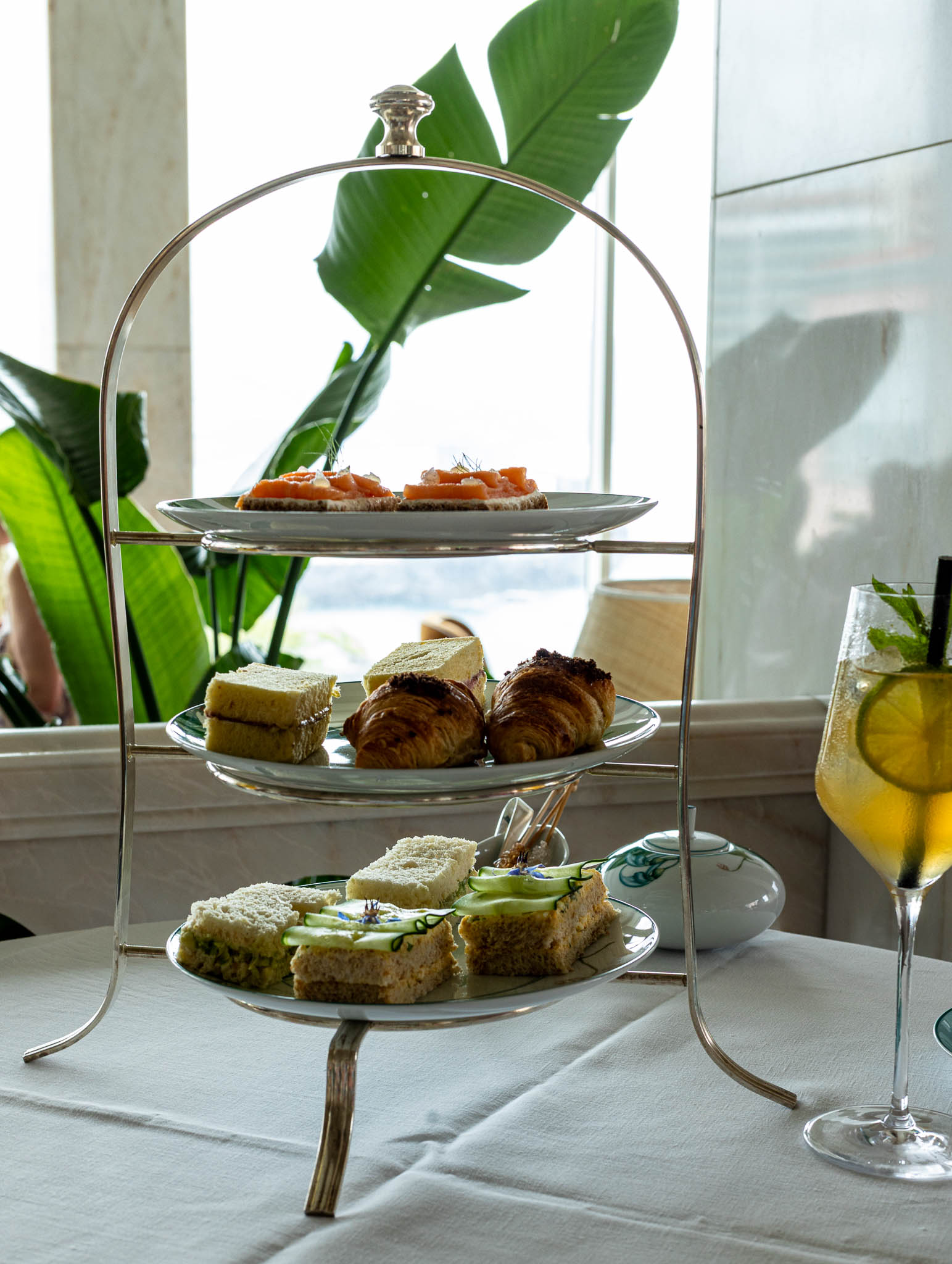
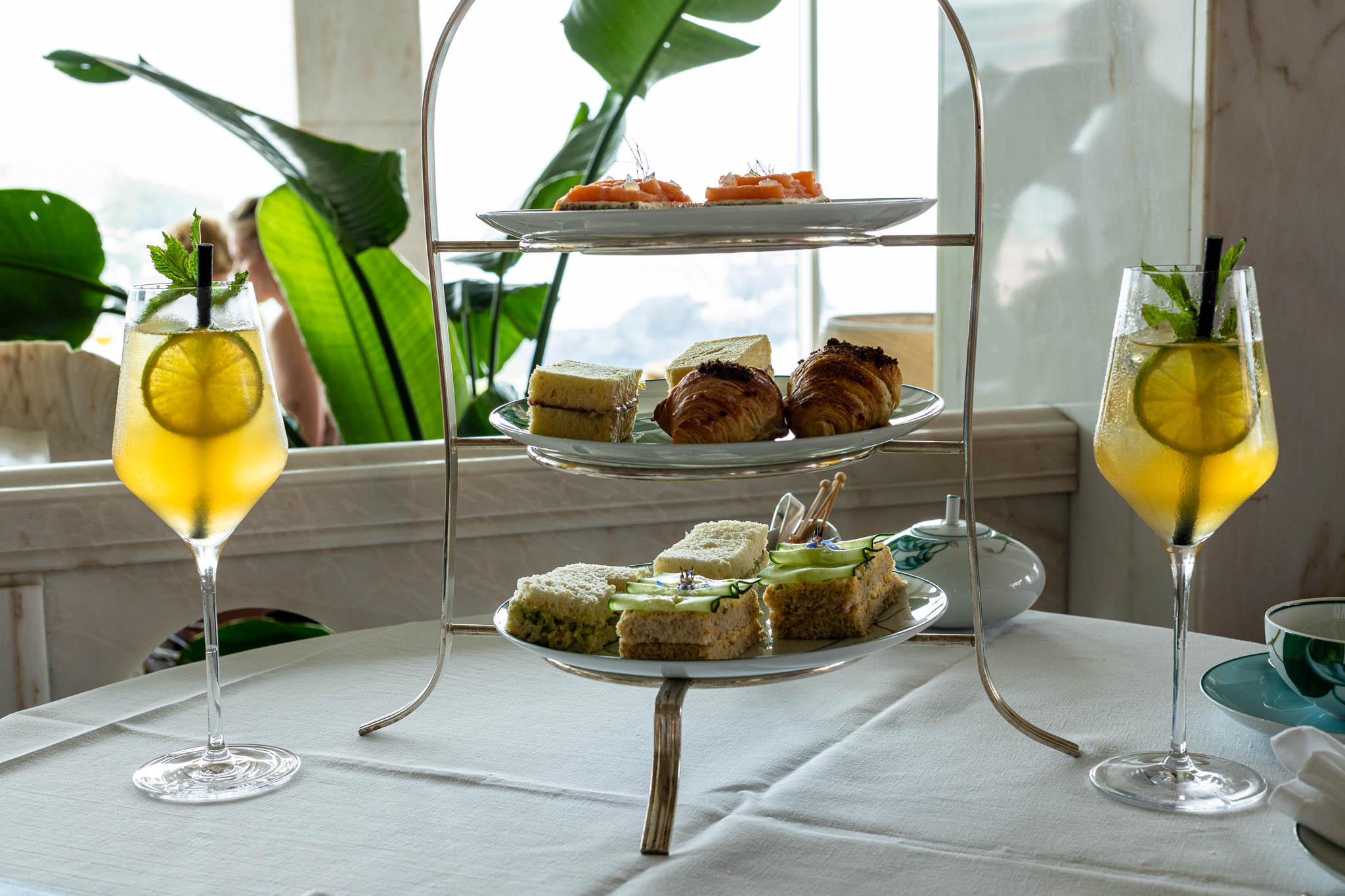
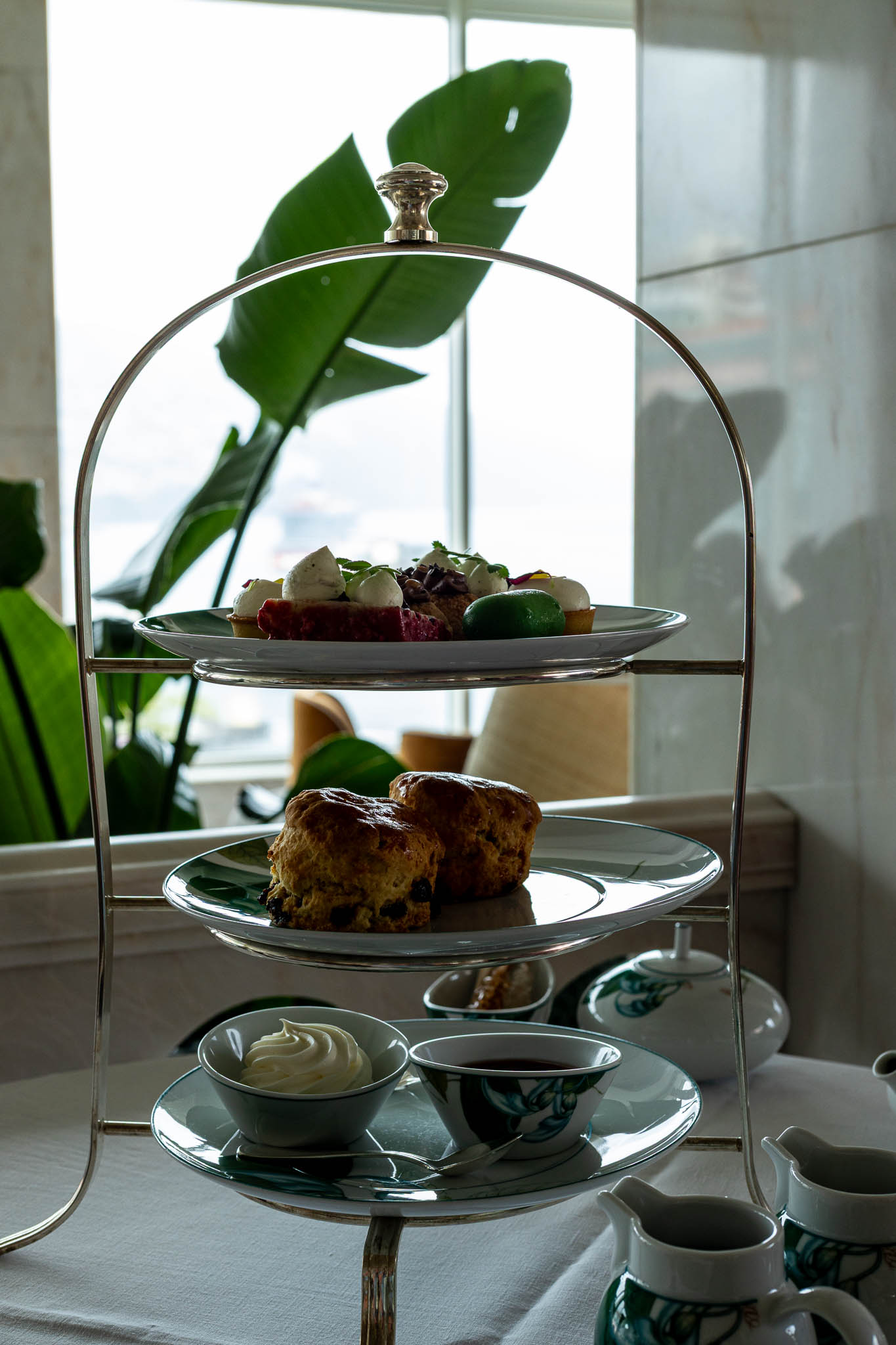
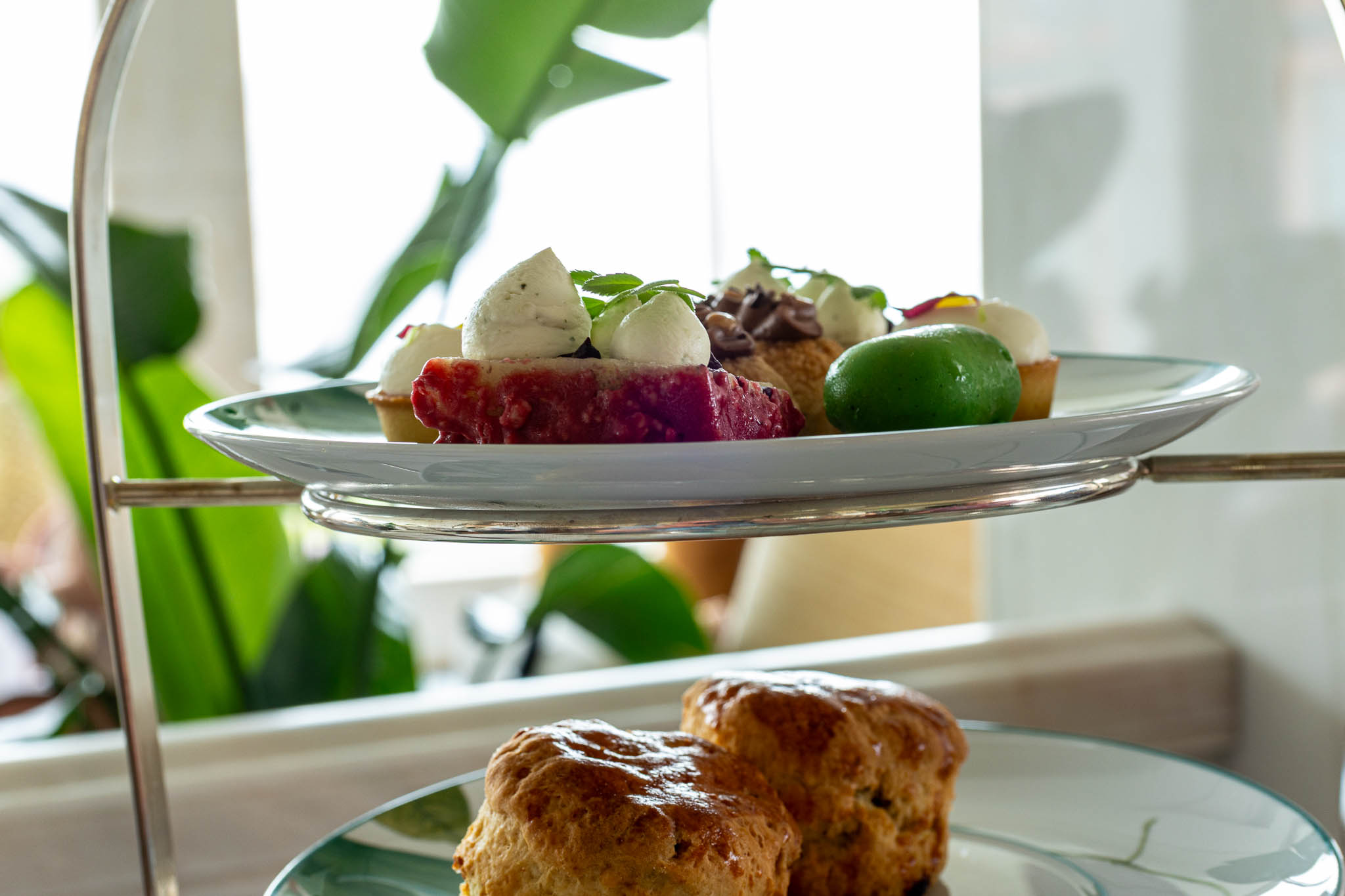
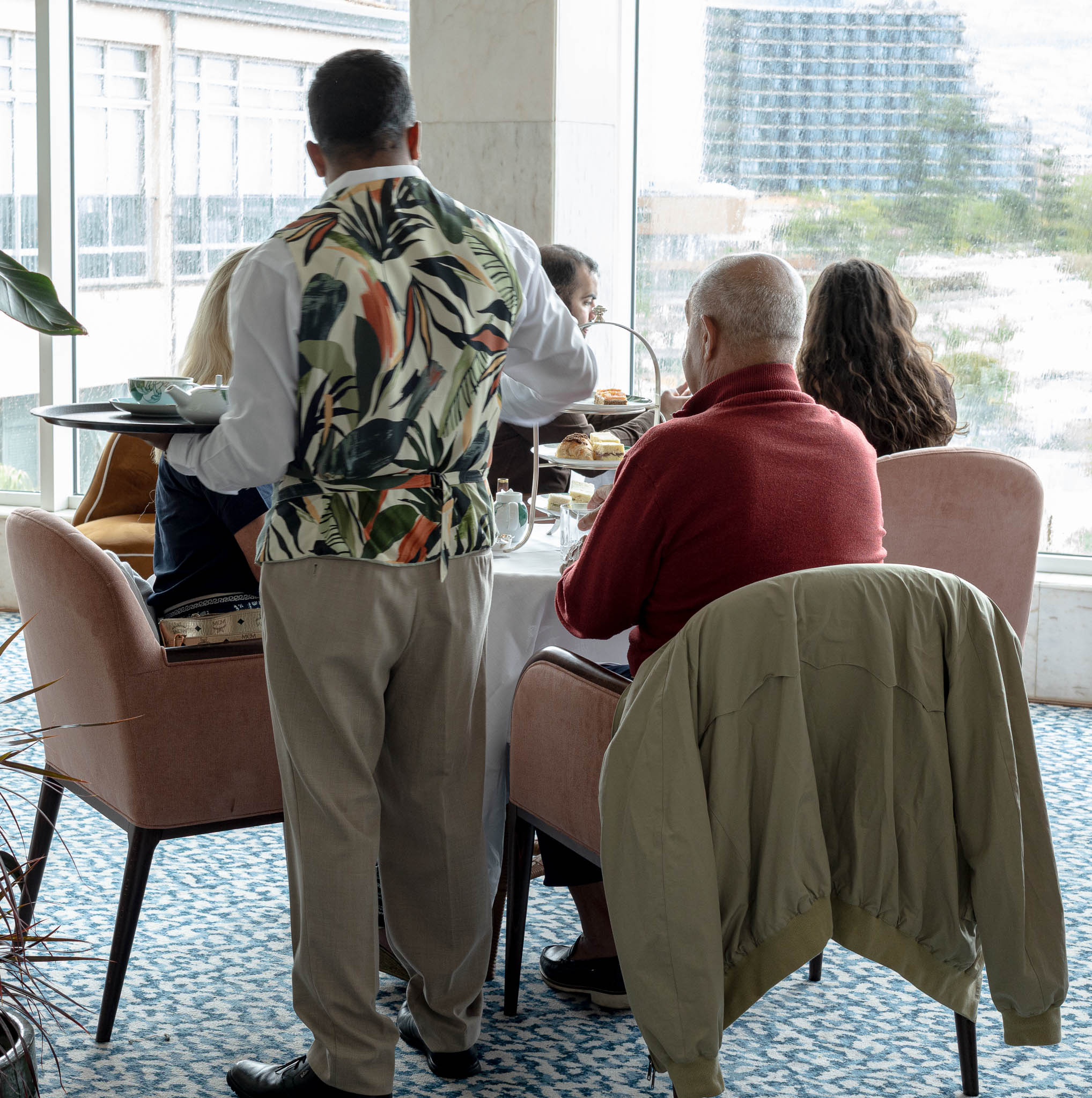
The afternoon had been pre-booked for a long time. Our wedding anniversary – 47 years and counting. Afternoon Tea – more of that later.
The day dawned with torrential rain and clouds obscuring the sea view. It wasn’t going to be the sunny Madeira we had come to know on all of our previous visits.
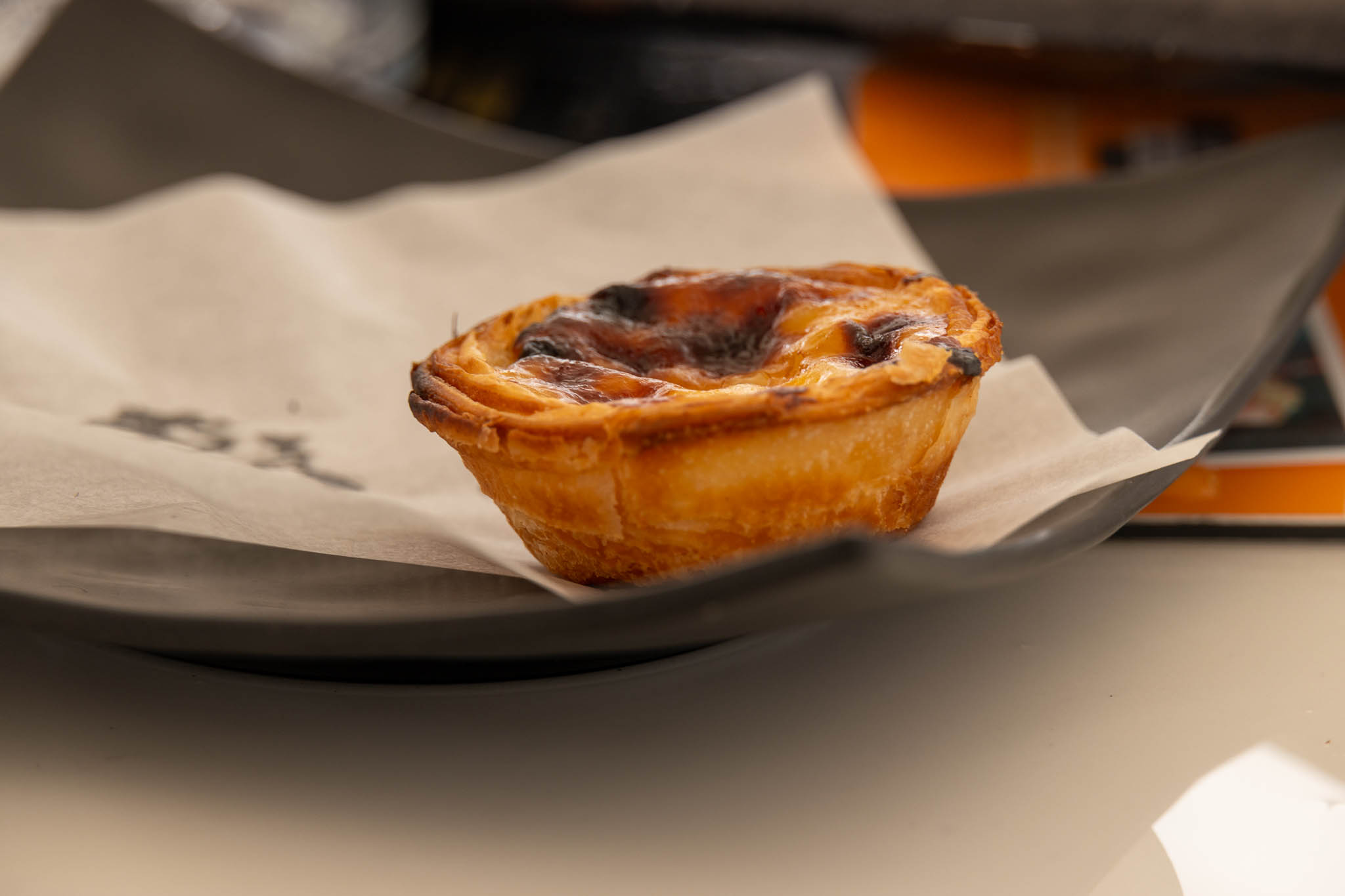
Nevertheless, breaks in the weather enabled us to walk down into Funchal and enjoy a walk and a coffee. Having watched Michael Portillo’s weekend breaks in both Porto and Lisbon and the plethora of food he consumes it would have been rude not to order the traditional Portuguese tart – Pastel de nata to accompany the coffee. This will be continued on further trips to Madeira or Portugal.
You will see a long line of yellow taxis which creates an interesting photo. The queue moves up the hill as the taxi at the front is taken. I was hoping to see what I had seen in the past – each driver physically pushes their car up the hill. No so this time – perhaps the drivers were fitter years ago.
The weather was inclement and you can see from the photos that the cloud had rolled right down into the town. It did not occur to us that this would disrupt arrivals by air. We discovered two days later that the flights from Gatwick were diverted to Faro on mainland Portugal. For an inexplicable reason passengers were not given hotel accommodation but flown back to Gatwick – thereby losing a day of their holiday!
A slight disappointment for the afternoon – the hotel is sorry that because of the inclement weather – our afternoon tea would have to be moved indoors rather than being held on the veranda.
No problem really although the veranda and sunshine would have made the day perfect.
Now some background to the occasion.
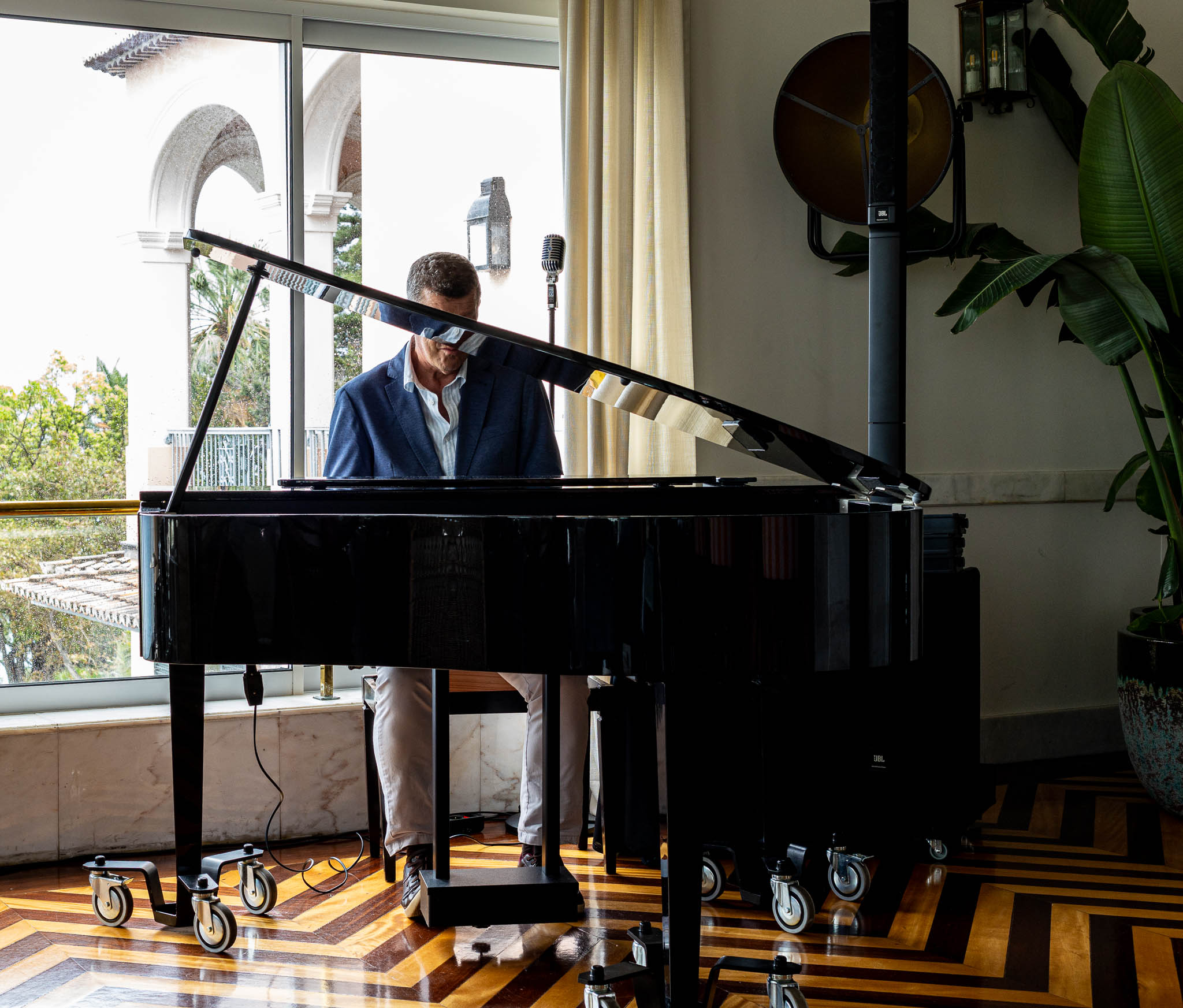
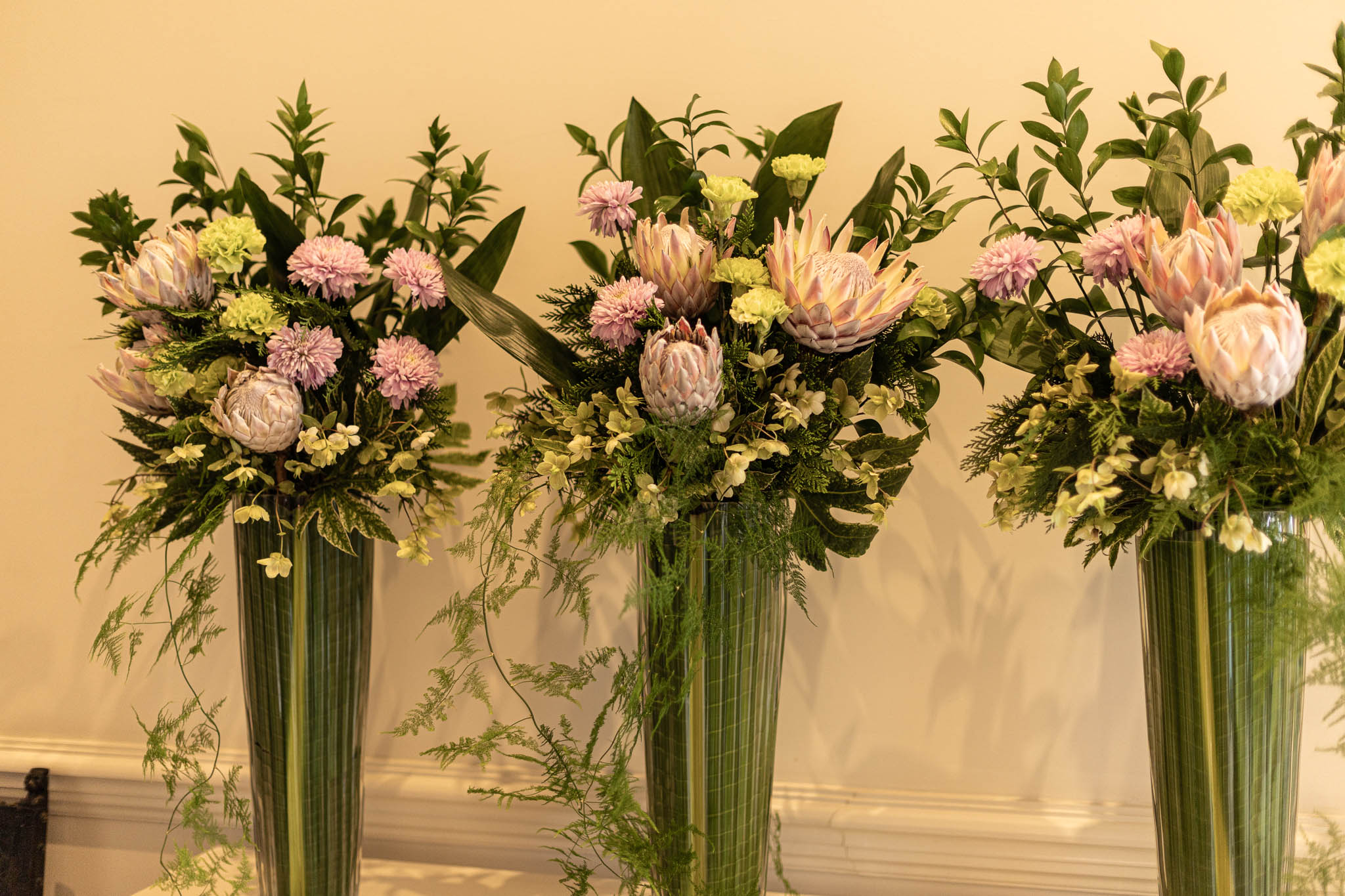
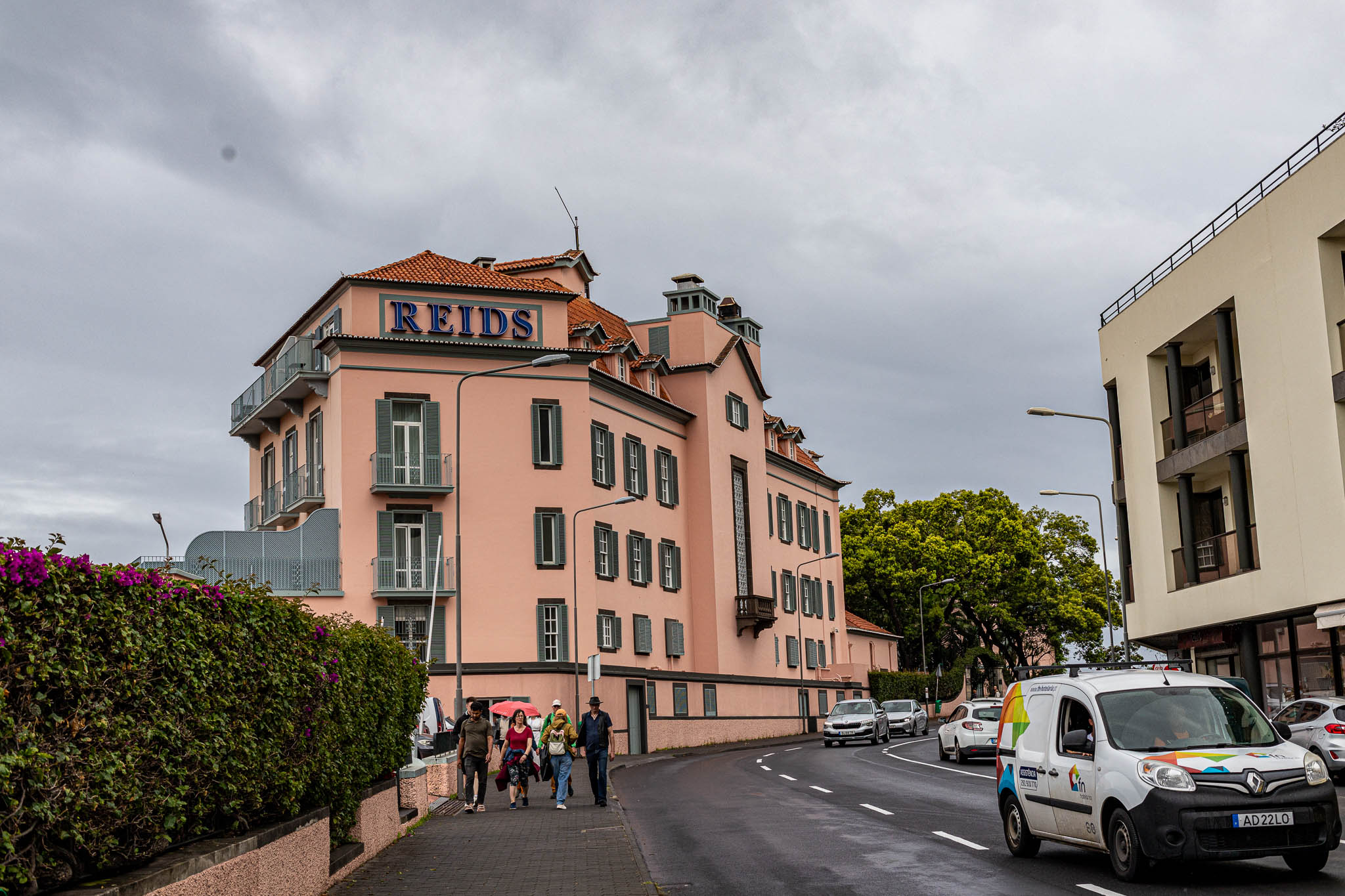
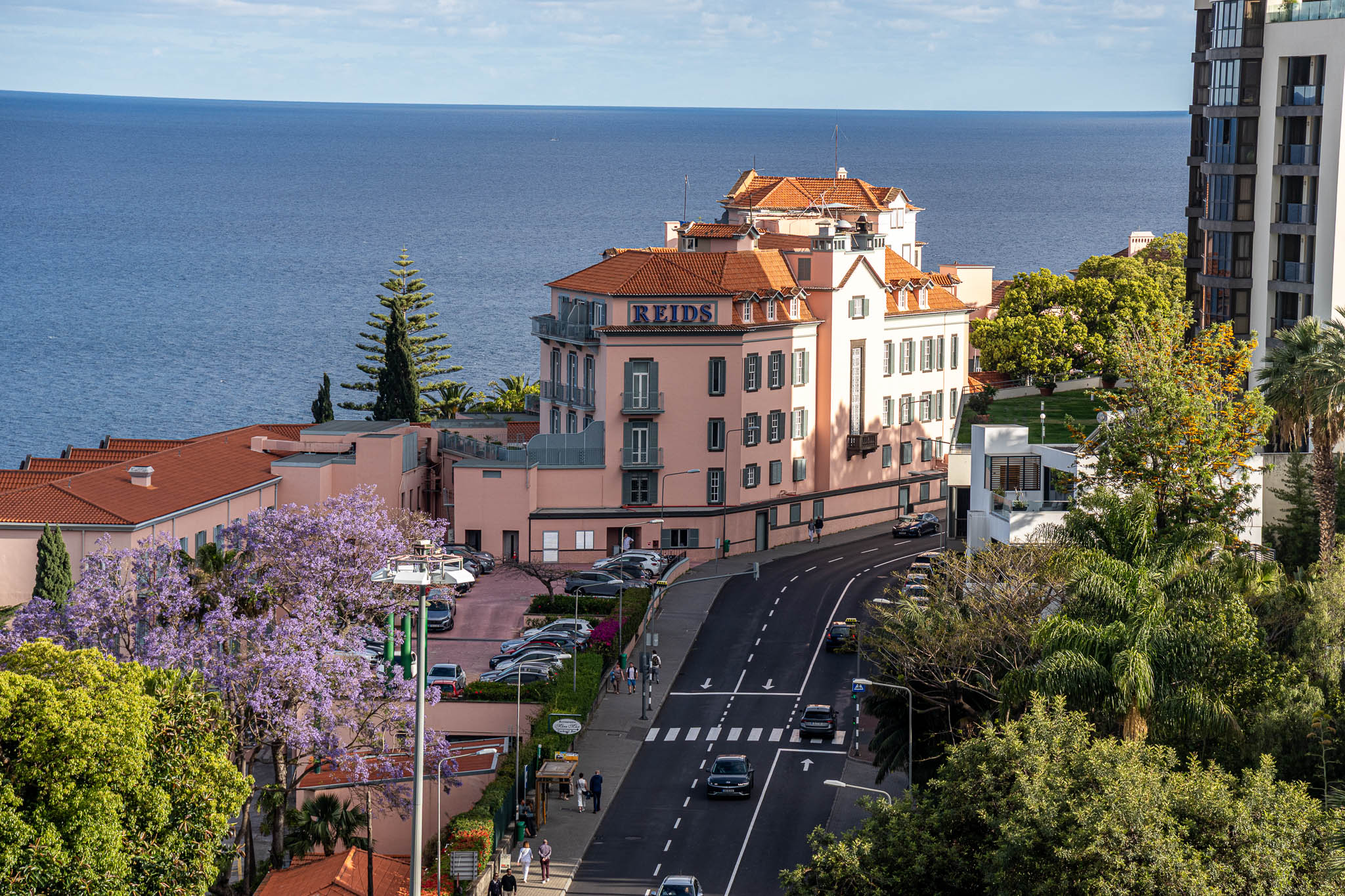
Belmond Reids Hotel is set on the top of a cliff commanding views of Funchal and the Atlantic Ocean. It is luxury – if you want to stay there it is €703 a night – Room only.
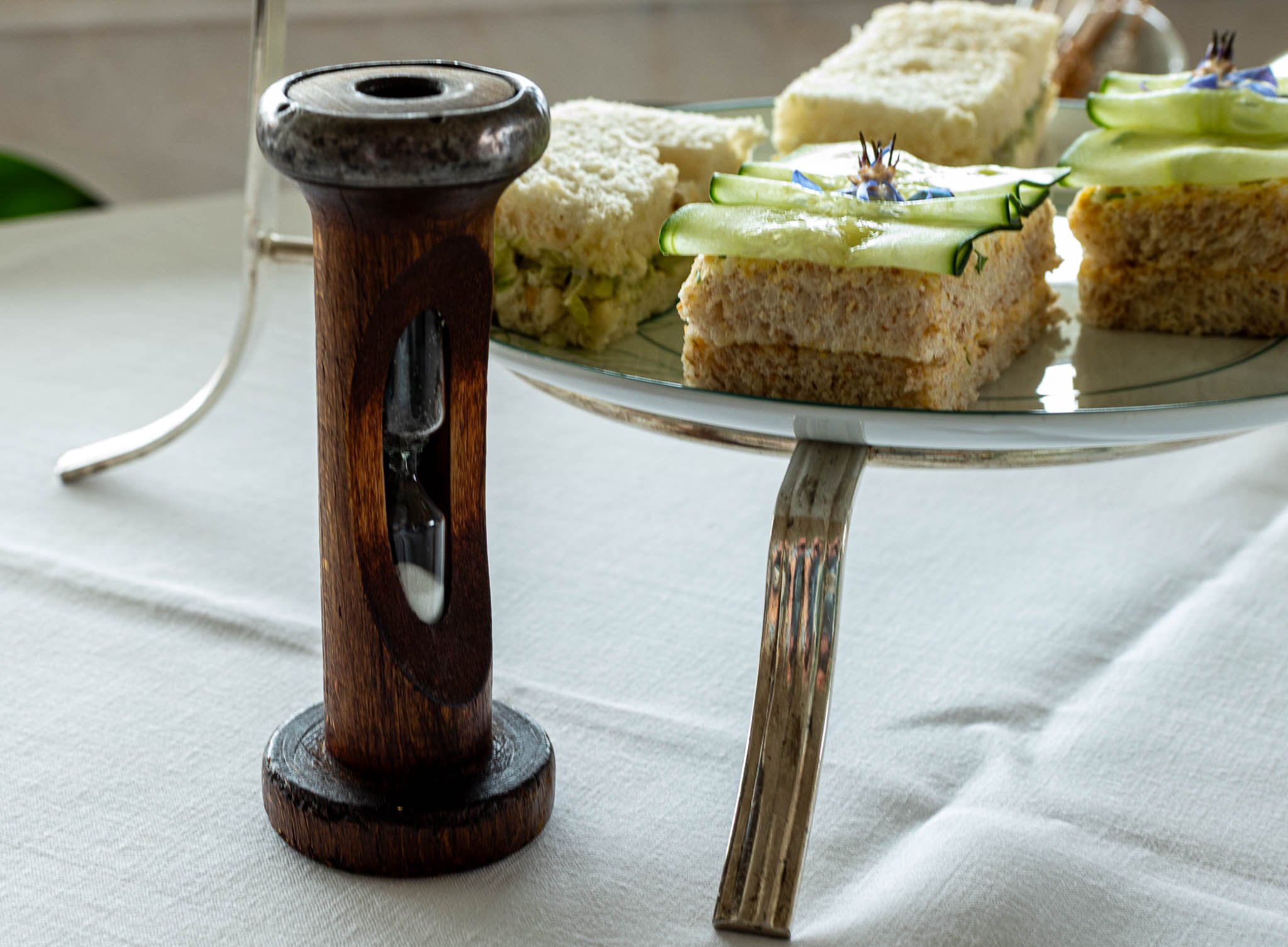
Needless to say, we were only there for Afternoon Tea. It was an indulgence and expensive one at that, but it was enjoyable. Please note we polished off all the sandwiches and cake and drunk what seemed like gallons of tea!!
DAY 6 – EAST COAST
This day proved that Madeira can be an island of many seasons. As far as I can remember, the weather when we left Funchal was pleasant with hazy sunshine and warm enough to be in shirt sleeves.
It doesn’t take long to move off the relative flat on the coast – the roads become windy, steep and narrow.
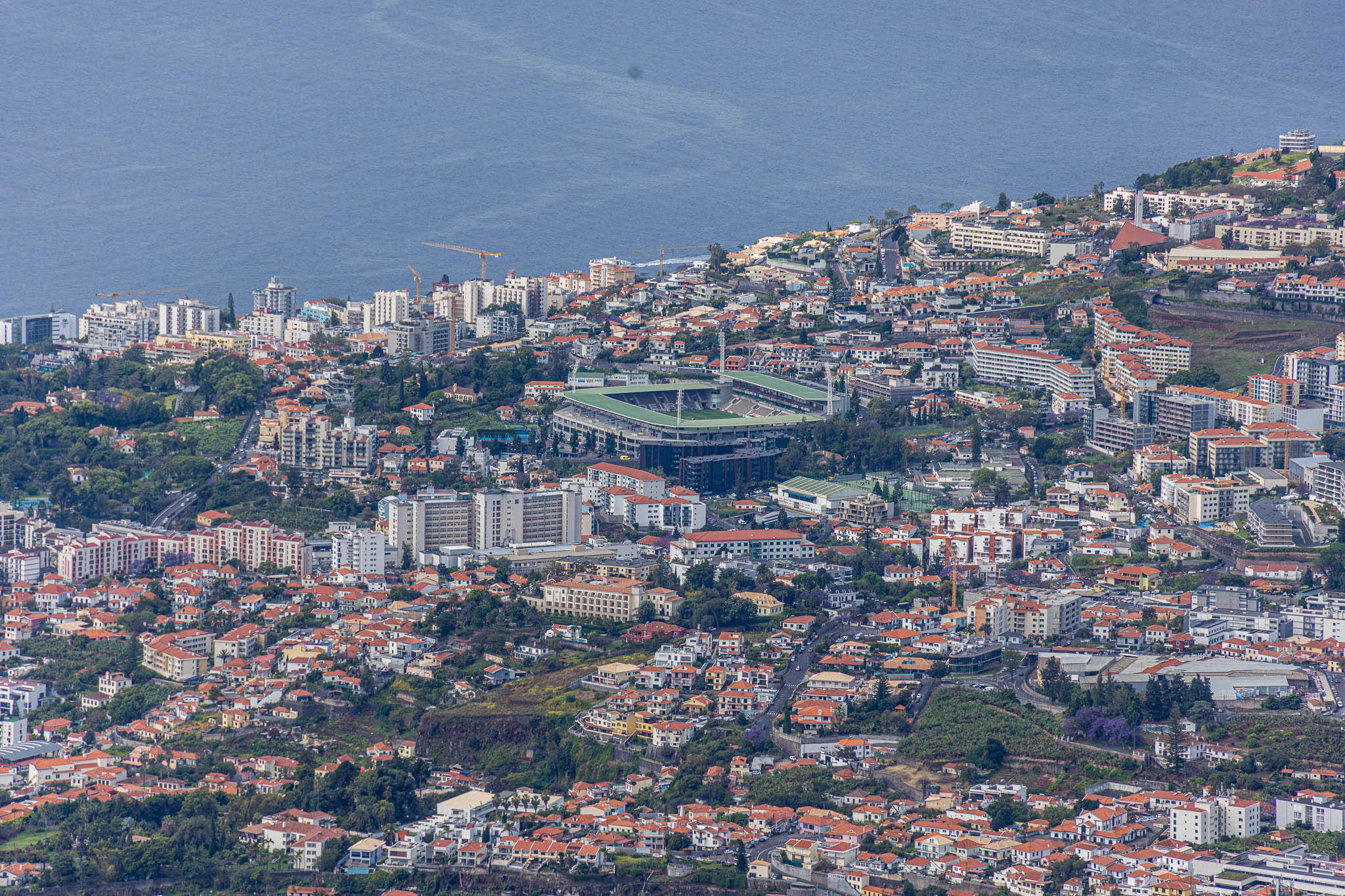
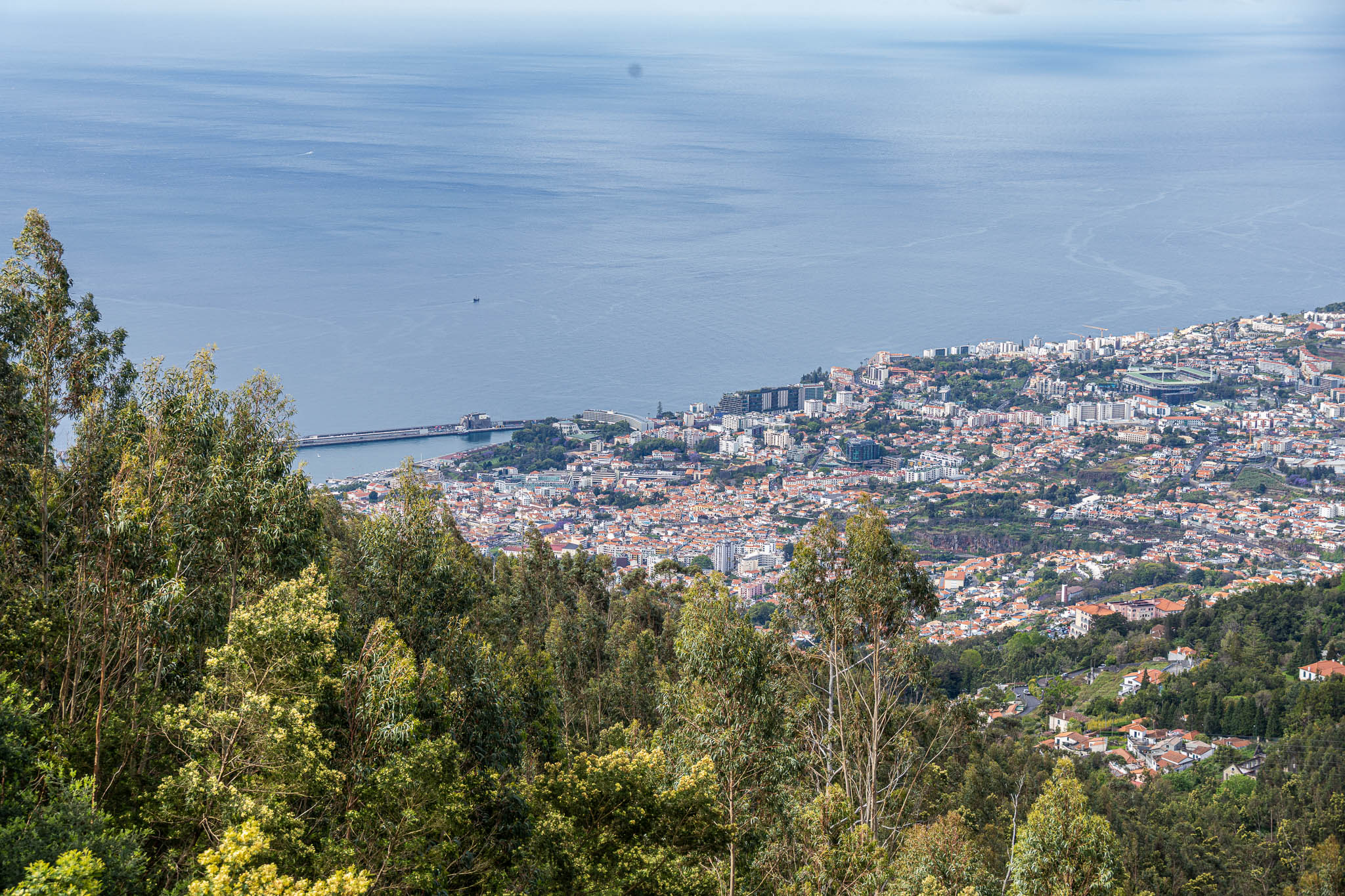
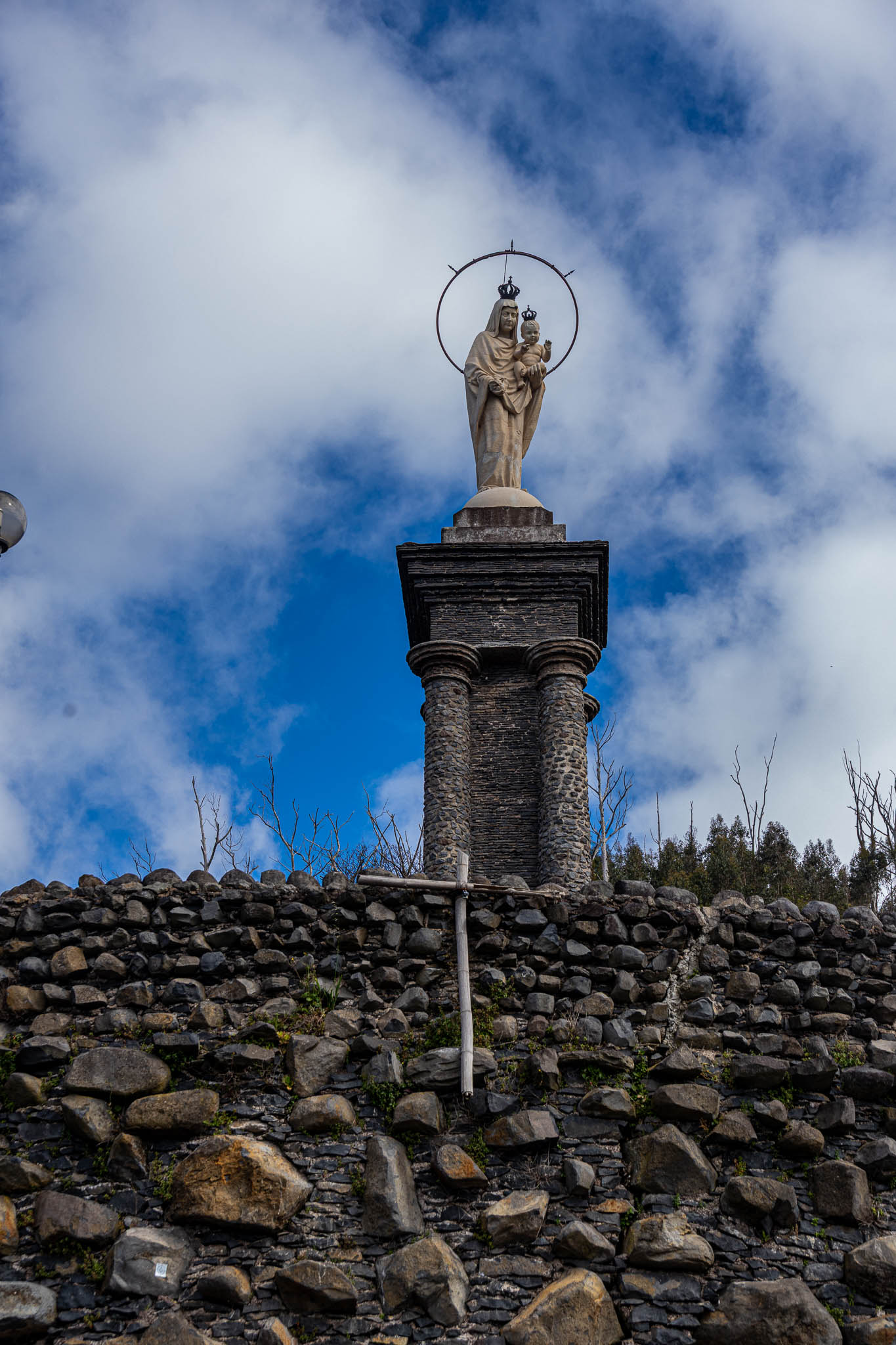
Our first stop was Terreiro da Luta – around 2,805 feet above sea level. Another exceptional panorama, and a place steeped in history. The viewpoint offers yet another magnificent view of Funchal Bay. In 1927, a monument to Our Lady of Peace (Nossa Senhora da Paz) was inaugurated here in gratitude for the cessation of the bombardment of Funchal by German ships in 1917.
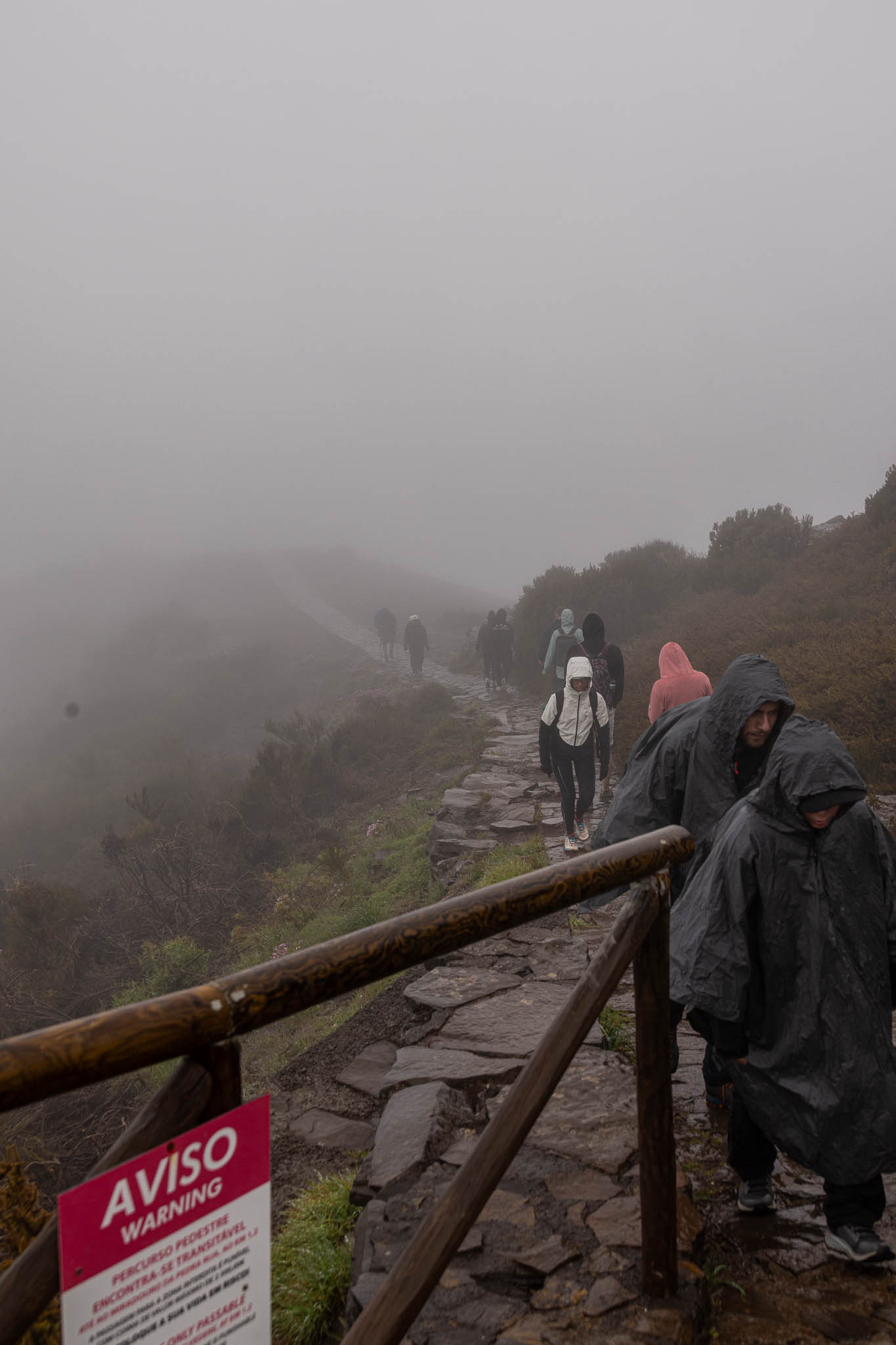
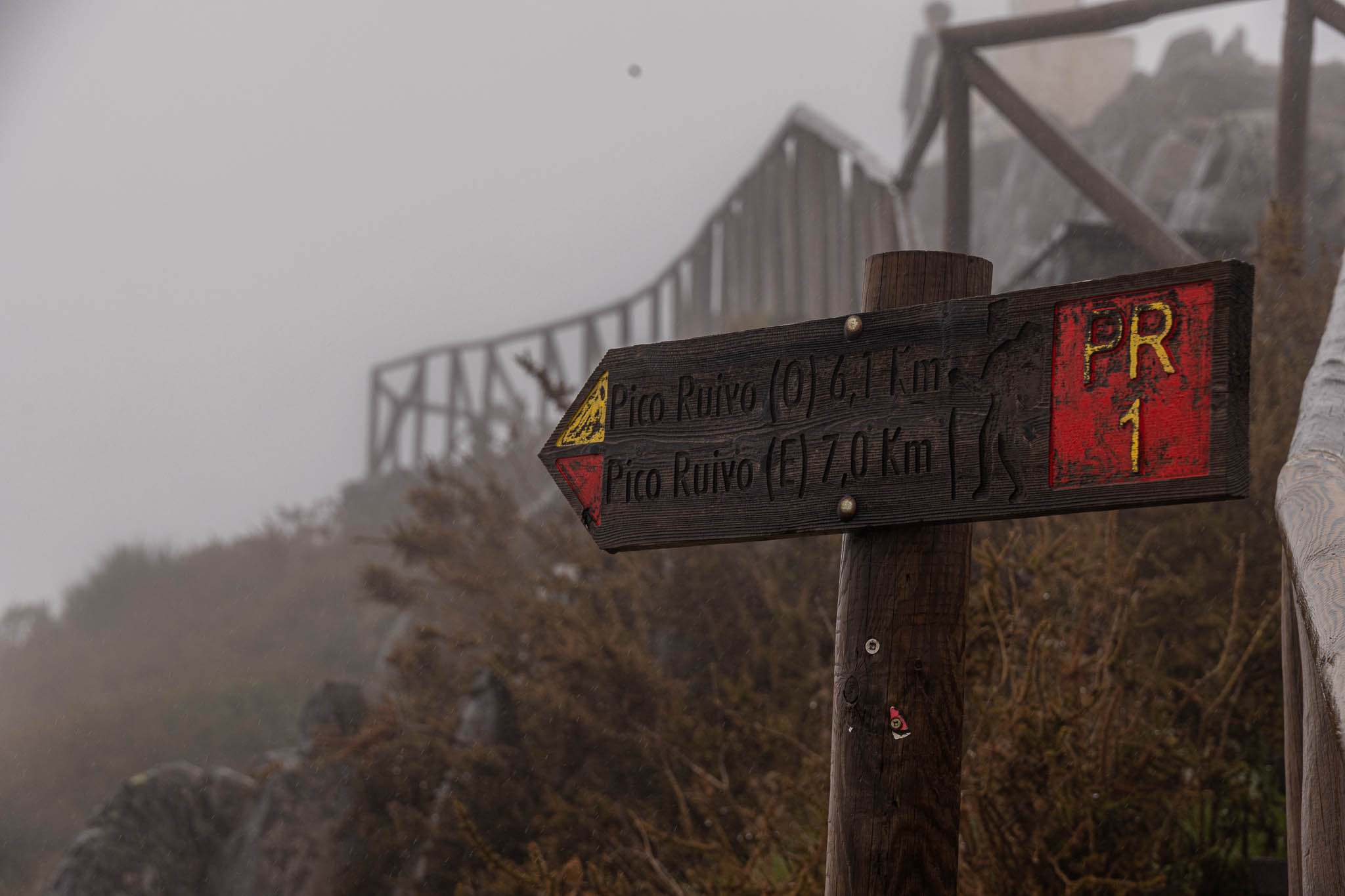
For our next stop we climbed to the highest point on the island called Pico de Arieiro at 5,938 feet roughly in the centre of the island. Because we have visited before we can say that you can look down on the clouds and it is a wonderful sight and see the surrounds bathed in sunlight plus Funchal harbour. From this place you can hike through beautiful scenery. Not so on this day
Average viewing distance conservatively no more than 100 yards. Second season – it was cold, slippery and drizzling hard.
Even retreating a few miles to the picturesque valley of Ribiera, the weather followed us and we were grateful to find refuge for coffee and the now obligatory Pastel de nata
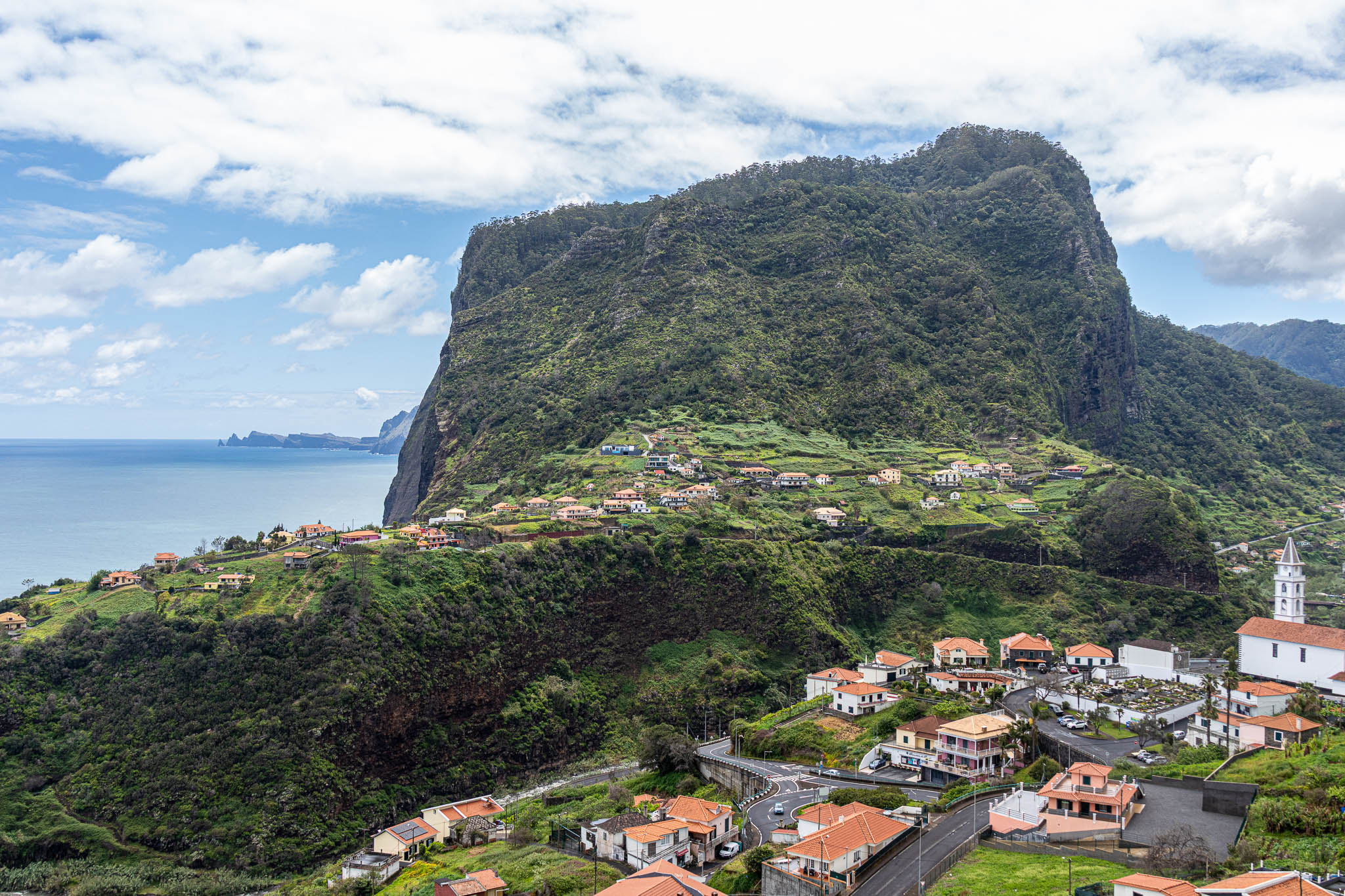
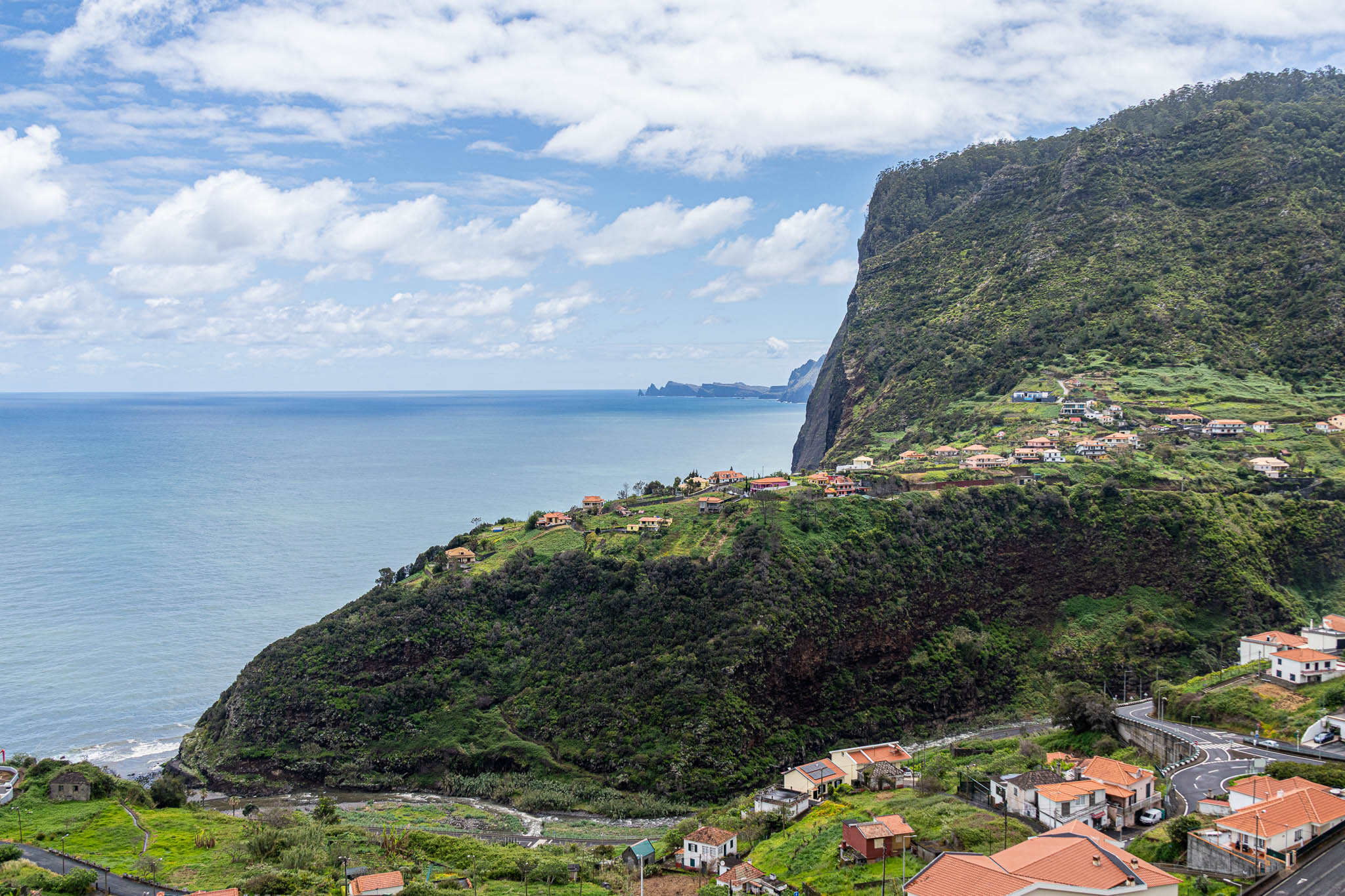
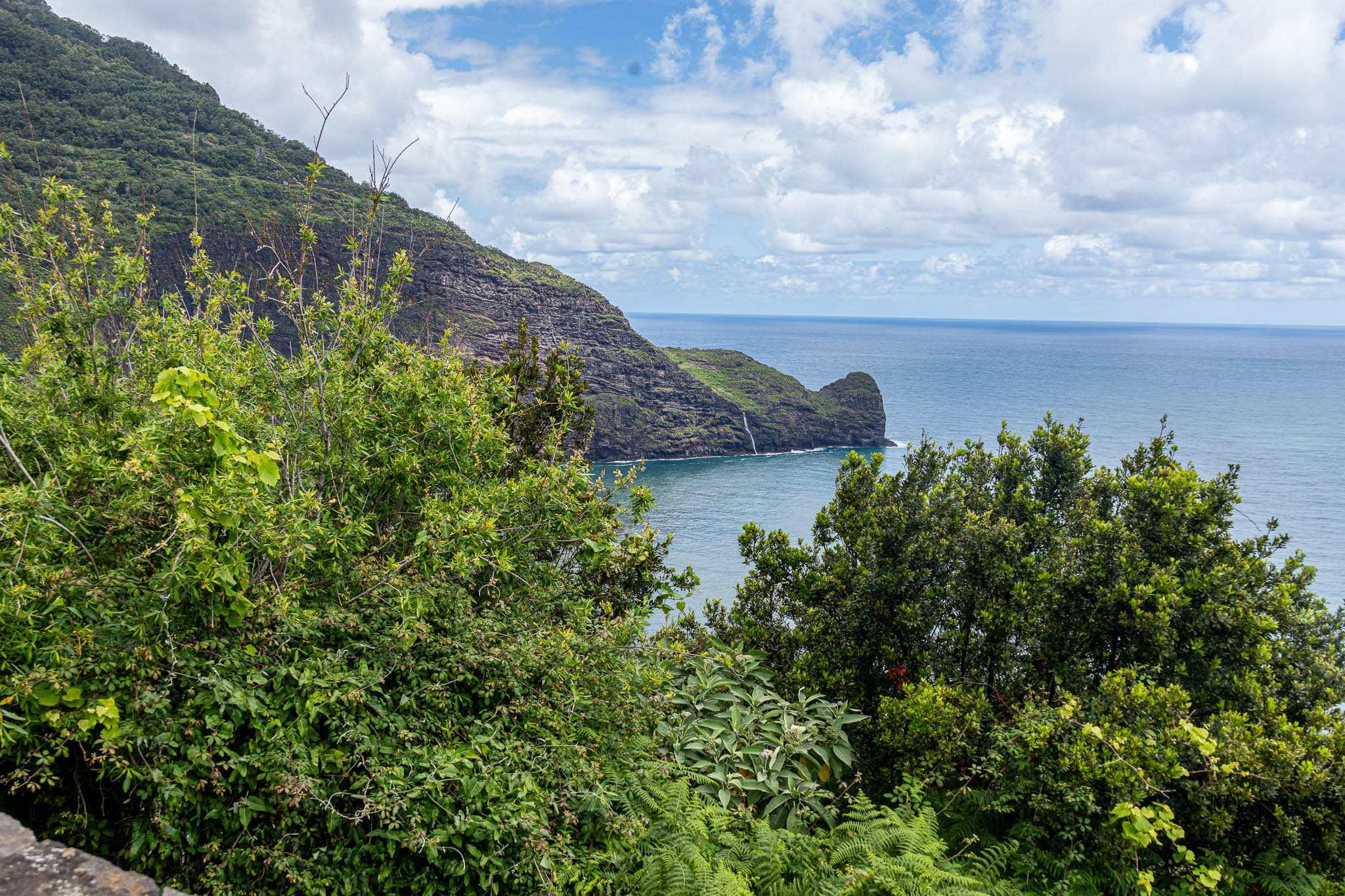
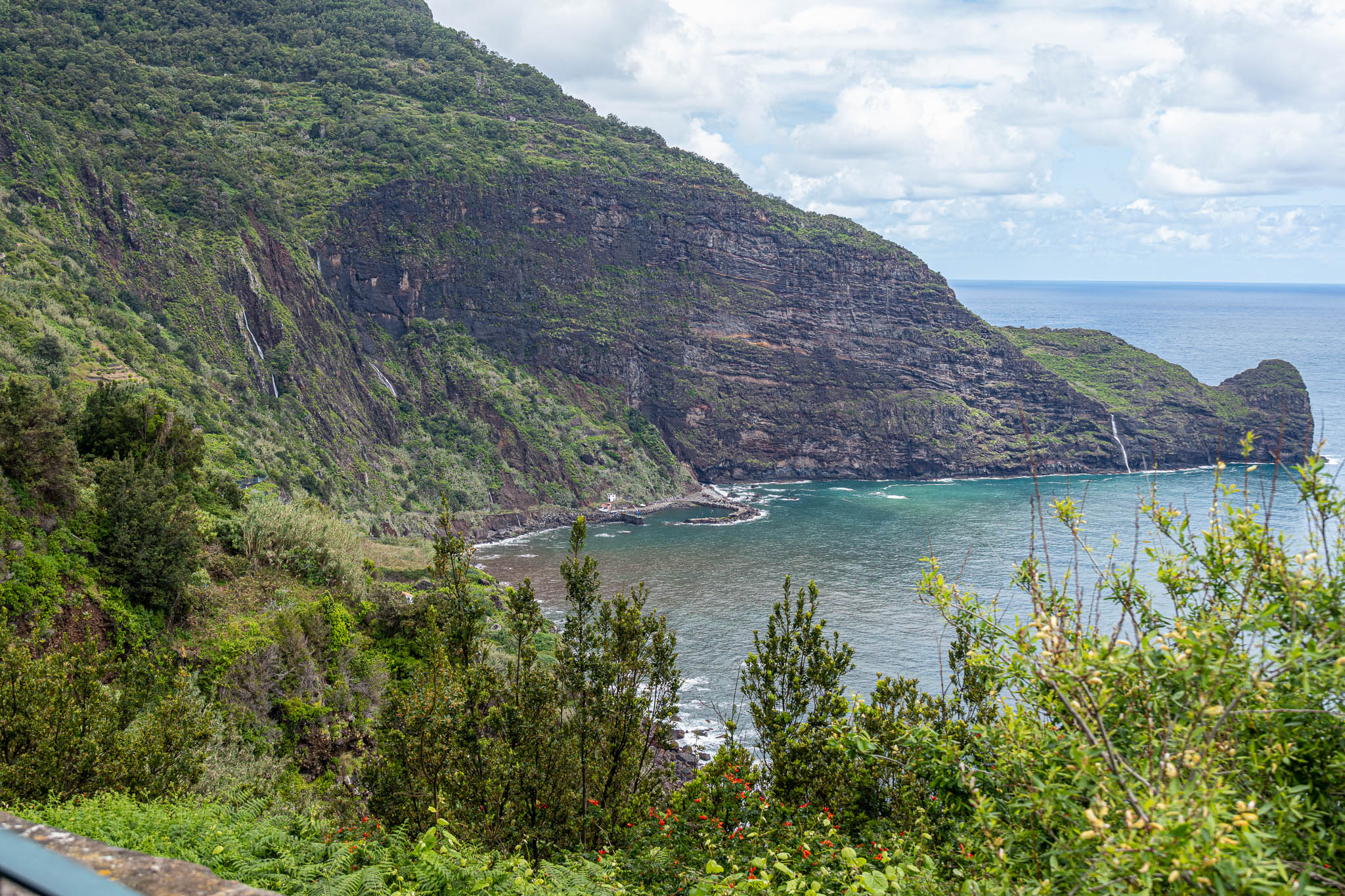
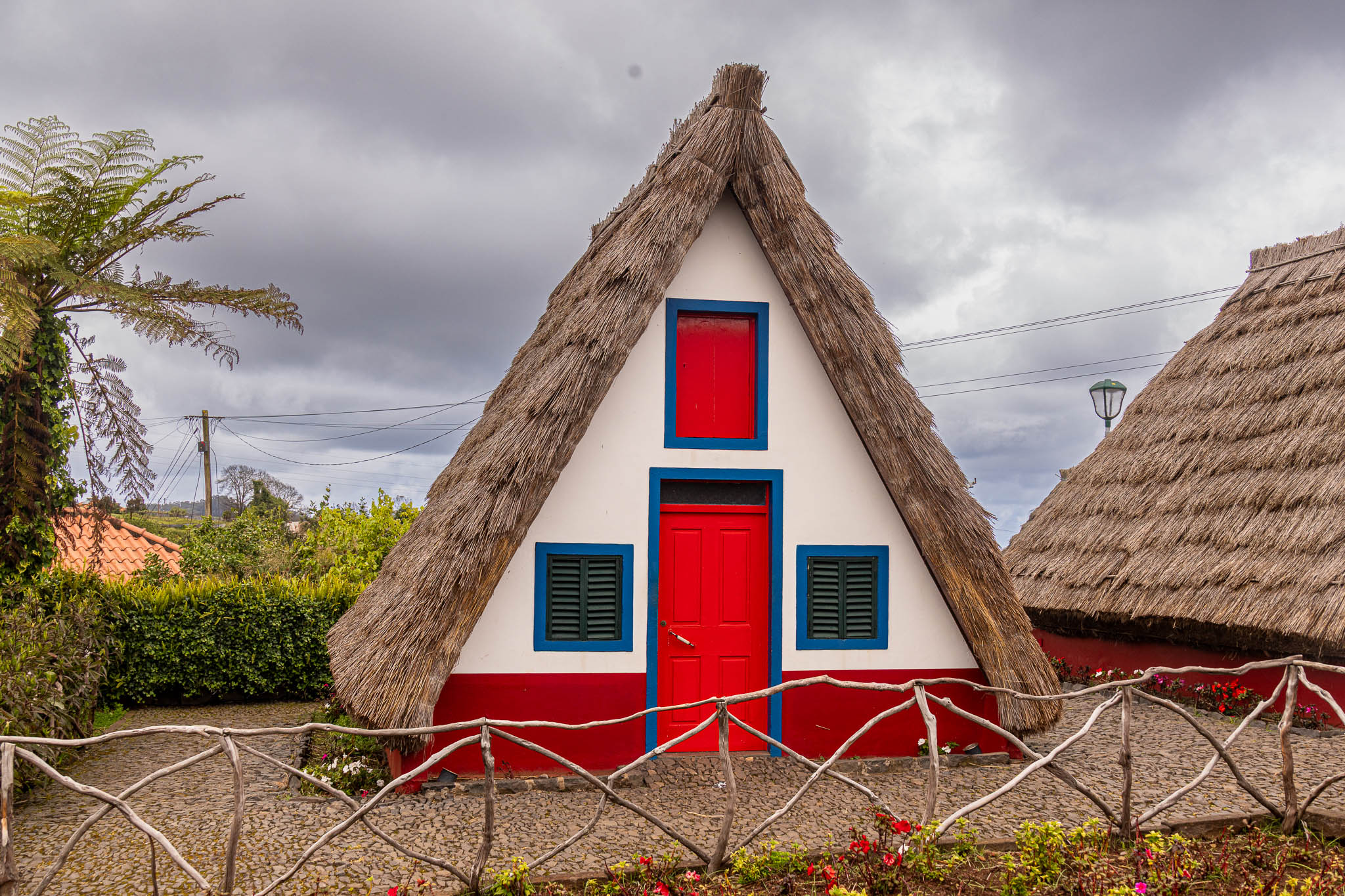
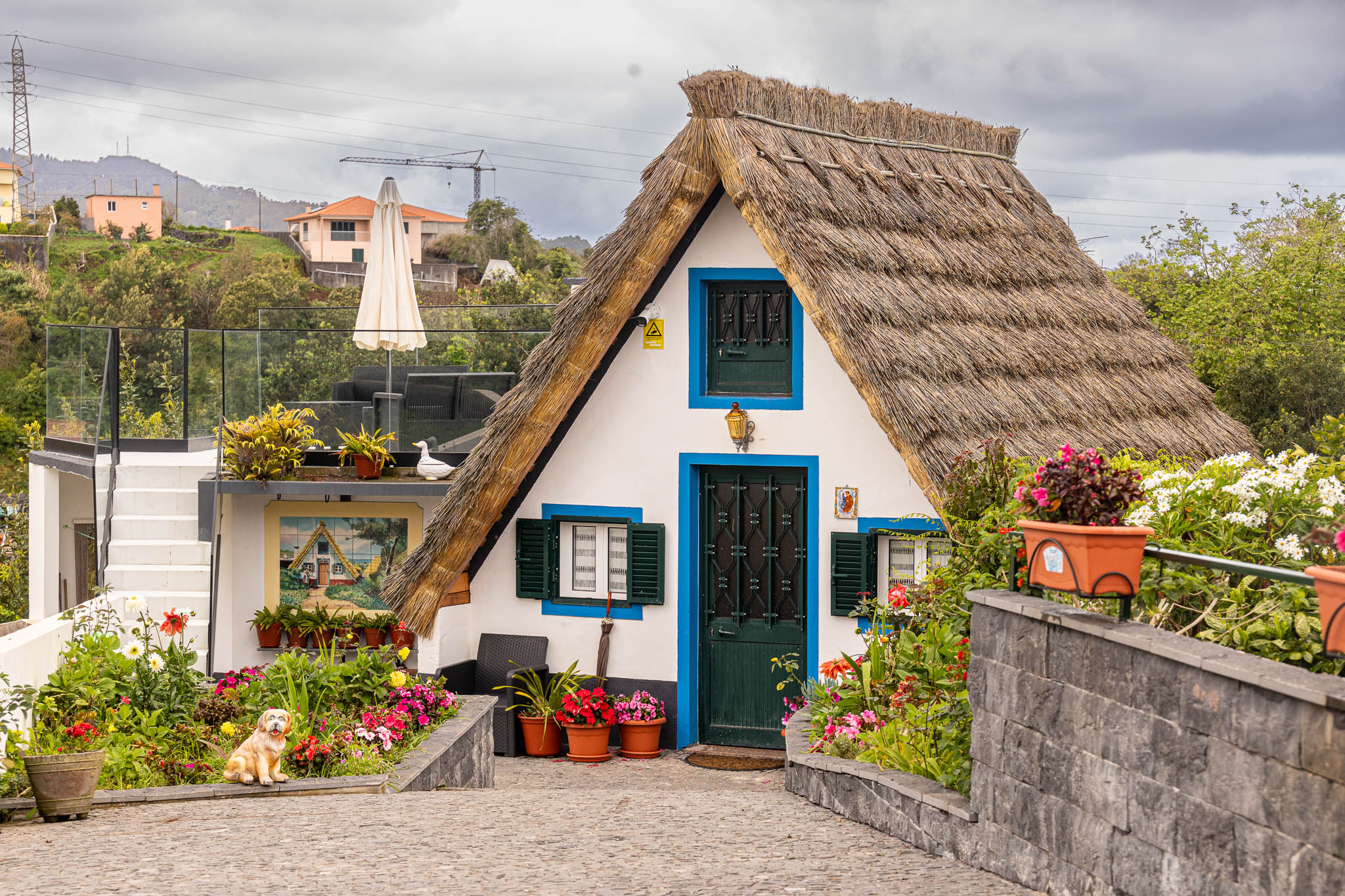
We then headed towards the coast and Faial and Santana in the Northeast. Miraculously the clouds melted away to reveal the rugged northern coast and the beautiful countryside. Santana houses a collection of traditional Madeiran houses.
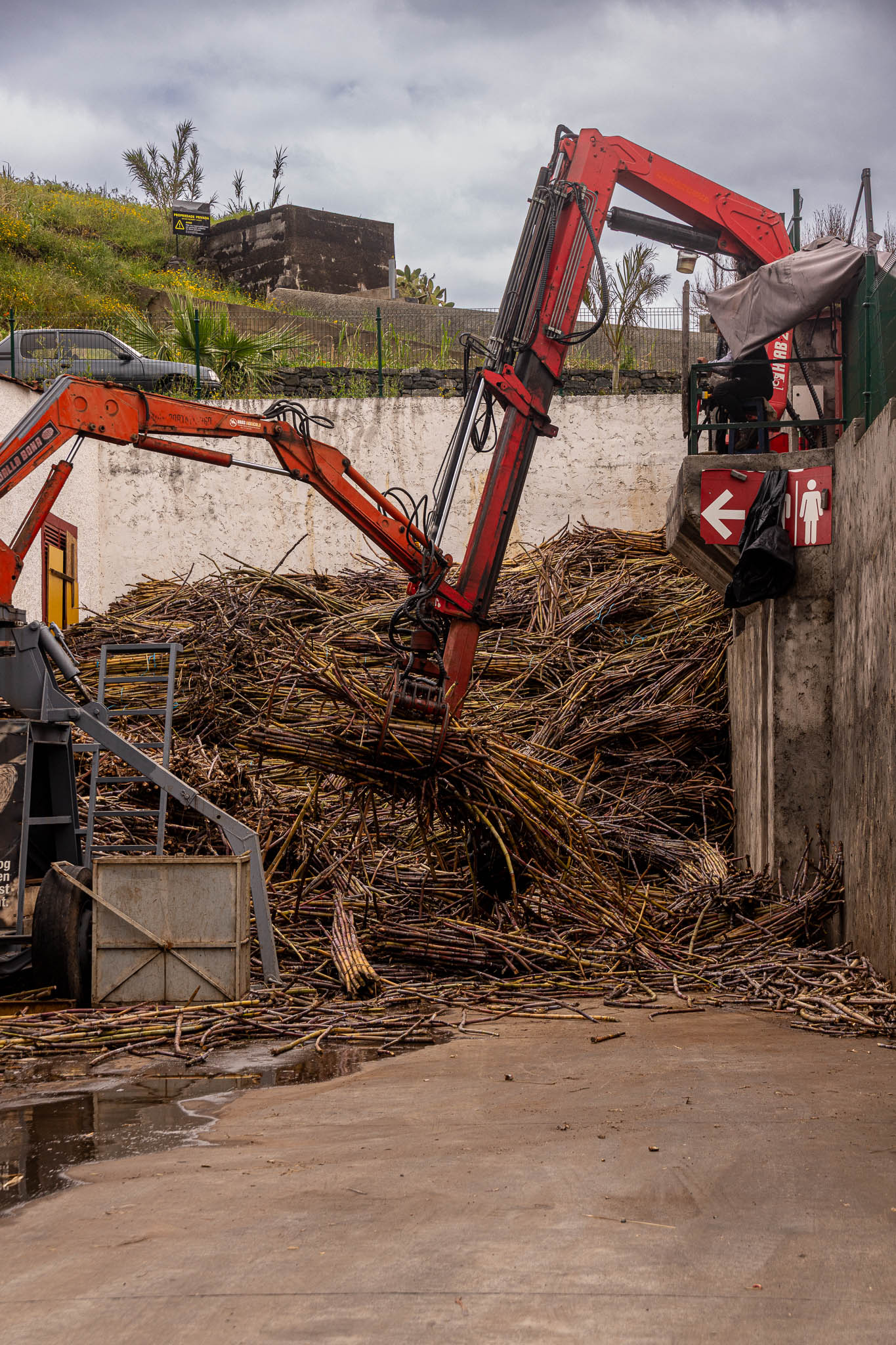
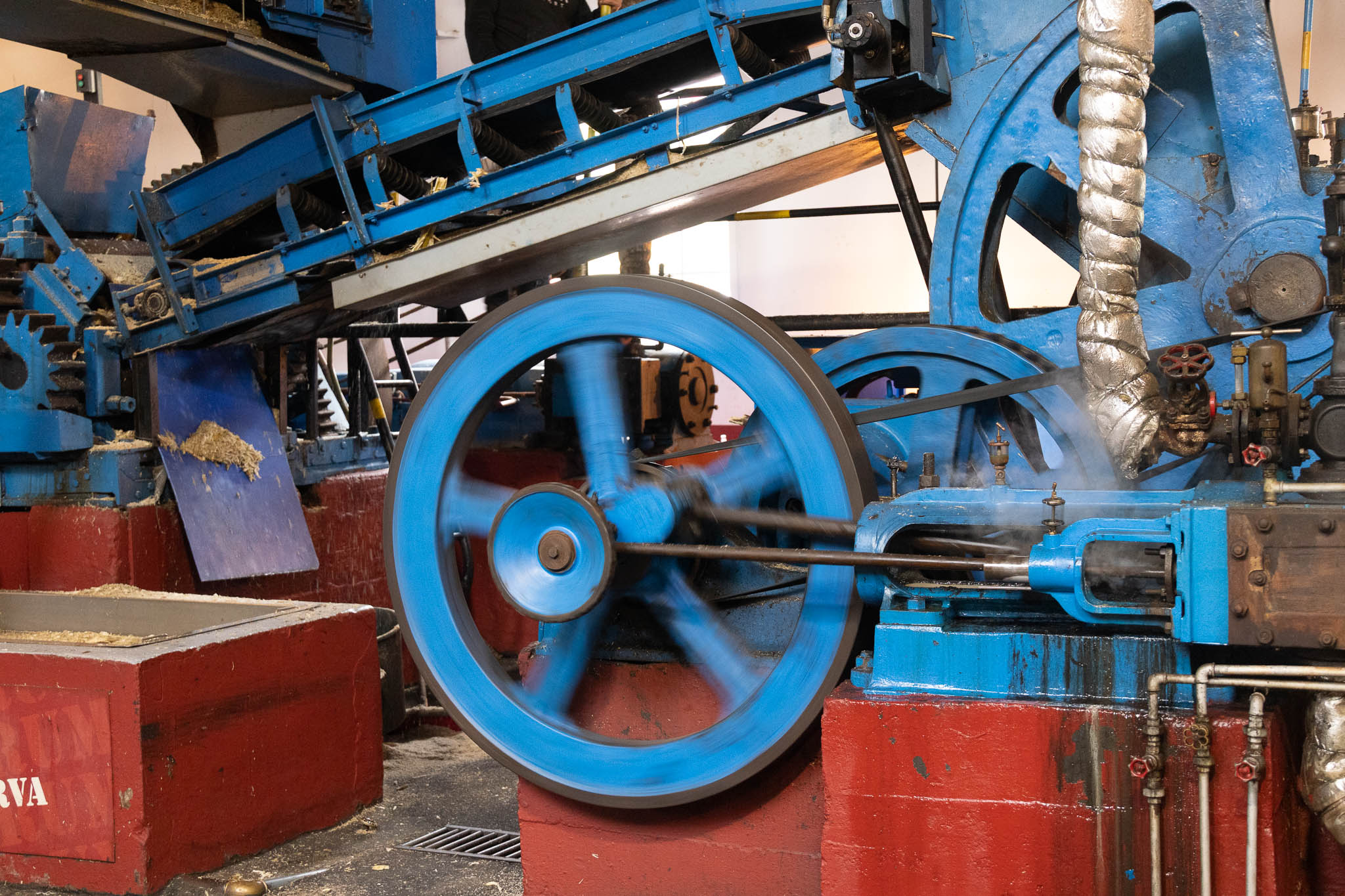
Typical of the tours we have been on there are many stops to admire the landscapes or to visit attractions. The next one was another rum factory in Porta da Cruz. An obligatory tasting – much appreciated. The pictures of the machinery not only told us about the process but will be of interest to our grandson who likes diggers, hooks and grabbers.
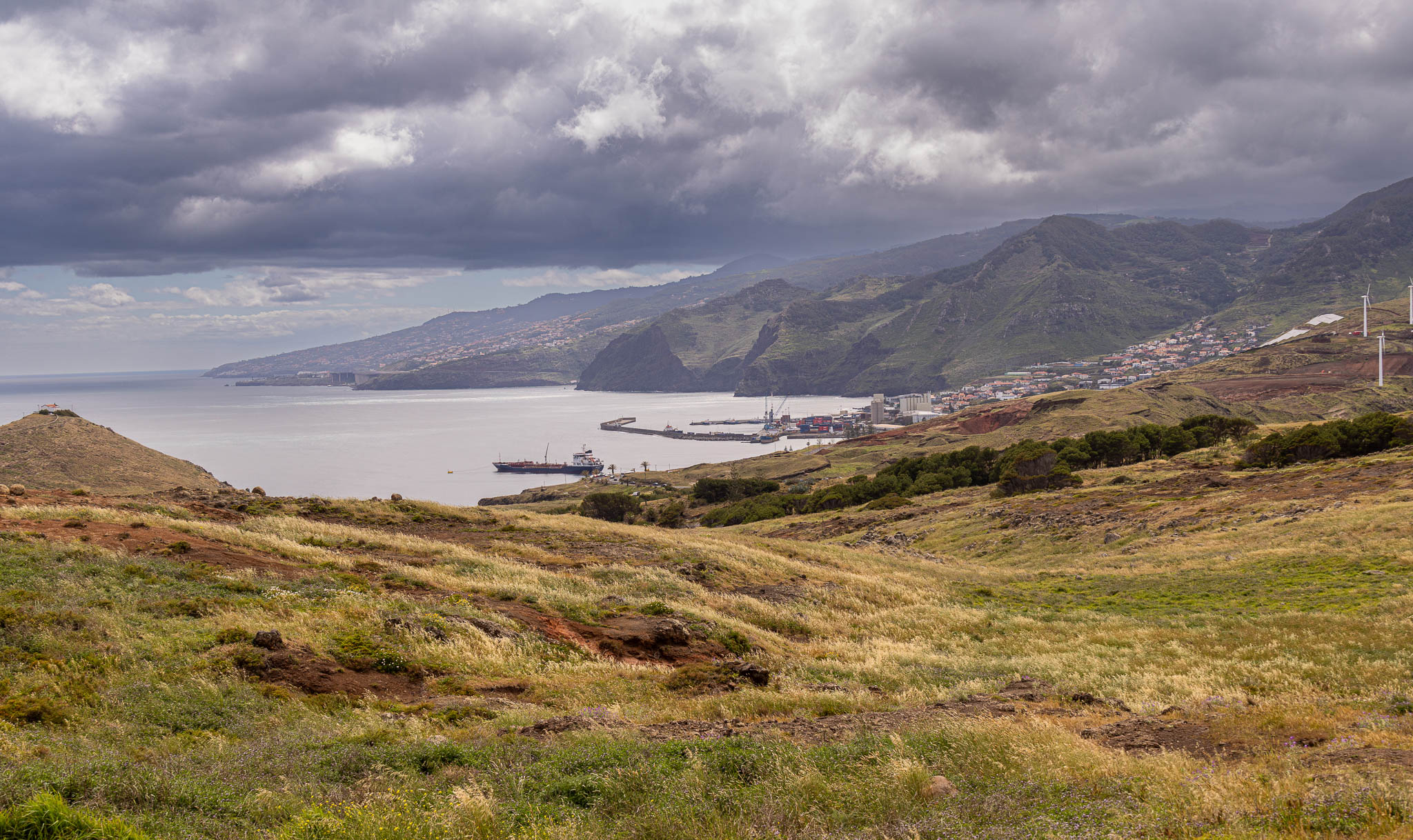
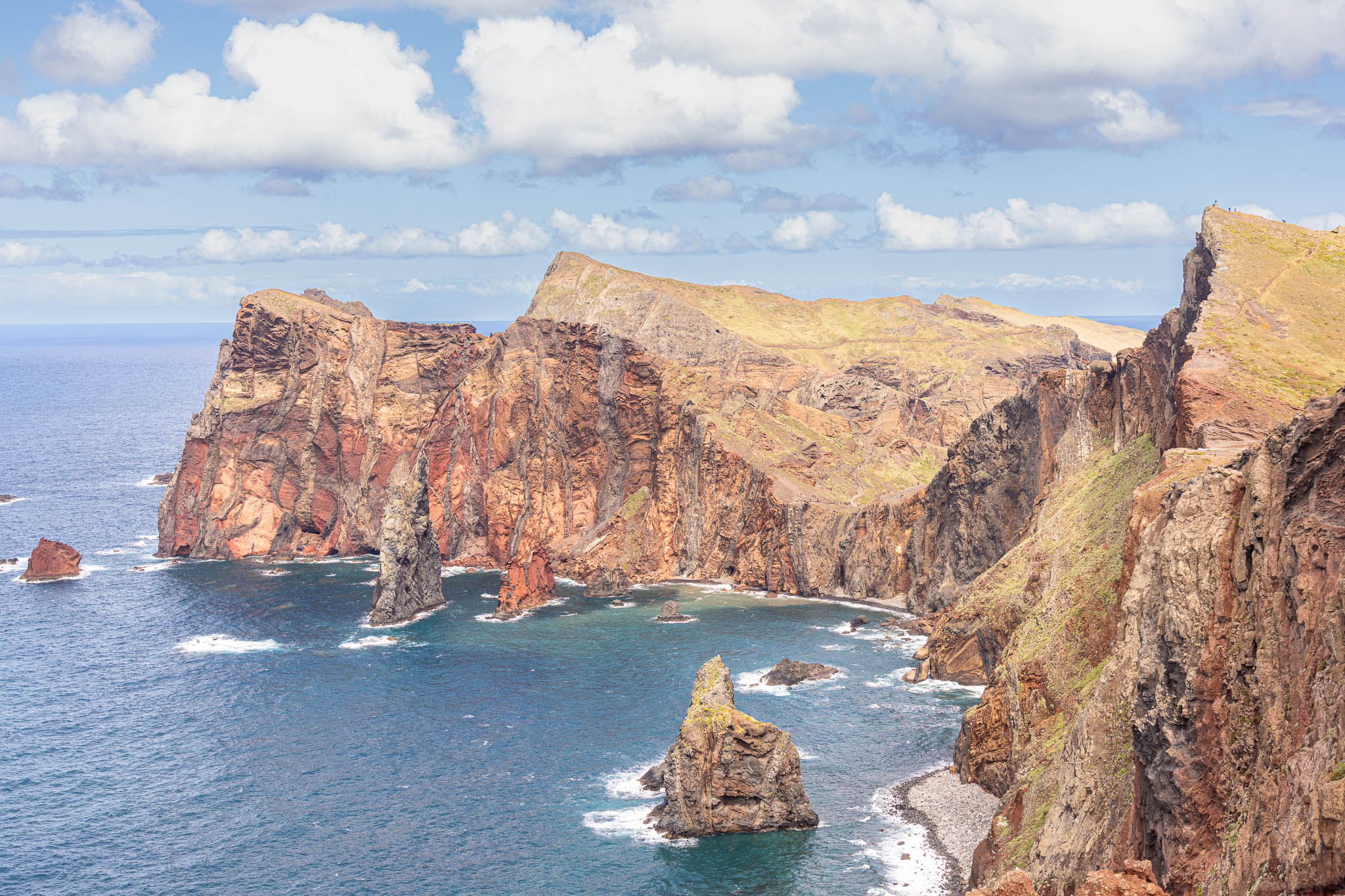
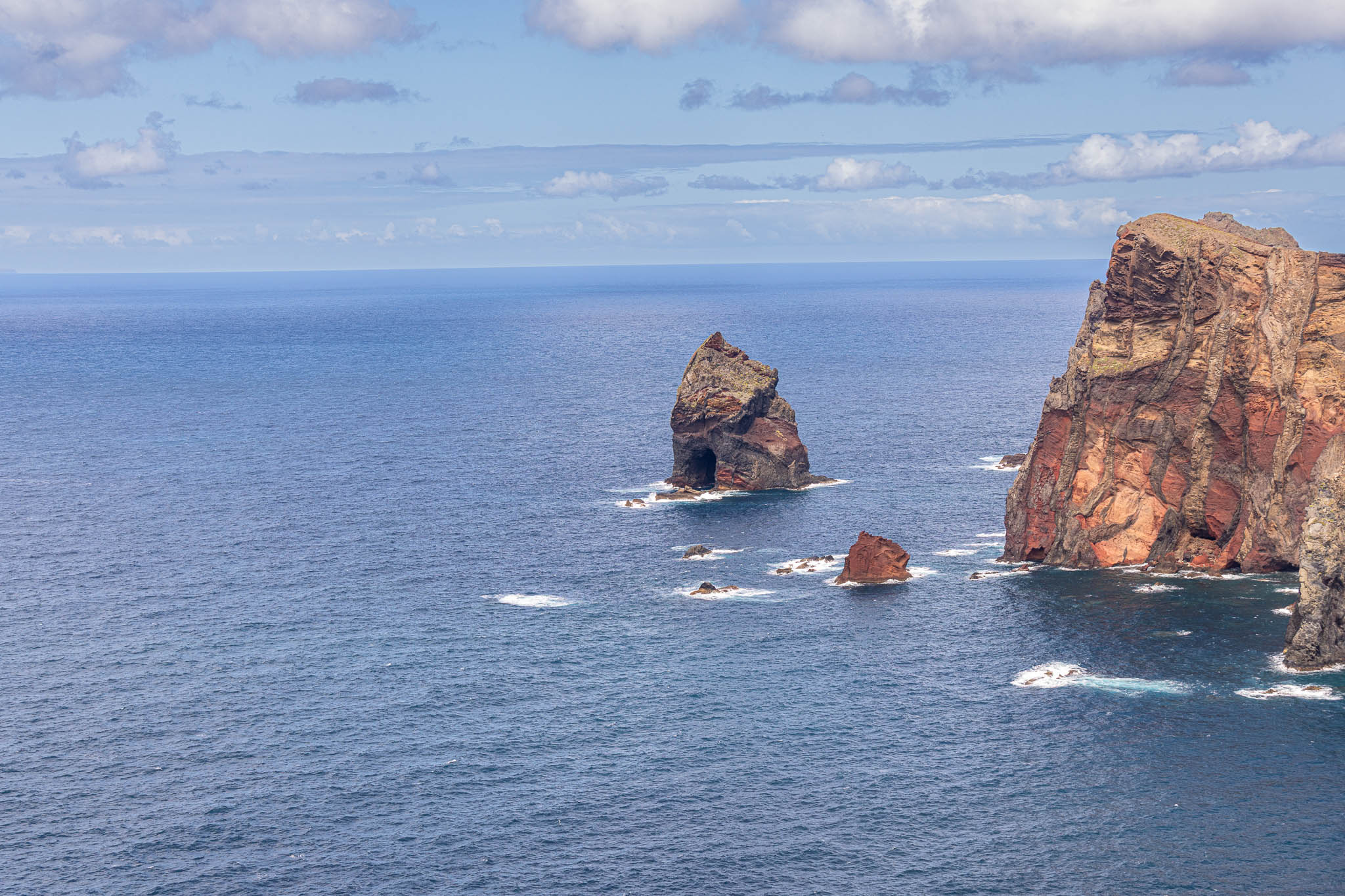
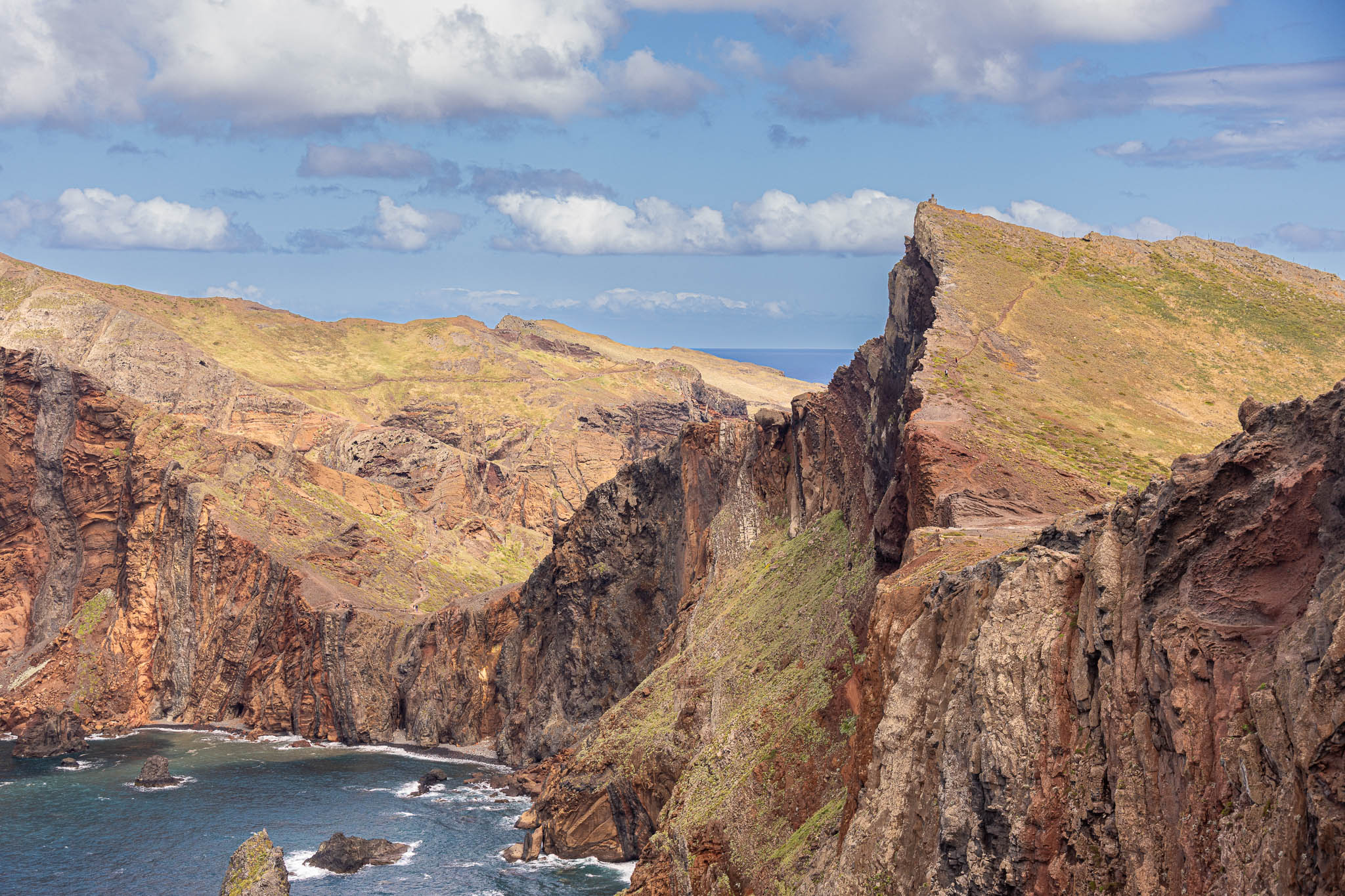
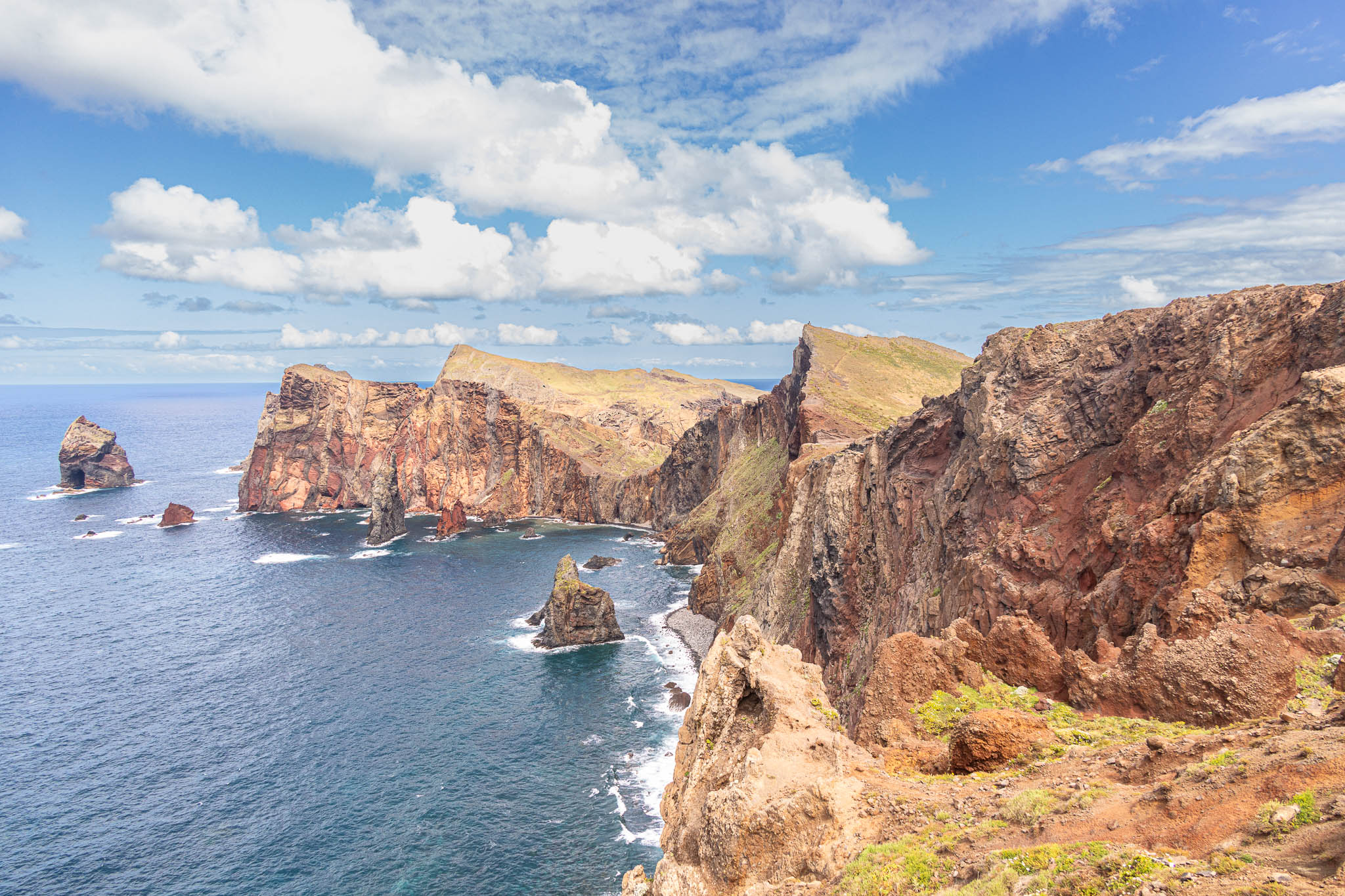
Our final stop of the day was at the far east of the island – a popular view called Ponta do Rosto – beautiful sandstone cliffs set against the clear blue sea.
DAY 6– BOTANICAL GARDENS FUNCHAL, FUNCHAL MARKET AND HOTEL ROOF
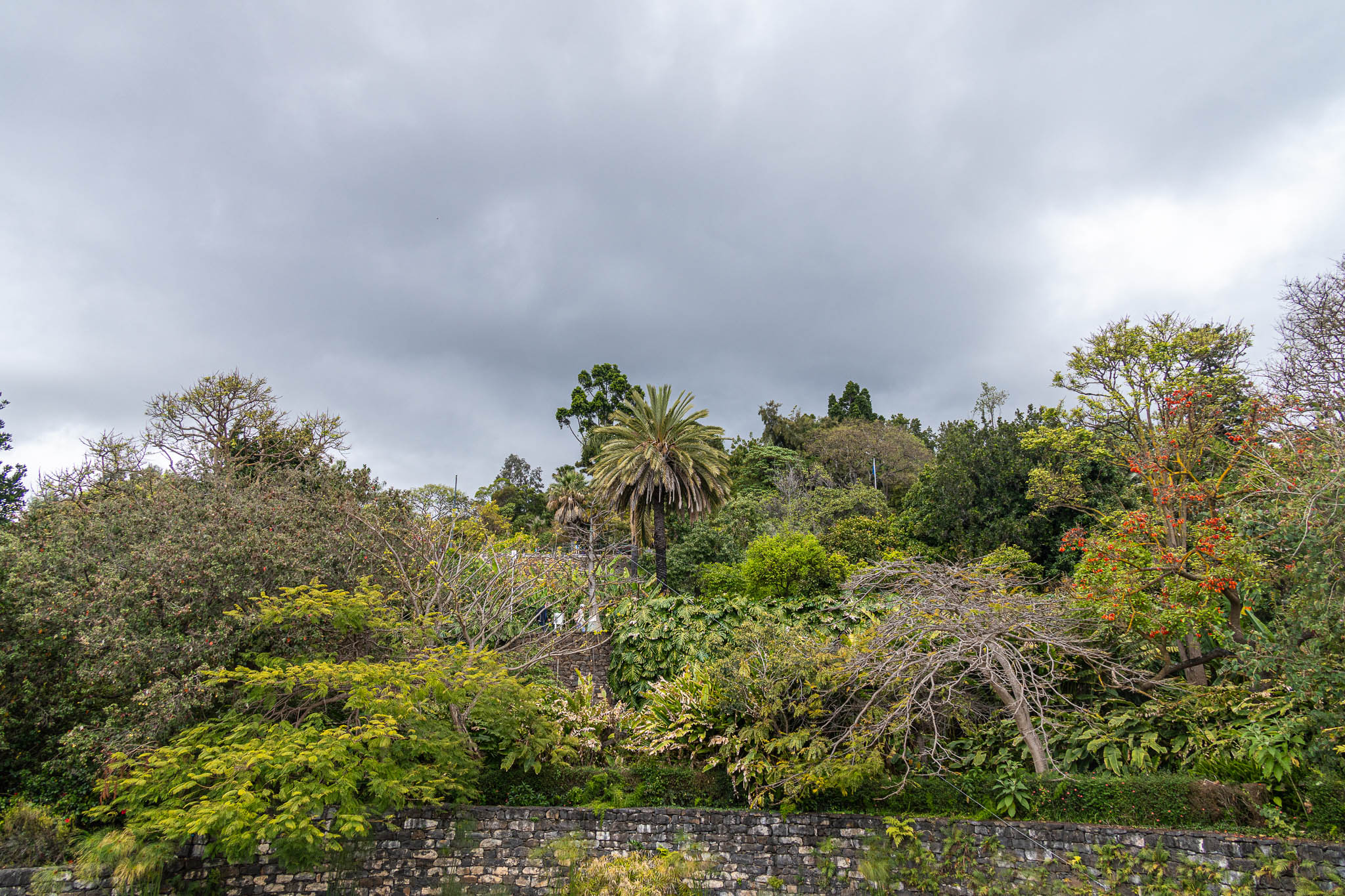
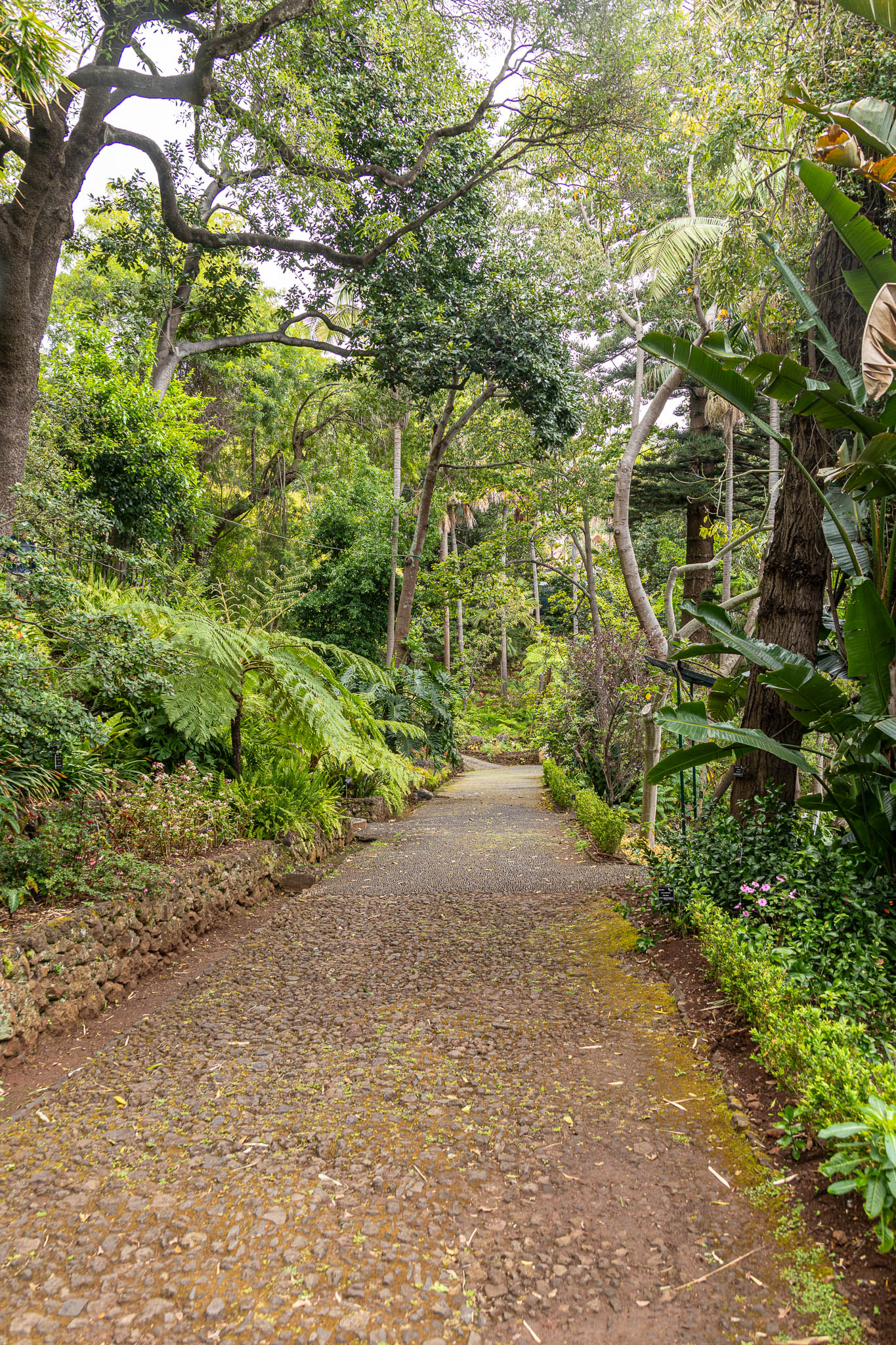
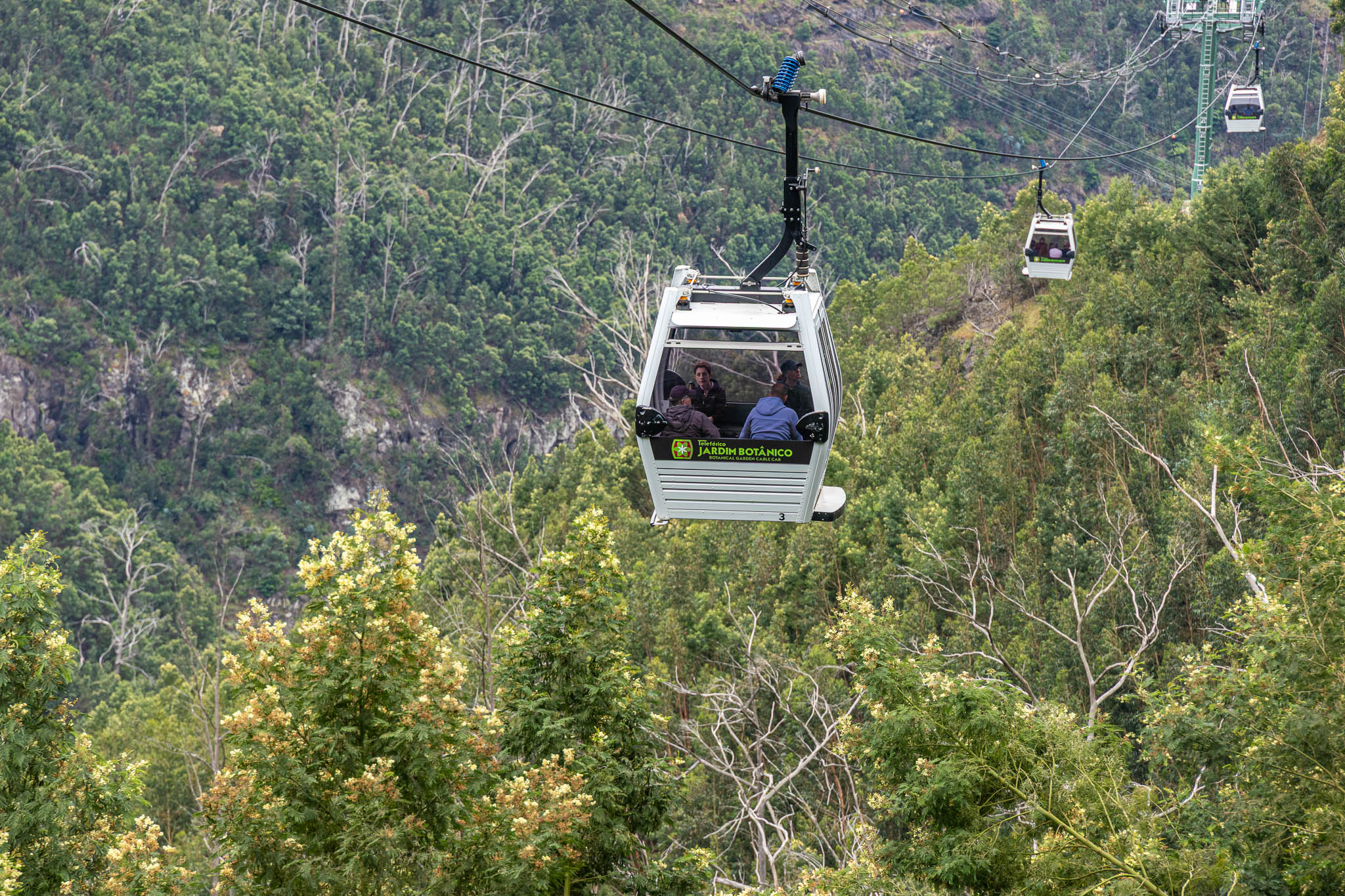
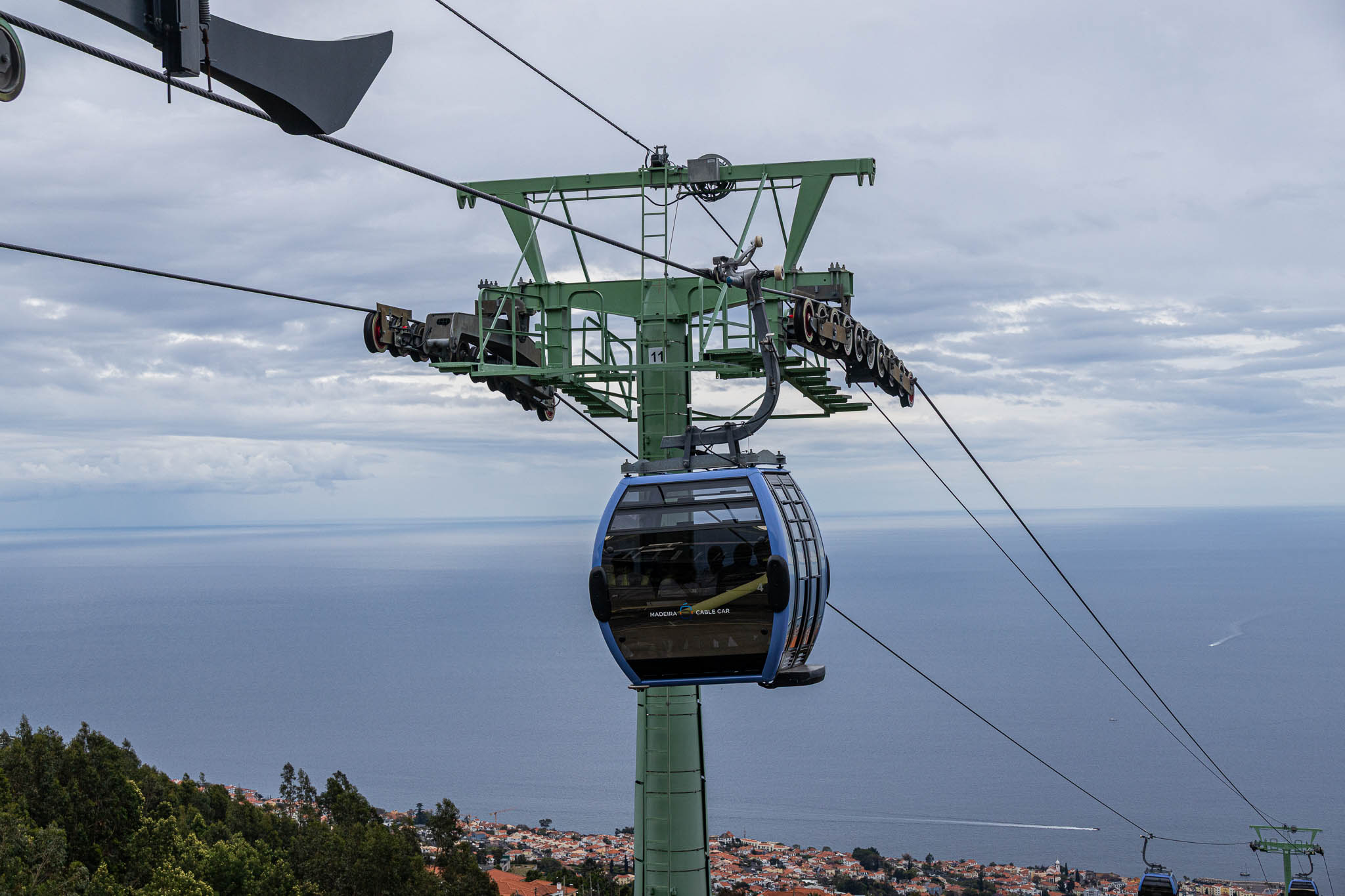
Last full day in Funchal. It was decided to spend the day in the gardens situated in Monte some 2,000 feet above Funchal. The easiest way to access them is by cable car (some with a glass floor) if that appeals to you!! Neither of us took up that option.
There are a couple of strange things about the gardens. There are not one but two gardens – the Botanical and the Tropical Gardens. The Tropical Gardens are directly alongside the cable car. The Botanical Gardens are accessed by a further cable car further down towards Funchal.
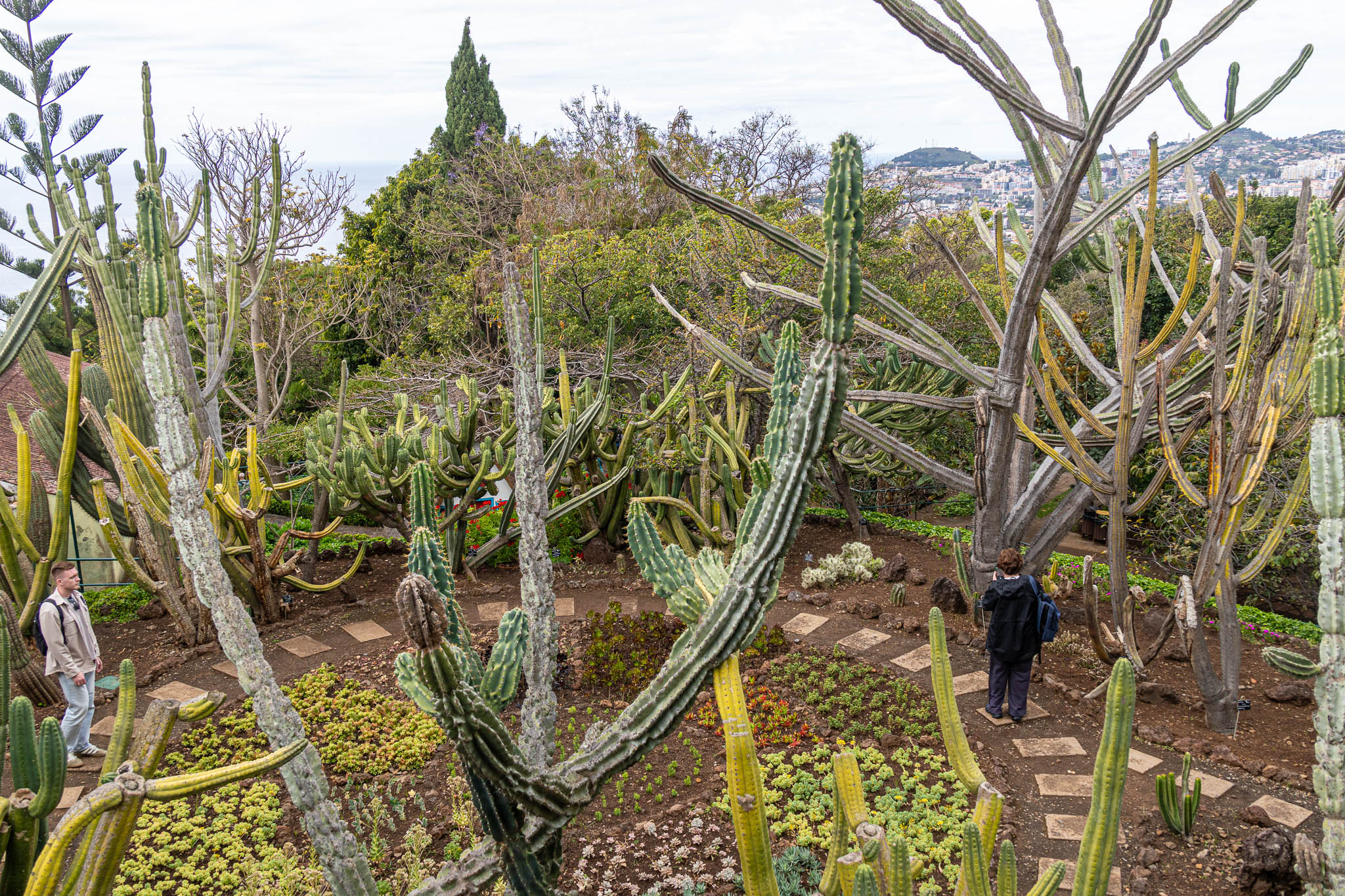
We had a debate between ourselves as to whether we had visited both gardens before. We decided that we had but it was difficult to work out the differences as both of them are laid out in a very similar manner and both equally beautiful.
Whilst writing this blog I have had a closer look at the photos from previous visits and on the 2014 visit I find folders for both gardens. So answer – Yes
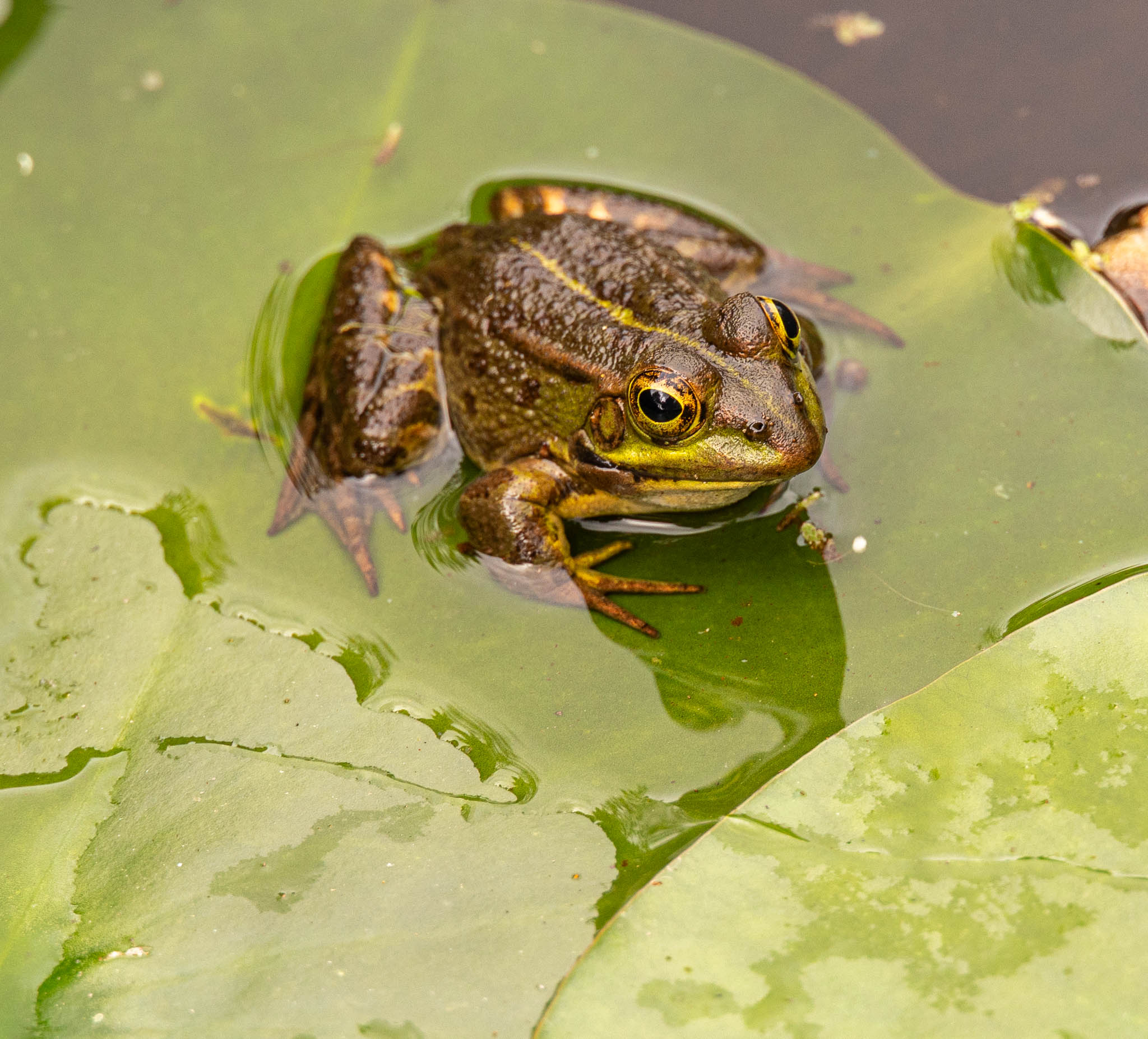
The gardens are full of bird song but with the lush vegetation they are difficult to spot. On our last visit we heard some particularly loud sounds which we assumed to be birds. We turned the corner and there were several loud frogs. Fast forward to this year – bingo same noise!!
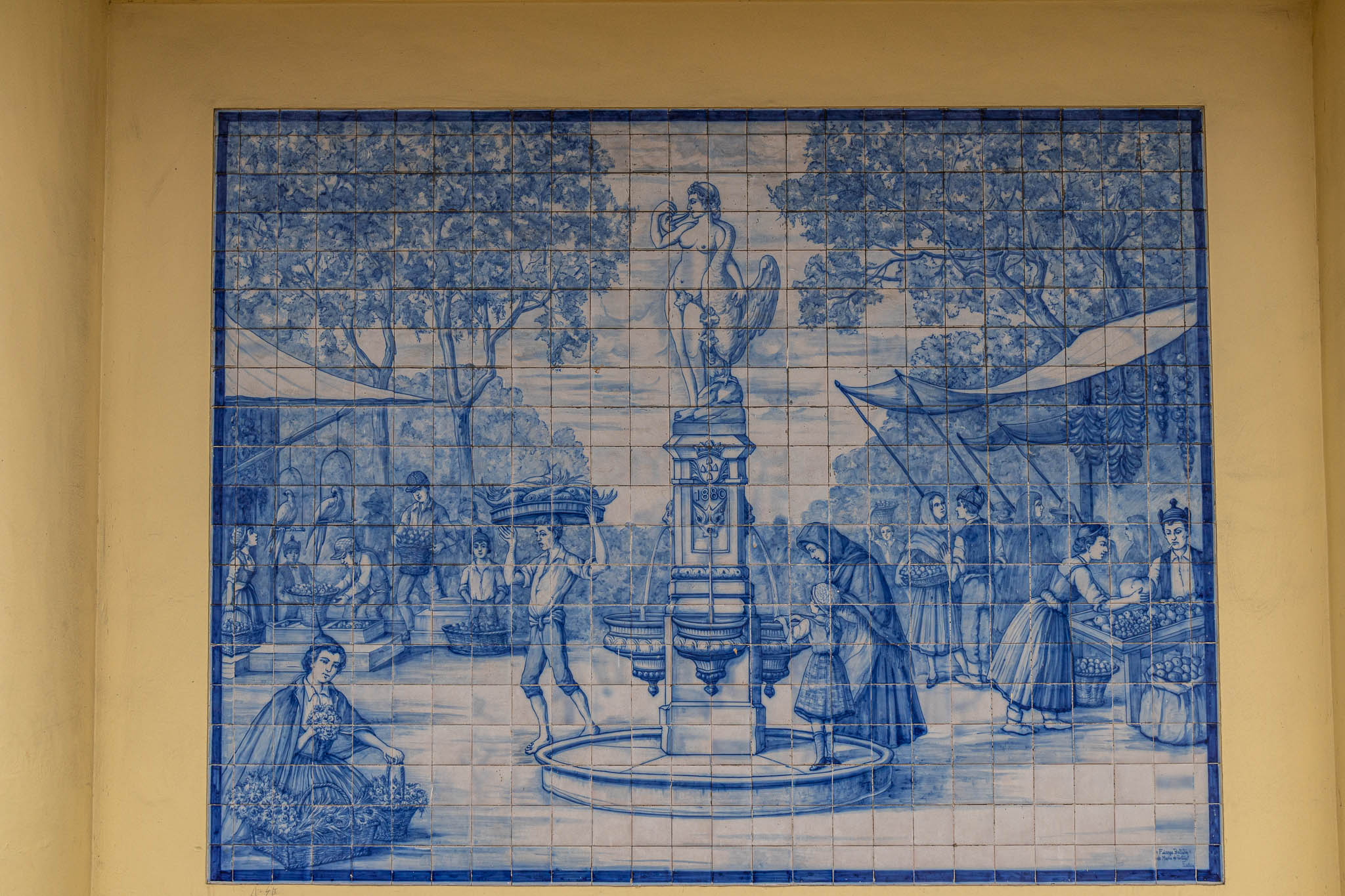
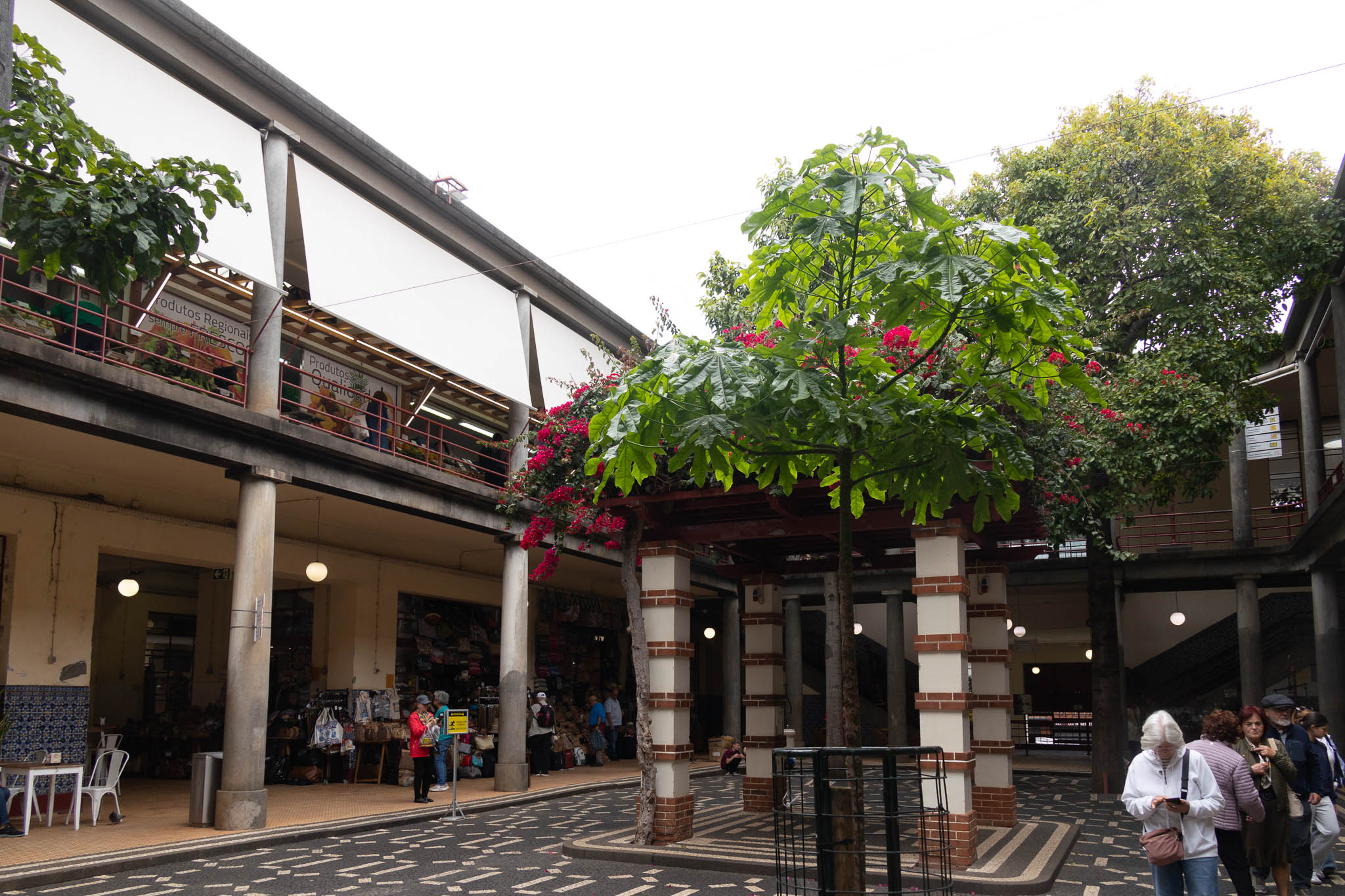
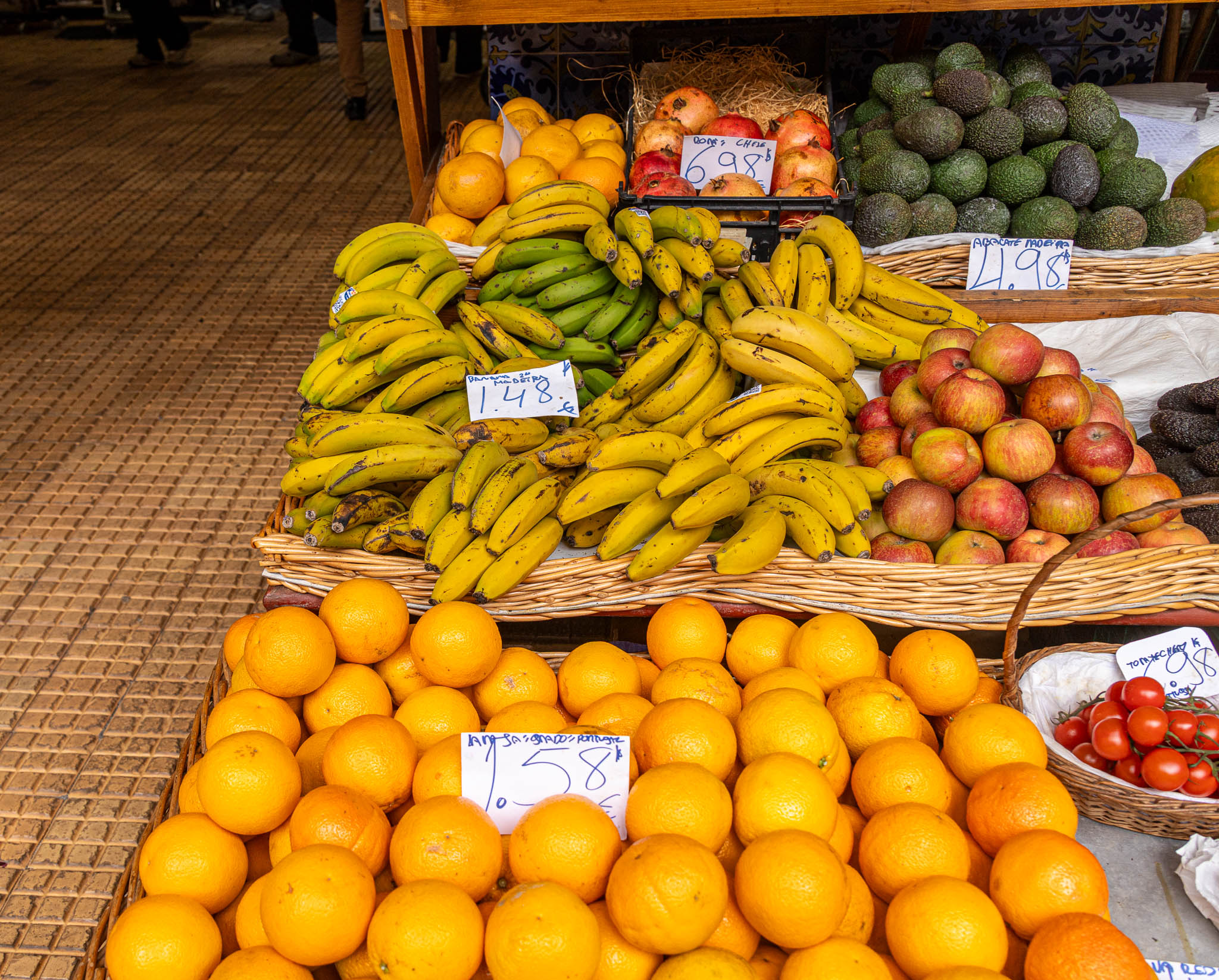
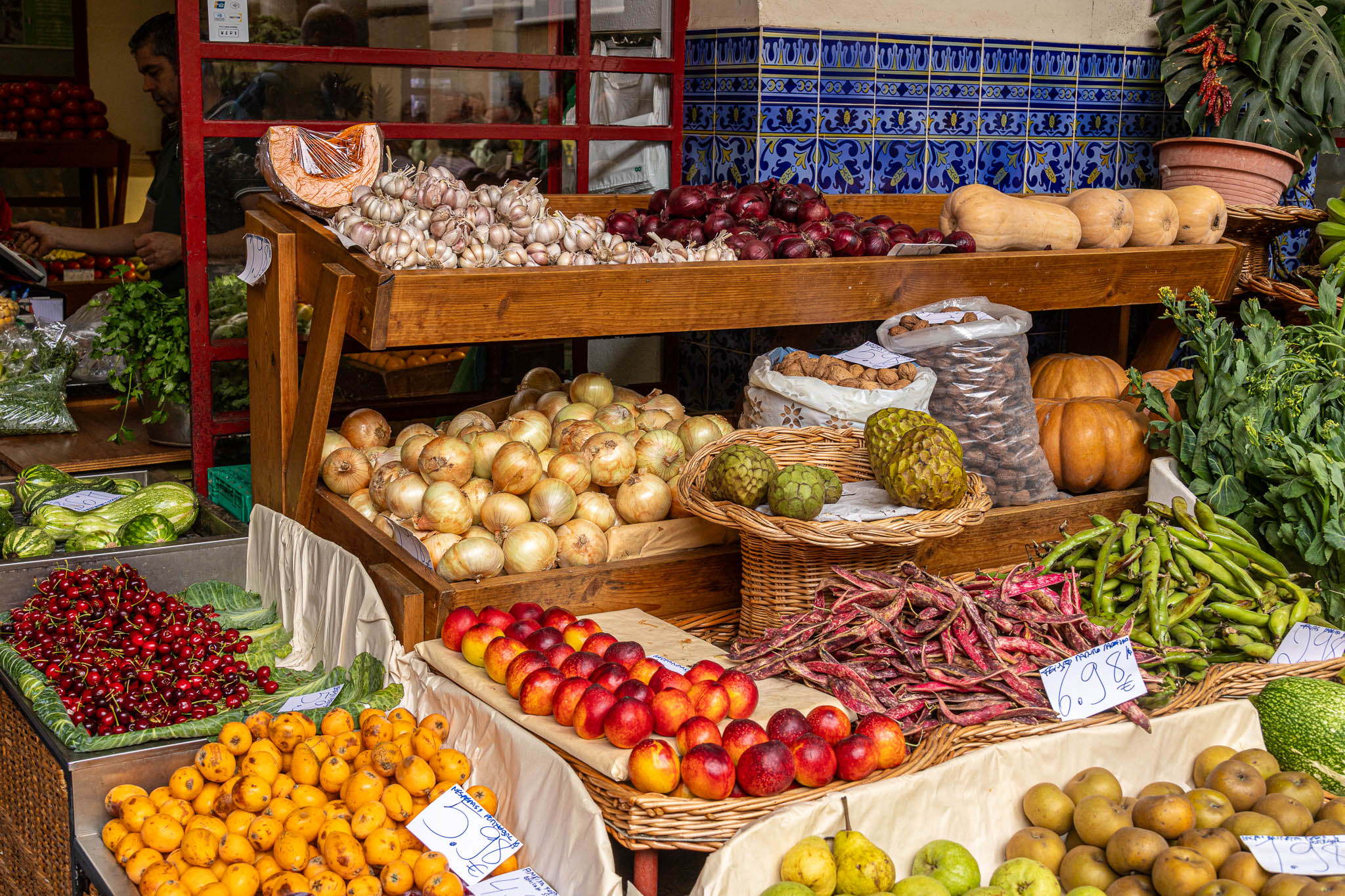
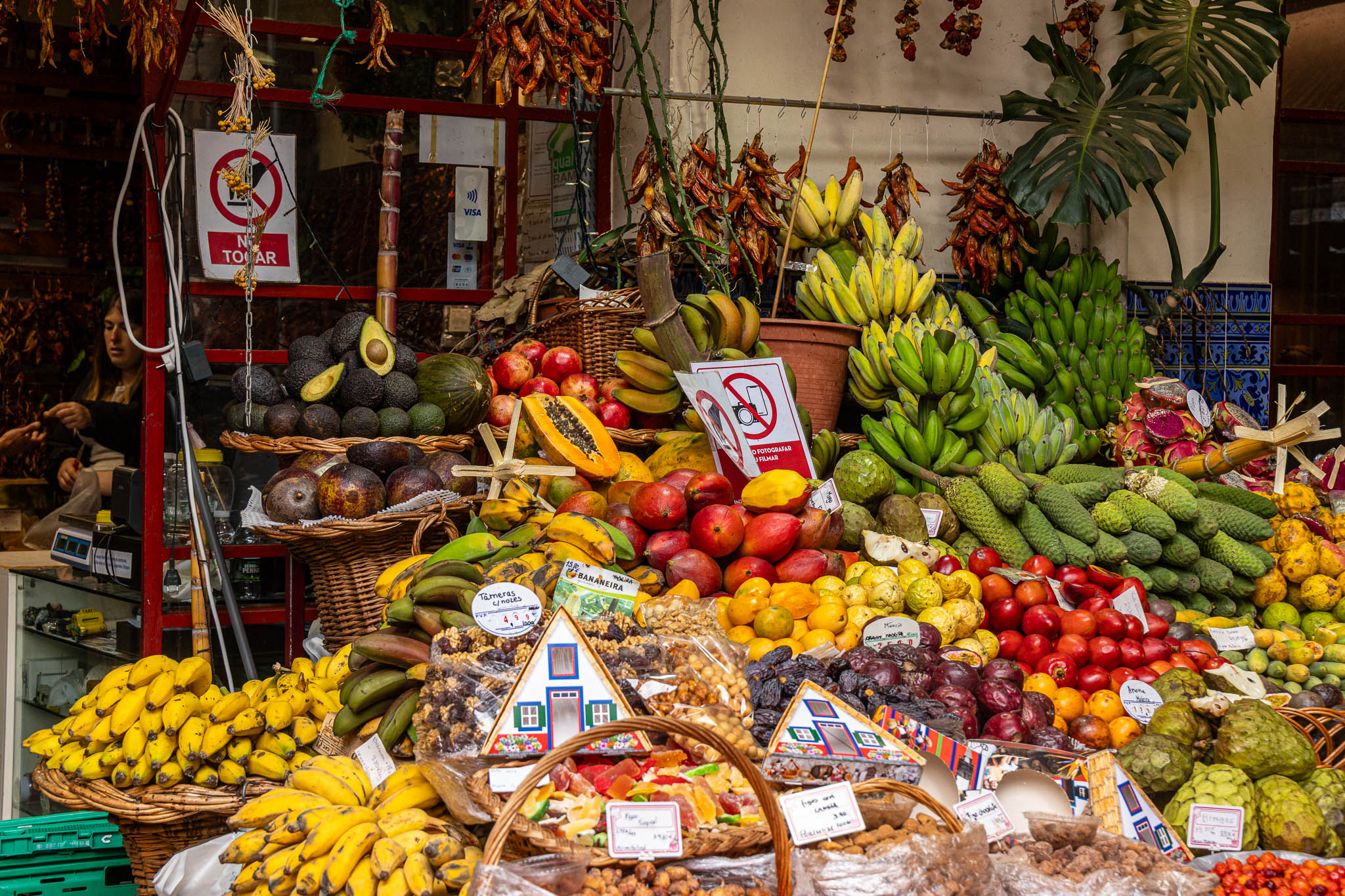
Funchal has a tremendous indoor market selling all manner of merchandise including fish and meat although it was a little late in the day. Women in traditional Madeiran costume sell fabric and lace. The flower section was full of exotic plants. The greengrocery section was the on that fascinated me most- everything set out with meticulous care.
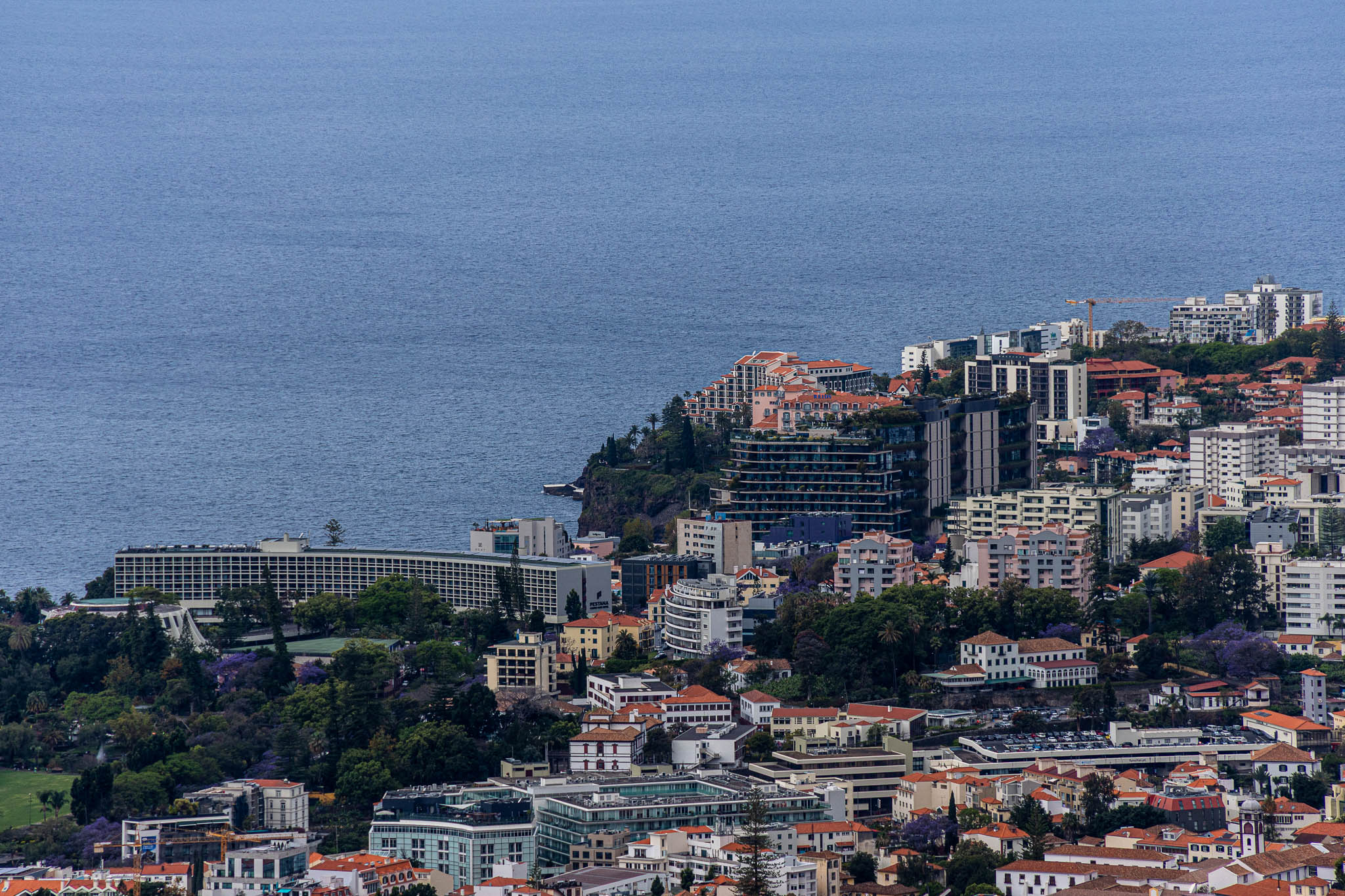
At the end of the day when we returned to the hotel, I noticed that the lift led to a rooftop veranda. This gave an elevated all round view of Funchal – the hills, the harbour and beyond, Reids Hotel where we enjoyed afternoon tea and a small park to the rear of the hotel.